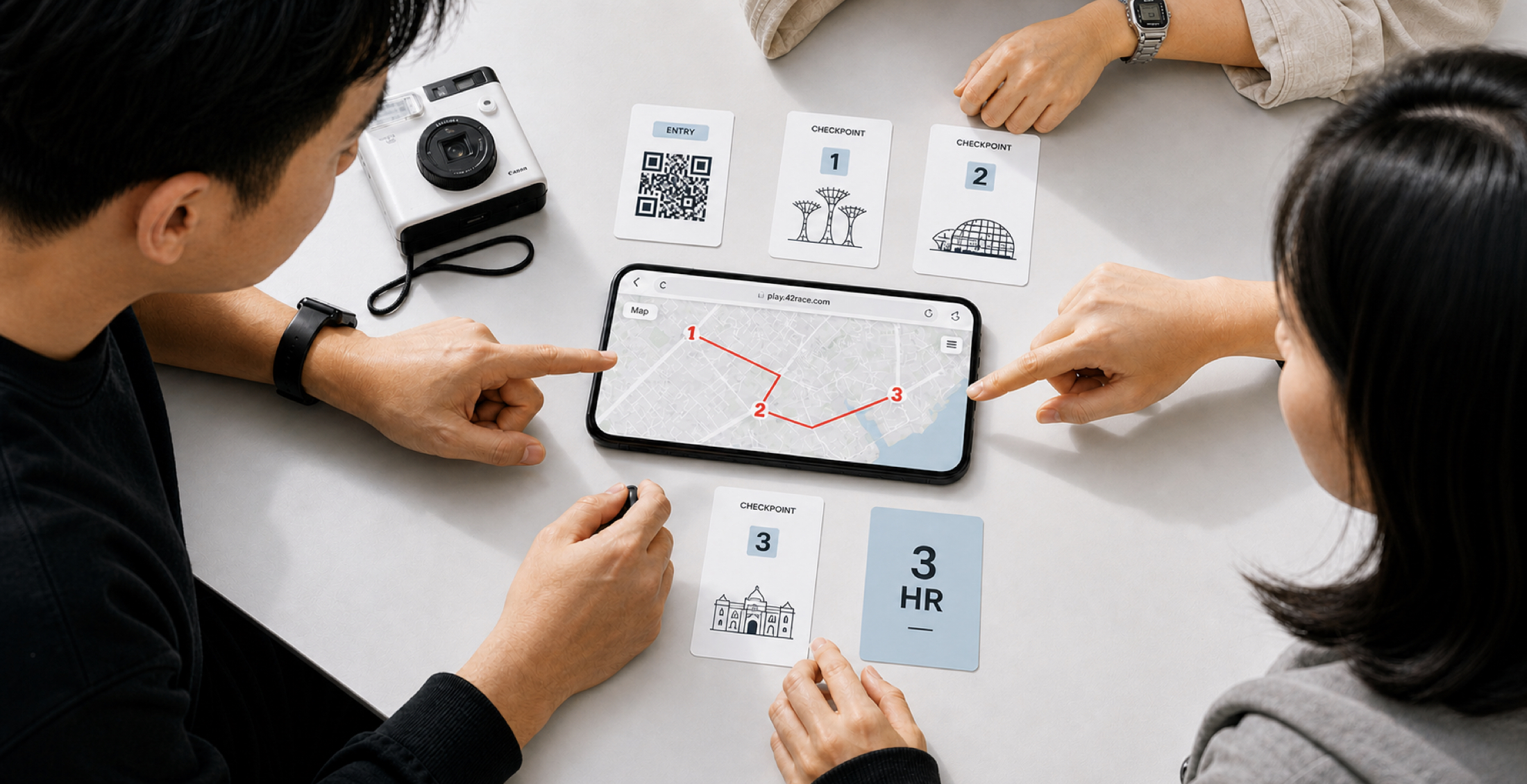
You need an active, team-focused event that fits your programme, meets a clear objective and doesn’t create logistical chaos. This guide helps you choose the right format, design checkpoints that test teamwork (not risk-taking), and run the day without confusing volunteers or excluding colleagues.
Pick the single result you will judge the event by — for example, improved cross-team communication, rapid onboarding of new hires, or a fun reward for staff. Every decision about format, tasks and scoring should be measured against that outcome. When the objective is clear, you avoid adding tasks that look impressive but don’t teach the skill you care about.
City route: high energy and memorable, but needs stronger crowd management, permissions and contingency plans for weather or crowds. Campus loop or large venue: easier to control and simpler for people with mixed mobility. Indoor circuit: best when you need tight timing and predictable footing.
Choose a format that matches your operational capacity. If you have limited marshal support and tight safety oversight, prefer a contained venue or indoor circuit. If you want spectacle and have the staffing and permits, a route through public space can work — plan for slower teams and route bottlenecks.
Form teams so every member has a chance to contribute. Small teams encourage full participation and quicker decision-making; larger teams allow role specialisation but can hide quieter contributors. Define optional roles (navigator, timekeeper, communicator) and brief teams on how those roles support your objective.
Design checkpoints that can be completed without asking strangers for help or entering private property unless permissions are secured. Examples:
Avoid tasks that require teams to collect items from businesses or interrupt members of the public unless you have explicit permissions and a plan for consent and safety.
Offer lower-movement or relay options so colleagues with limited mobility can participate meaningfully. Provide clear pre-event information about terrain and footwear. Make participation voluntary and provide a desk-based parallel track that tests the same skills with puzzles and decision-making tasks.
Decide measurement before the event: participant feedback, observed collaboration behaviours and task completion patterns are useful. Run a structured debrief shortly after the race where teams reflect on what worked, what didn’t, and how behaviours map to workplace goals.
Write a one-page brief with your date window, expected headcount and primary objective. That brief makes it simple to cost, staff and choose a format. When you’re ready, 42Race can help turn the brief into a practical route plan, checkpoint kit and run-sheet for delivery.
You need an active, team-focused event that fits your programme, meets a clear objective and doesn’t create logistical chaos. This guide helps you choose the right format, design checkpoints that test teamwork (not risk-taking), and run the day without confusing volunteers or excluding colleagues.
Pick the single result you will judge the event by — for example, improved cross-team communication, rapid onboarding of new hires, or a fun reward for staff. Every decision about format, tasks and scoring should be measured against that outcome. When the objective is clear, you avoid adding tasks that look impressive but don’t teach the skill you care about.
City route: high energy and memorable, but needs stronger crowd management, permissions and contingency plans for weather or crowds. Campus loop or large venue: easier to control and simpler for people with mixed mobility. Indoor circuit: best when you need tight timing and predictable footing.
Choose a format that matches your operational capacity. If you have limited marshal support and tight safety oversight, prefer a contained venue or indoor circuit. If you want spectacle and have the staffing and permits, a route through public space can work — plan for slower teams and route bottlenecks.
Form teams so every member has a chance to contribute. Small teams encourage full participation and quicker decision-making; larger teams allow role specialisation but can hide quieter contributors. Define optional roles (navigator, timekeeper, communicator) and brief teams on how those roles support your objective.
Design checkpoints that can be completed without asking strangers for help or entering private property unless permissions are secured. Examples:
Avoid tasks that require teams to collect items from businesses or interrupt members of the public unless you have explicit permissions and a plan for consent and safety.
Offer lower-movement or relay options so colleagues with limited mobility can participate meaningfully. Provide clear pre-event information about terrain and footwear. Make participation voluntary and provide a desk-based parallel track that tests the same skills with puzzles and decision-making tasks.
Decide measurement before the event: participant feedback, observed collaboration behaviours and task completion patterns are useful. Run a structured debrief shortly after the race where teams reflect on what worked, what didn’t, and how behaviours map to workplace goals.
Choose a length that fits your programme and staffing. Shorter events keep energy high and simplify logistics; longer routes allow more varied checkpoints but need stronger marshal coverage and contingency planning.
Offer alternative legs or desk-based tasks that test the same skills, publish terrain and footwear guidance in advance, and make participation voluntary to respect different comfort levels.
Avoid asking teams to rely on unconsented public involvement unless you’ve arranged permissions and consent procedures. Prefer observation, photo-evidence or QR-based tasks that don’t require third-party actions.
At minimum, appoint checkpoint marshals, a central operations contact for escalations, and someone managing communications. Clear role descriptions and escalation steps reduce confusion under pressure.
Combine task-based points with time incentives aligned to your objective. Ensure instructions and scoring rules are explicit before teams start and that marshals apply penalties consistently.
Write a one-page brief with your date window, expected headcount and primary objective. That brief makes it simple to cost, staff and choose a format. When you’re ready, 42Race can help turn the brief into a practical route plan, checkpoint kit and run-sheet for delivery.
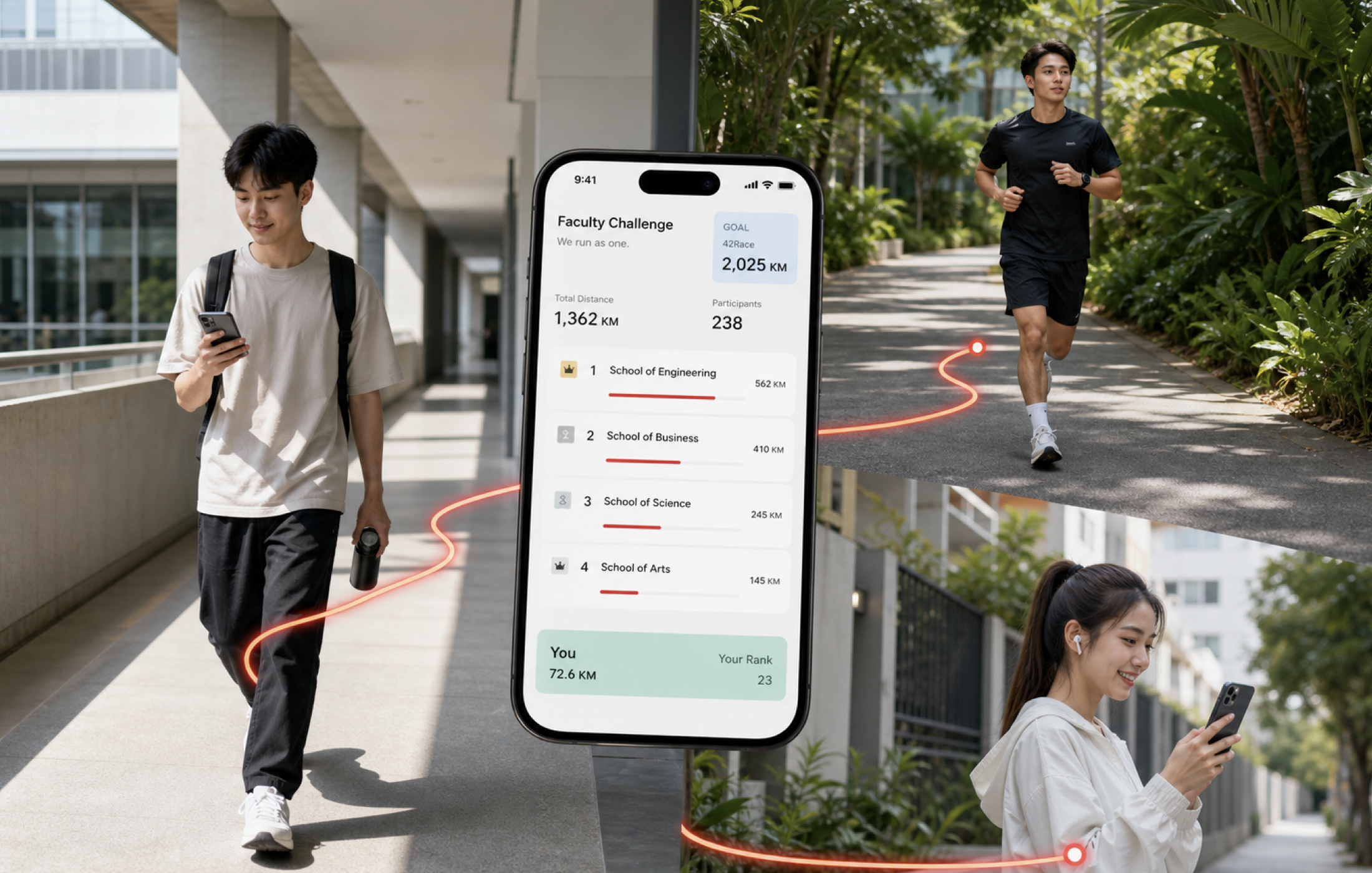
Virtual race offers a flexible, stress-free alternative to traditional running events by allowing participants to complete races at their own pace, on their own schedule.
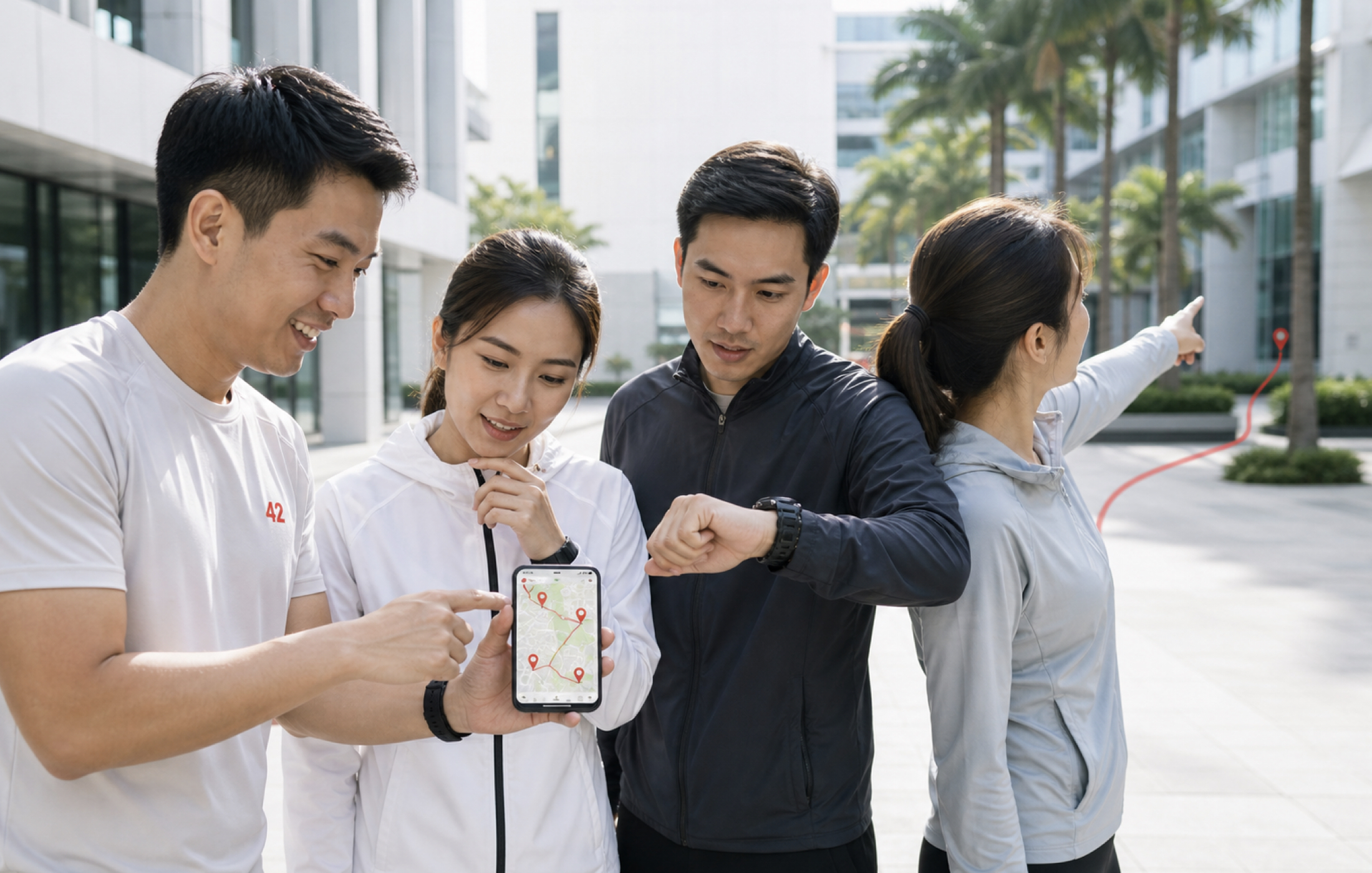
Half‑day Amazing Race guide for Singapore teams: browser/QR onboarding, copy‑paste checkpoint tasks, sample scoring, minute timeline and hybrid options.