
You know your CSR programme isn’t a checkbox when you struggle to get more than a handful of sign-ups. The real problem isn’t that staff don’t care — it’s that the activity choice, timing and logistics make participation unattractive. This list compares seven corporate CSR ideas and explains the participation trade-offs and selection criteria to help HR, employee-engagement and CSR leads pick the right fit.
Pick activities against three practical criteria: time commitment (one-off vs ongoing), inclusiveness (physical limits, skills), and visible impact (photographic proof, measurable outcome). Also consider location logistics in Singapore and Southeast Asia: heat, public-space permissions, transport and half-day windows for corporate groups.
What it is: A short route participants walk or run to raise funds or awareness. Why employees join: Simple, low-skill, social and fits busy schedules. Trade-offs: Heat and rain matter—pick sheltered routes or early starts in our region. Expect thin appeal for very non-active staff unless you add team incentives or alternative walking distances. Best when: You need broad participation and public visibility.
What it is: Activity tracked remotely (steps, runs, creative tasks) over days or weeks. Why employees join: Flexible timing and inclusive for remote teams across SEA. Trade-offs: Engagement can fade without checkpoints, leaderboards or small weekly goals. Avoid thinking ‘virtual’ equals effortless—communication and tech support still cost time. Best when: Teams are distributed or you want a low-permit option.
What it is: Staff raise money through pledges, auctions or matched giving. Why employees join: Direct, outcome-focused and easy to scale. Trade-offs: Relies on personal networks and clear storytelling about where funds go. Without a compelling beneficiary or visible thermometer, donations stall. Best when: You can show clear, local impact and offer easy donation flows.
What it is: Employees work on-site with a charity (teaching, packing, maintenance). Why employees join: Hands-on, memorable and great for team bonding. Trade-offs: Logistics-heavy—permits, background checks, and charity capacity. Not all NGOs can host large corporate groups at once. Best when: You want deep engagement and can schedule smaller rotating groups.
What it is: Checkpoint-based team tasks combining puzzles, missions and social missions. Why employees join: Competitive, cross-functional collaboration and highly memorable. Trade-offs: Requires careful flow design to avoid bottlenecks and safe city routing in Singapore. More resource-intensive to run cleanly. Best when: You want a one-day high-engagement event with measurable outcomes.
What it is: Short in-office activities (recycling drives, desk declutter, skill swaps). Why employees join: Minimal friction and easy to slot into the day. Trade-offs: Small wins; limited external visibility and fundraising potential. Risk of appearing token if not linked to a bigger campaign. Best when: You need steady, ongoing engagement and cultural change.
What it is: Single events around a cause—panel, fair, collection day or family fun day. Why employees join: Combines learning with tangible actions and often suits family-friendly schedules. Trade-offs: Requires good programming and partner charities. Attendance competes with personal time, so timing is critical. Best when: You want awareness plus direct action in a single, discoverable moment.
Choose activities by matching the goal (awareness, funds, volunteering) to the three criteria above. Mix one low-friction monthly activity with a higher-impact annual event to reach different employee segments.
Measure participation by registrations, completion rates and time spent. For impact, track funds raised, beneficiary feedback and visible outputs such as items packed or trees planted; choose simple KPIs that match your goal.
Yes, but plan for earlier start times, shaded checkpoints, water stations and contingency rain plans. Obtain permissions for public-space activities and work with partner charities that understand local operating constraints.
Break long challenges into weekly goals, use small-team rivalries and publish rolling leaderboards or highlights. Regularised nudges and short mid-event virtual meetups keep social pressure and interest high.
We can help you match CSR activities to your objectives and constraints.
BOOK A DEMO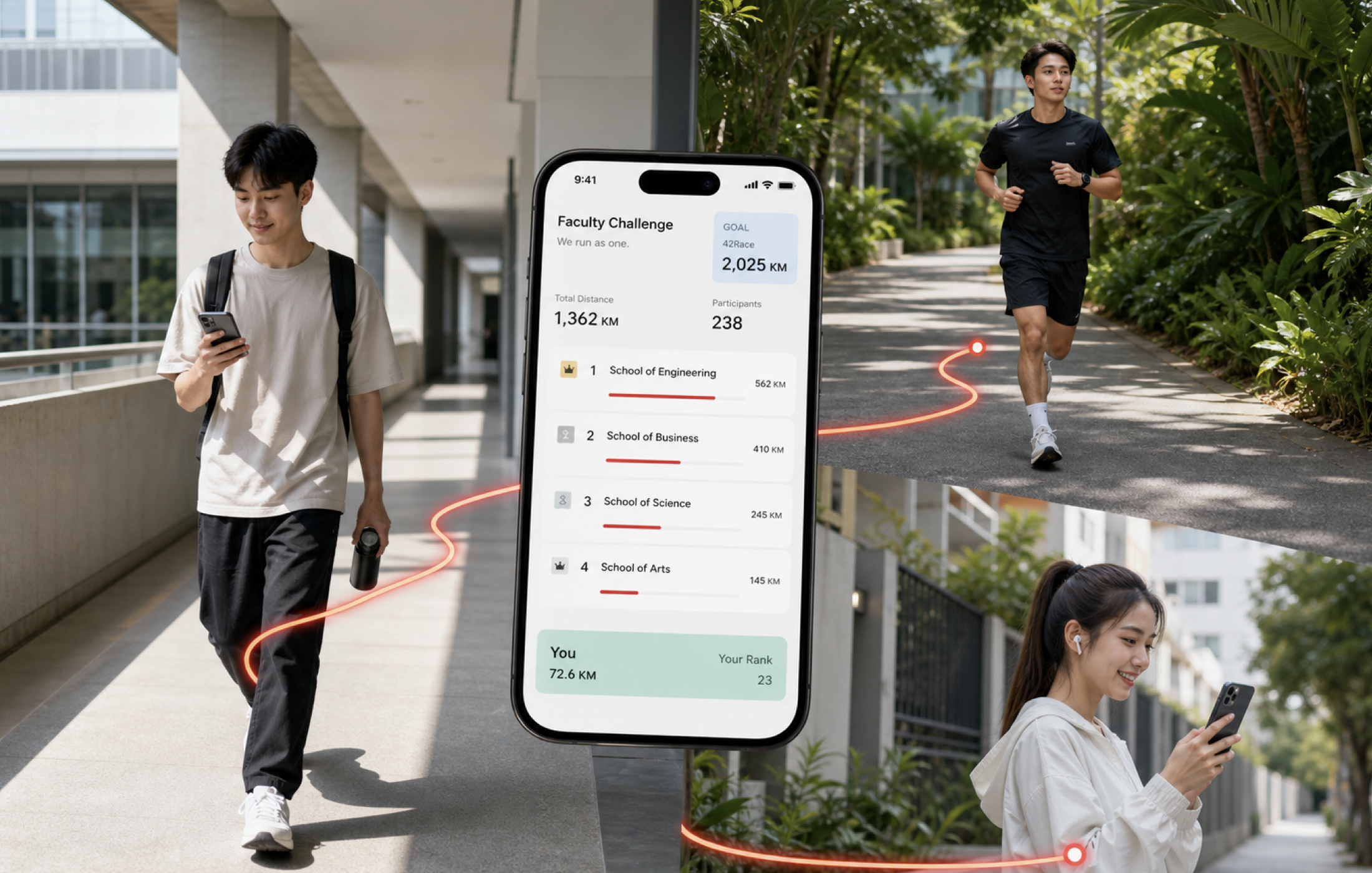
Virtual race offers a flexible, stress-free alternative to traditional running events by allowing participants to complete races at their own pace, on their own schedule.

Practical, operational guide to designing an Amazing Race-style event for corporate teams: goals, format choices, logistics and inclusion.