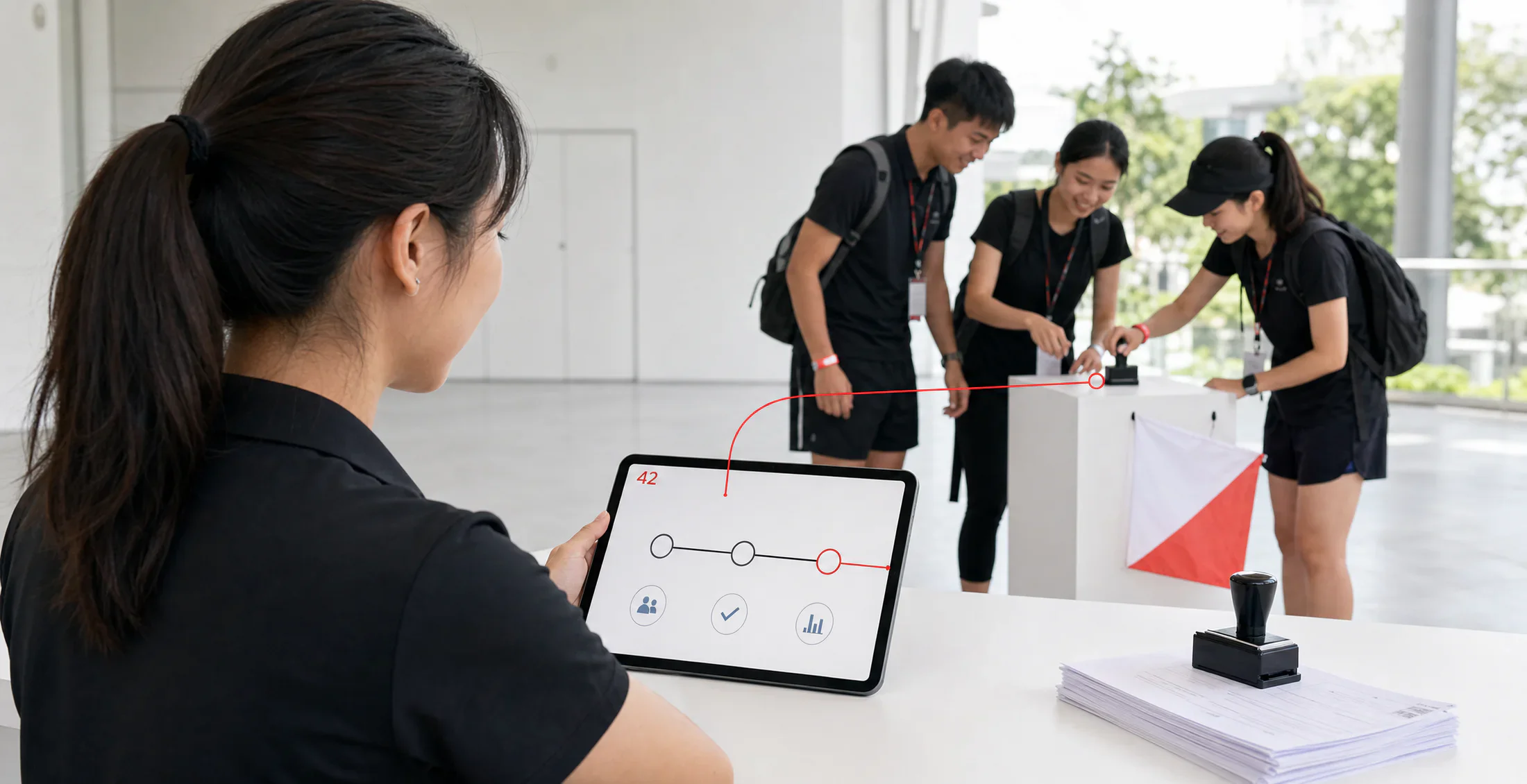
Organisers who’ve promised an ‘Amazing Race’ to colleagues know the tension: it sounds fun, but operations can become a paperwork and volunteer-scheduling nightmare. The real decision event leads face is not whether to use tech, but which manual burdens to stop doing and which operational checks to keep. This article shows where technology genuinely reduces workload — and where you still need human oversight.
One common pain is collecting answers, timestamps and judges’ notes from several checkpoints, then stitching them into final results. A digital checkpoint flow that accepts team submissions (photos, QR scans, short answers) removes hand-written slips. The trick is designing simple submission rules so volunteers don’t need training in spreadsheet macros, and ensuring each submission creates a single, auditable event entry for leaders to review. That makes post-event reconciliation a matter of validating edge cases, not transcribing pages.
Printed clue packets, maps and scorecards mean stuffing envelopes and correcting typos the week before the event. Deliver timed briefings and mission details through a secure browser experience that opens at the start time. This keeps last-minute changes manageable, removes printing logistics and reduces lost-item queries on the day. Provide a clear back-up PDF for participants who genuinely need offline copies.
For factual or multiple-choice missions, automated checking can grade answers instantly and provide feedback to teams. Use automated checks only where mission design allows it — creative photo/video or judgement-based tasks should still go to human reviewers. Where automation flags ambiguous submissions, route those to a small reviewer queue rather than to every volunteer.
Organisers worry about supervising teams, especially for safety and pacing. Technology can show checkpoint progress (completed checkpoints and timestamps) without live GPS tracking. That gives operations an accurate view of who has passed which point and helps target marshals to congested areas, while avoiding privacy complexity and the false expectation of continuous location monitoring.
Digital completion receipts and timestamped scores let you stage fair prize distribution. Automatic leaderboards (with rules for penalties and tie-breakers) reduce disputes and speed prize-giving. Keep a simple audit trail so any contested result can be checked against original submissions and reviewer notes.
Instead of a single PDF recap, generate concise analytics: participation by team type, average checkpoint time, common failure points and volunteer checkpoints that needed support. These outputs save HR, CSR and sustainability leads time when they write post-event summaries or measure learning outcomes.
Tech reduces repetitive work but doesn’t remove the need for ops judgment. Keep these checks: simple mission rules for automation, a small human review queue for judged tasks, redundant offline instructions for edge cases, and clear escalation paths for safety incidents. If your objective is engagement with minimal admin overhead, prioritise automated submissions, timestamped records and one source of truth for results.
Frequently Asked Questions
No. Technology reduces repetitive tasks like answer collection and basic grading, but marshals remain essential for safety, crowd control and adjudicating ambiguous missions. Plan volunteers around exception handling rather than routine scoring.
Not necessarily. Many systems use secure browser-based flows that work on common smartphones and devices, removing installation friction and supporting mixed-ability teams. Offer an offline fallback for participants with limited connectivity.
Design missions so judged items enter a reviewer queue with clear criteria and timestamped submissions. Use a small, trained team of reviewers and keep an audit trail of their decisions so results are transparent and quick to reconcile.
We can show a demo tailored to your team size, timeframe and risk constraints.
BOOK A DEMO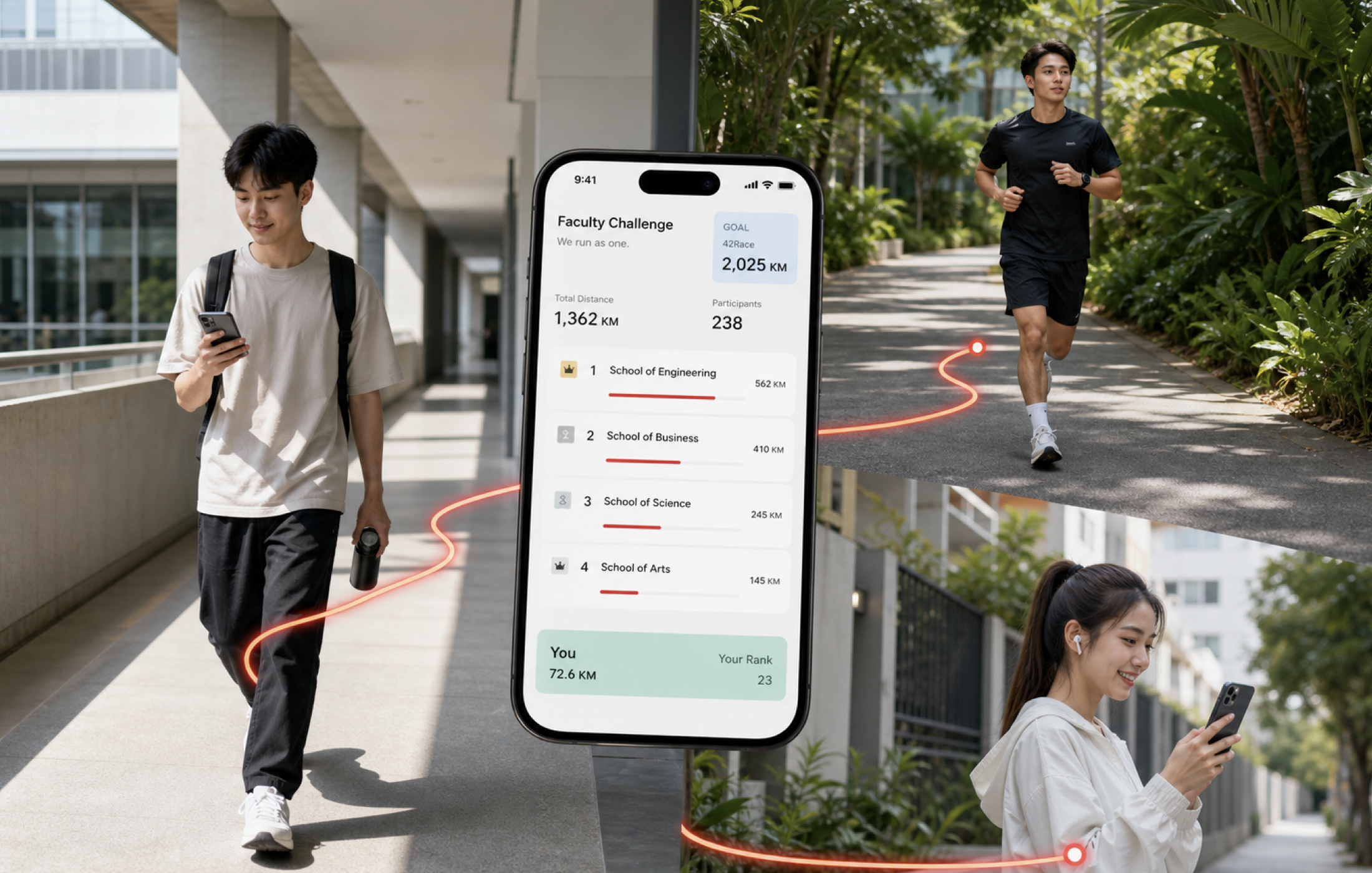
Virtual race offers a flexible, stress-free alternative to traditional running events by allowing participants to complete races at their own pace, on their own schedule.
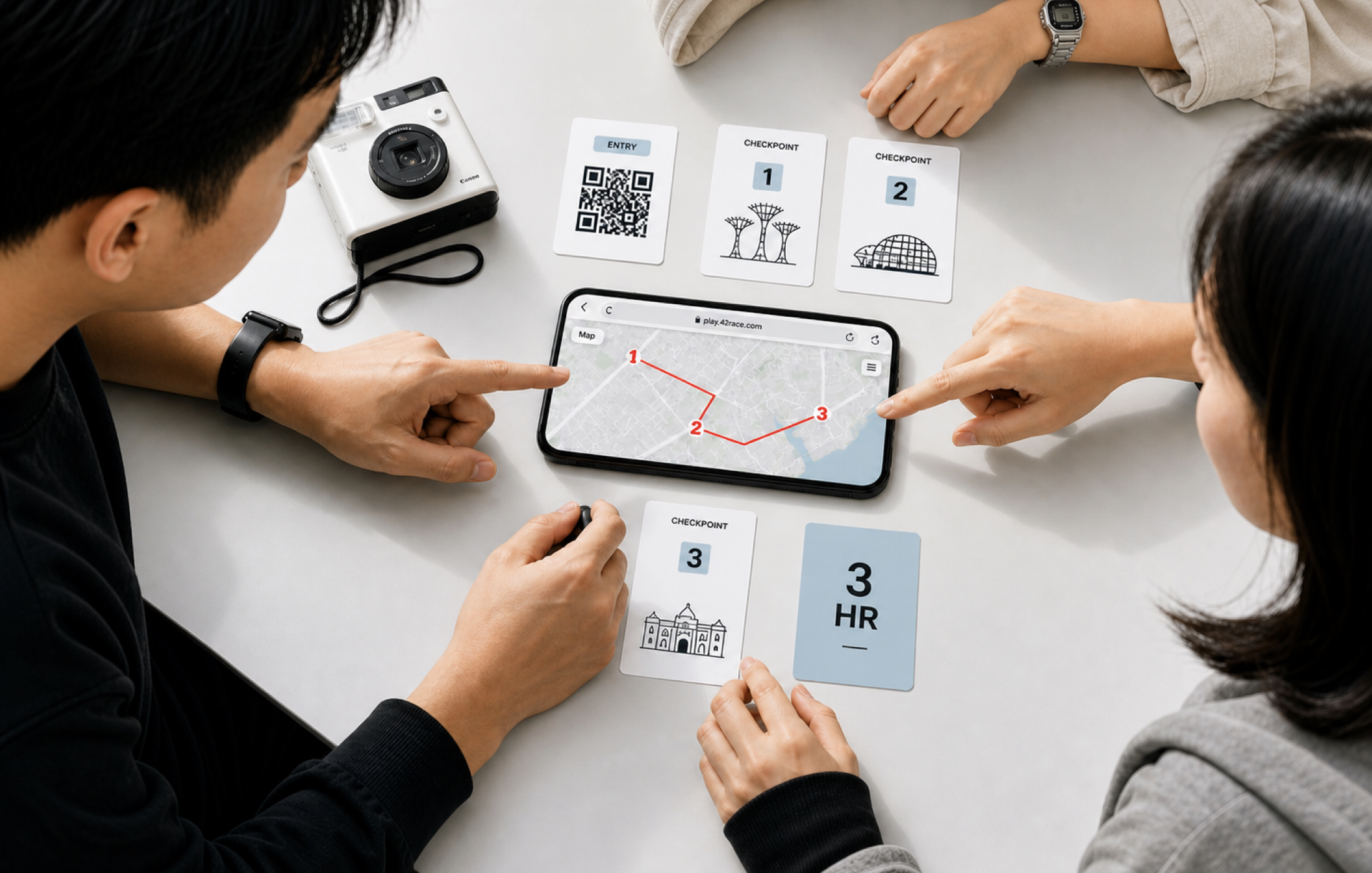
Practical, operational guide to designing an Amazing Race-style event for corporate teams: goals, format choices, logistics and inclusion.