
Fun walks are easy to run but easy to forget. The real decision for brand teams is whether the walk is a moving billboard or a live brand moment people remember and talk about. This article helps marketing teams, brand managers and activation agencies make that trade-off deliberately — using checkpoints, activities and storytelling to create interaction instead of passive exposure.
Start by mapping the typical participant journey from arrival to finish: what they see, when they stop and where they have time to engage. A resting point or water station is usually a better activation moment than mid-route signage. Choose locations where people naturally pause and design a short interaction that fits the pacing.
Each checkpoint should do one of three things: teach, delight or reward. Avoid branded swag that lives in a drawer; instead create useful or narrative-led touchpoints — a micro-experience that connects to the brand story. Keep interactions quick (one to three minutes) and clearly signposted so no explanation is needed.
Design low-friction, optional activities that let people opt in rather than feel targeted. Examples include simple sensory stations, short physical challenges with photo moments, or micro-games that reveal a personalised tip or small prize. Crucially, avoid anything that requires participants to stop strangers, approach businesses or enter private spaces without permissions.
Make rewards meaningful and shareable. Digital badges, instant photo prints, charitable donations triggered by a checkpoint or exclusive post‑event content tie the reward back to the brand and the participant’s identity. Physical rewards work if they’re immediately useful on the day: cooling towels, sunscreen sachets or water bottles carry the brand into the rest of the walk.
Give the walk a simple narrative arc — a purpose, a small challenge or a reveal — so checkpoints become chapters not spot ads. Story can be literal (a themed trail) or subtle (each station highlights a value or benefit). Use short prompts and clear visual cues so the narrative survives noisy environments and distracted participants.
High interaction density increases staff needs and complexity. Keep volunteer or staff roles tightly scripted and rehearsed. Test one or two checkpoints in a pilot rather than overloading a single route. Measurement matters: combine simple on-site verification (scans, timestamps) with a short post-event survey to know which activations genuinely landed.
Done well, a fun walk becomes a moving stage: people, not banners, carry the brand story away.
There’s no single correct number; choose checkpoints at natural pause points and avoid overloading the route. Fewer, well‑executed activations typically outperform many shallow touches because staff and logistics can focus on quality.
Use simple on-site signals such as QR scans or timestamped photo uploads combined with a short post-event survey. Tracking immediate engagement and follow-up sentiment gives a clearer picture than impressions or passive pass-bys.
Yes. Integrate sponsor messages through useful or narrative-led activations rather than logo-heavy booths. Sponsors add value when their presence contributes a service or story that benefits participants on the day.
We can map checkpoints, activities and a participant journey for your event.
BOOK A DEMO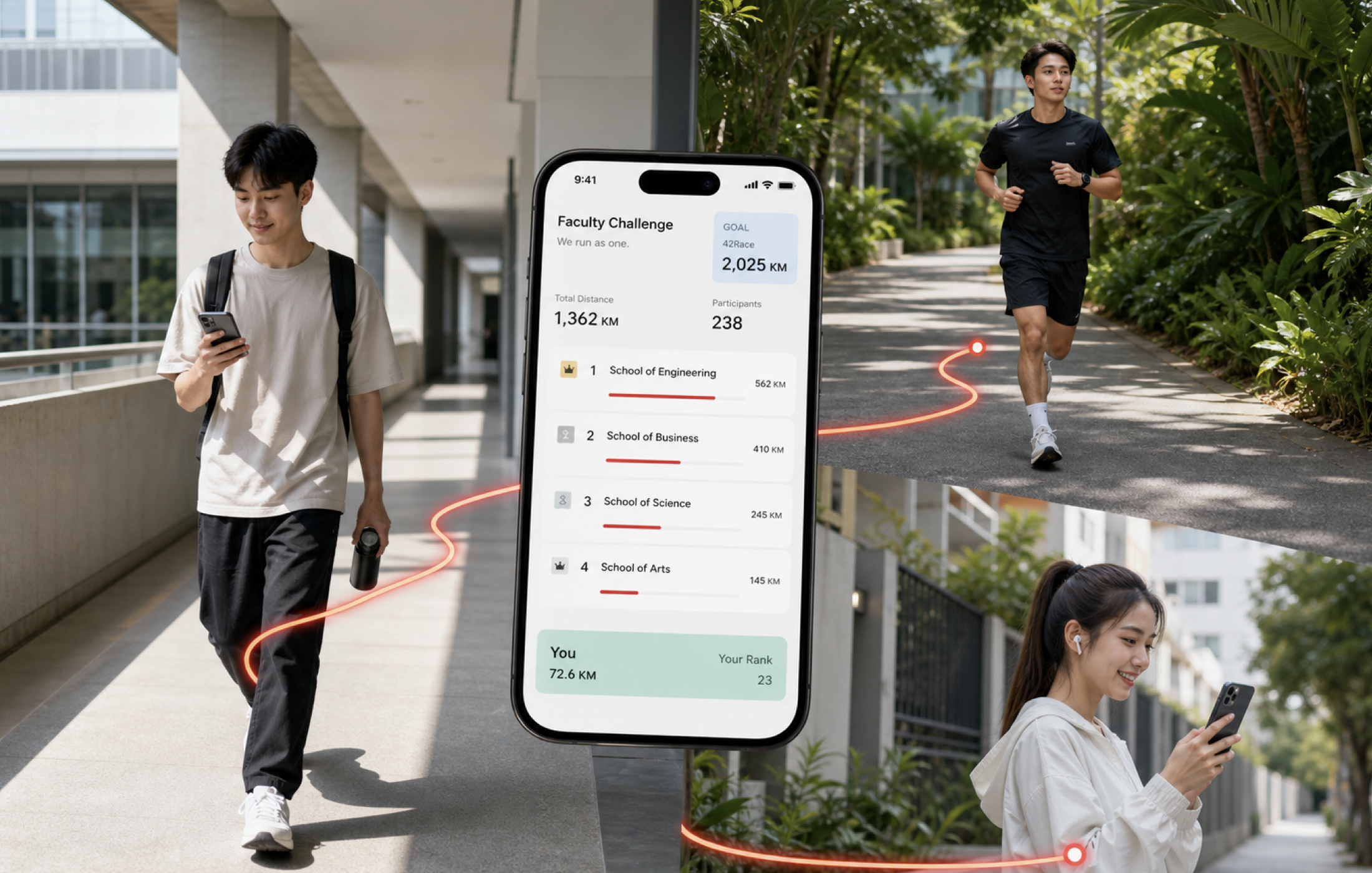
Virtual race offers a flexible, stress-free alternative to traditional running events by allowing participants to complete races at their own pace, on their own schedule.
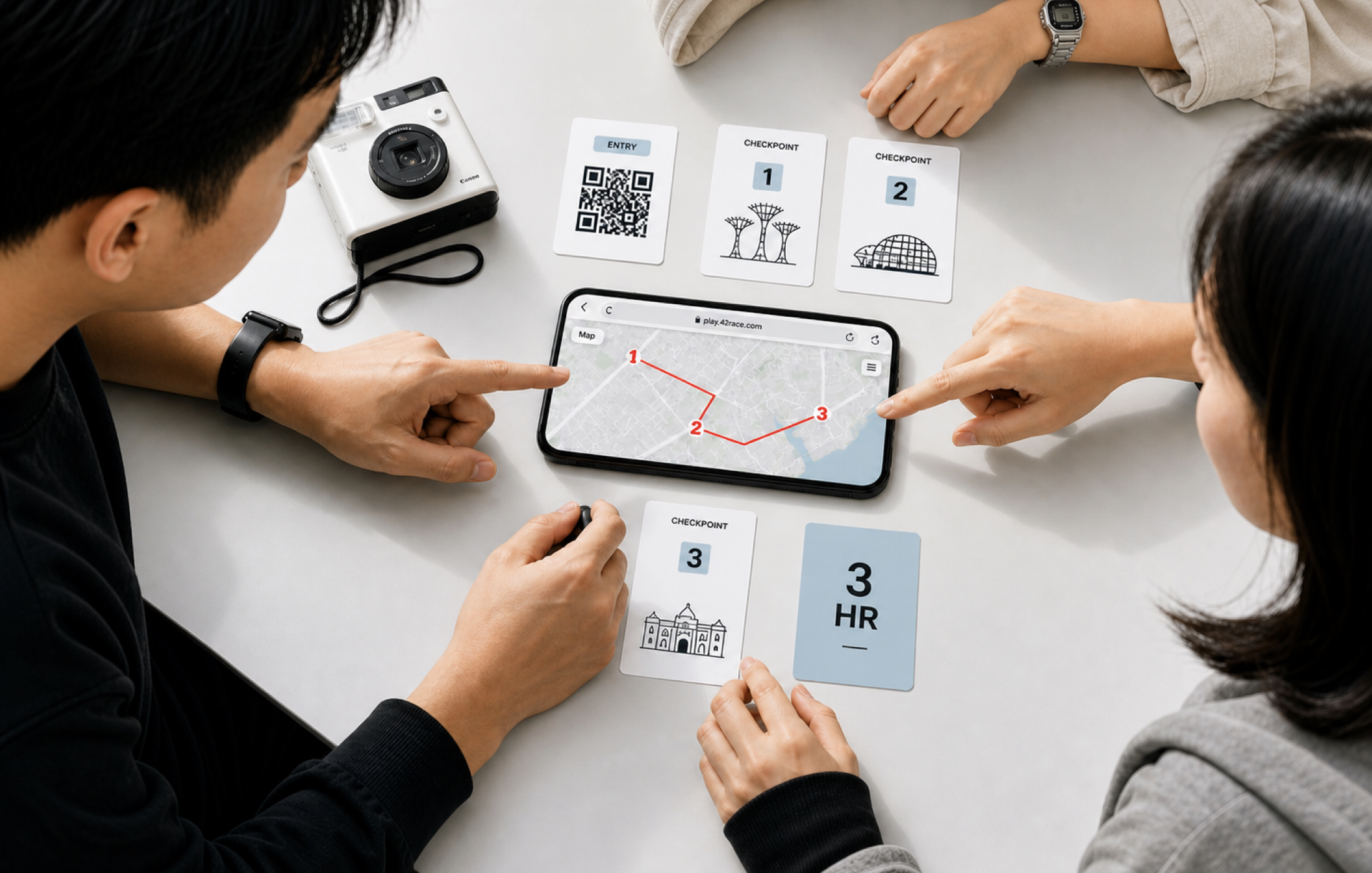
Practical, operational guide to designing an Amazing Race-style event for corporate teams: goals, format choices, logistics and inclusion.