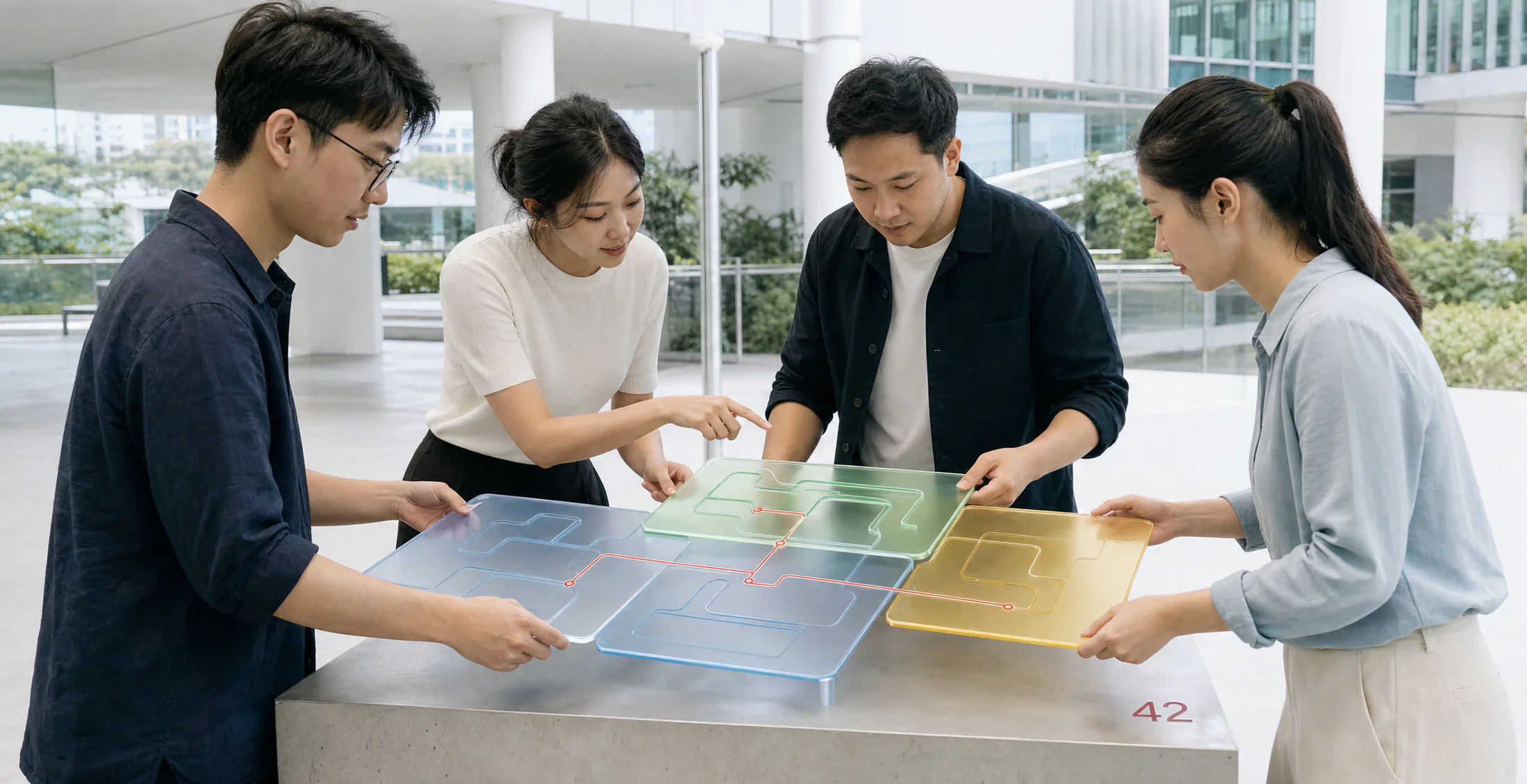
You’ve been asked to create connection across new cohorts, a post-merger team or a cross-functional squad where few people have worked together. The common mistake is to run fun activities that let existing friendships cluster and forget that chemistry is an outcome of structured interaction, not casual proximity.
If your activity lets people choose who they work with, existing groups will self-select and the objective fails. Instead, allocate teams deliberately to mix departments, tenures and roles. Use seeded constraints — for example, each team must include at least one technical, one customer-facing and one operations person — so teams are heterogeneous by design.
Why this matters: forced diversity produces moments where people exchange different mental models. Those exchanges are the raw material of chemistry. Comfort groups produce comfort metrics, not organisational bridges.
Build a short sequence of small tasks that require genuine interdependence. Avoid trivia or purely social icebreakers. Good tasks have clear deliverables, a short timebox and complementary responsibilities: researcher, synthesiser, presenter, validator. After one round, rotate roles so quieter people get to lead and extroverts practice listening.
Role rotation does three things: it reveals capability beyond job titles, reduces dominance hierarchies and gives everyone a stake in the team's output.
Provide conversation starters tied to the task: “What customer insight would change our process?” or “What internal handoff causes the most friction?” Prompts should be specific, non-threatening and actionable. Frame the session with a brief agreement about curiosity and no interruptions. That primes honest contribution while keeping the tone professional.
Make success depend on small team-to-team dependencies. For example, one checkpoint’s output becomes another team’s input. Or require teams to trade one piece of data to complete a final deliverable. Interdependence creates reasons to reach out, negotiate and build rapport that persist after the event.
After activities, run a 15–20 minute debrief that asks: What surprised you about your teammates? What new process idea will you try? Who will you follow up with? Capture commitments publicly — a shared document or a post-event channel — so social intention becomes action.
Chemistry fades without reinforcement. Schedule paired check-ins, cross-team micro-projects or a shared knowledge repository seeded during the event. Ask managers to recognise collaborative wins in the next team meeting. Small, concrete follow-ups convert a one-off event into sustained network change.
Design choices trade psychological safety, realism and organisational signal. Prioritise structured interaction and measurable interdependence over novelty. That’s how you turn awkward introductions into working chemistry people can use on Monday morning.
Deliberately mix functions, seniority and tenure rather than letting people self-select. Use simple rules — for example one person from each function or at least two new hires per team — to ensure heterogeneity and useful tension.
Tasks that require complementary skills, short deadlines and shared outputs force communication about substance. Avoid generic icebreakers; choose activities where one person cannot complete the work alone and where teams must exchange artefacts or decisions.
Capture explicit follow-ups during the debrief, assign paired check-ins and create a visible channel for cross-team progress. Ask managers to reference collaborations in regular meetings so the new connections are reinforced by existing workflows.
We can design mixes, role sequences and debriefs tailored to your cohort size and objectives.
BOOK A DEMO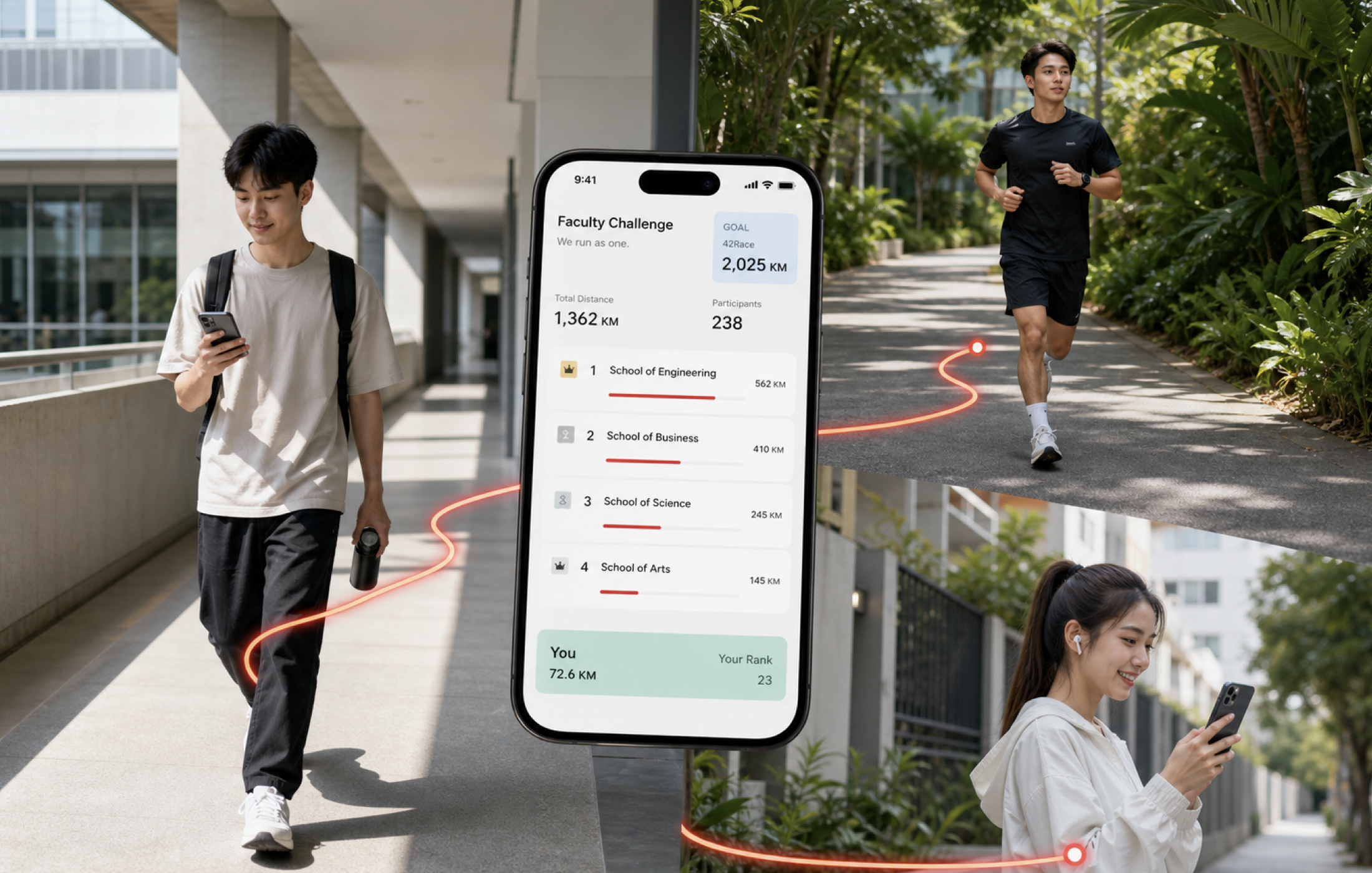
Virtual race offers a flexible, stress-free alternative to traditional running events by allowing participants to complete races at their own pace, on their own schedule.
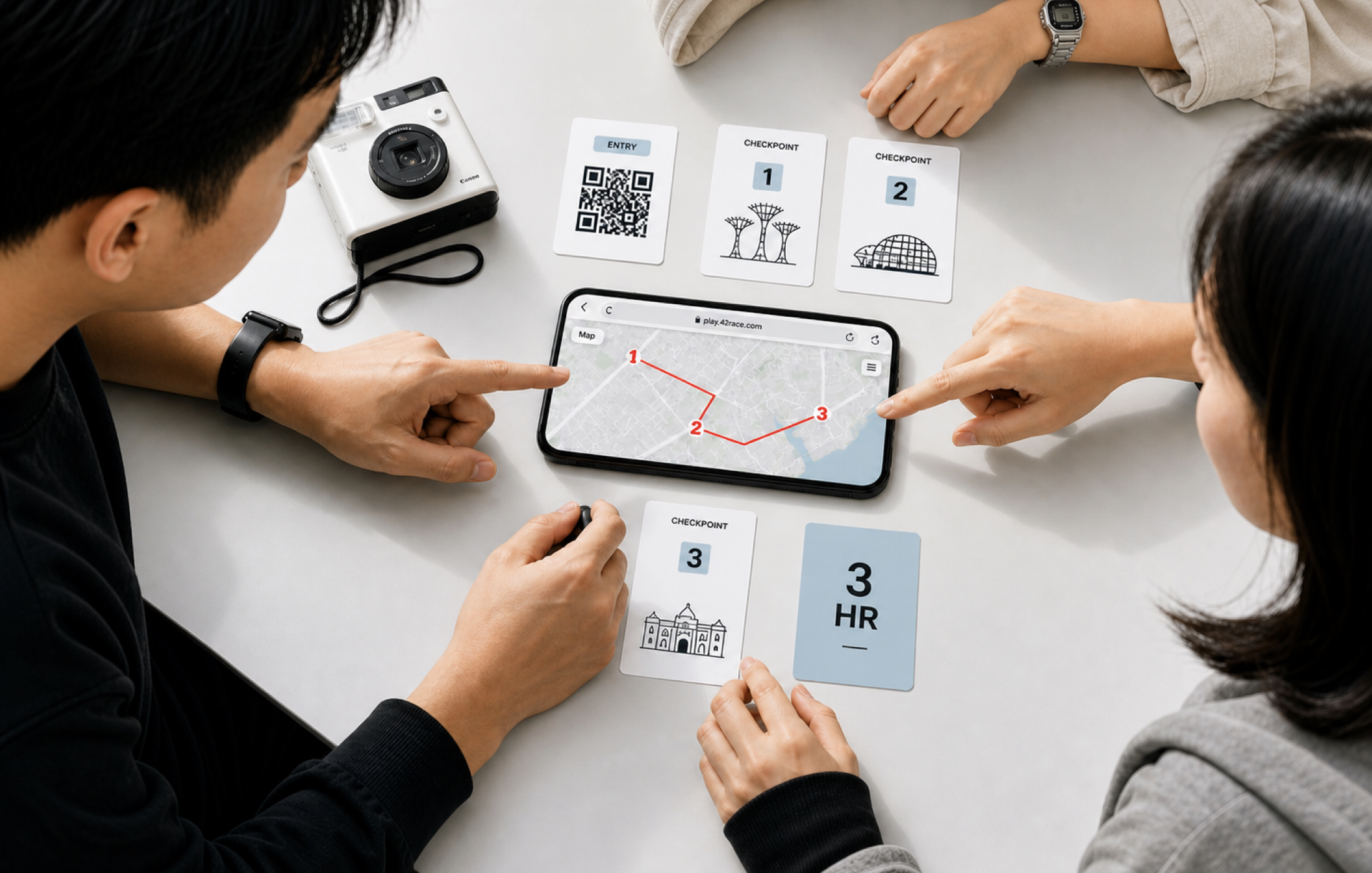
Practical, operational guide to designing an Amazing Race-style event for corporate teams: goals, format choices, logistics and inclusion.