Who in your organisation is scattered across offices and time zones, and who will actually turn up on a rainy Saturday? That tension is the real decision behind “charity walk or virtual challenge.” The formats look similar—movement, fundraising, shared purpose—but the operational trade-offs are different. This guide compares three formats and gives a short decision framework so HR, CSR and event teams in Singapore and Southeast Asia can choose what they can reliably deliver.
What each format really asks you to do
Physical charity walk (local, in-person)
- Strengths: Clear shared experience, easy social media moments, local sponsorship and venue partnerships. Good for tight-knit offices, strong community ties and visible employer branding.
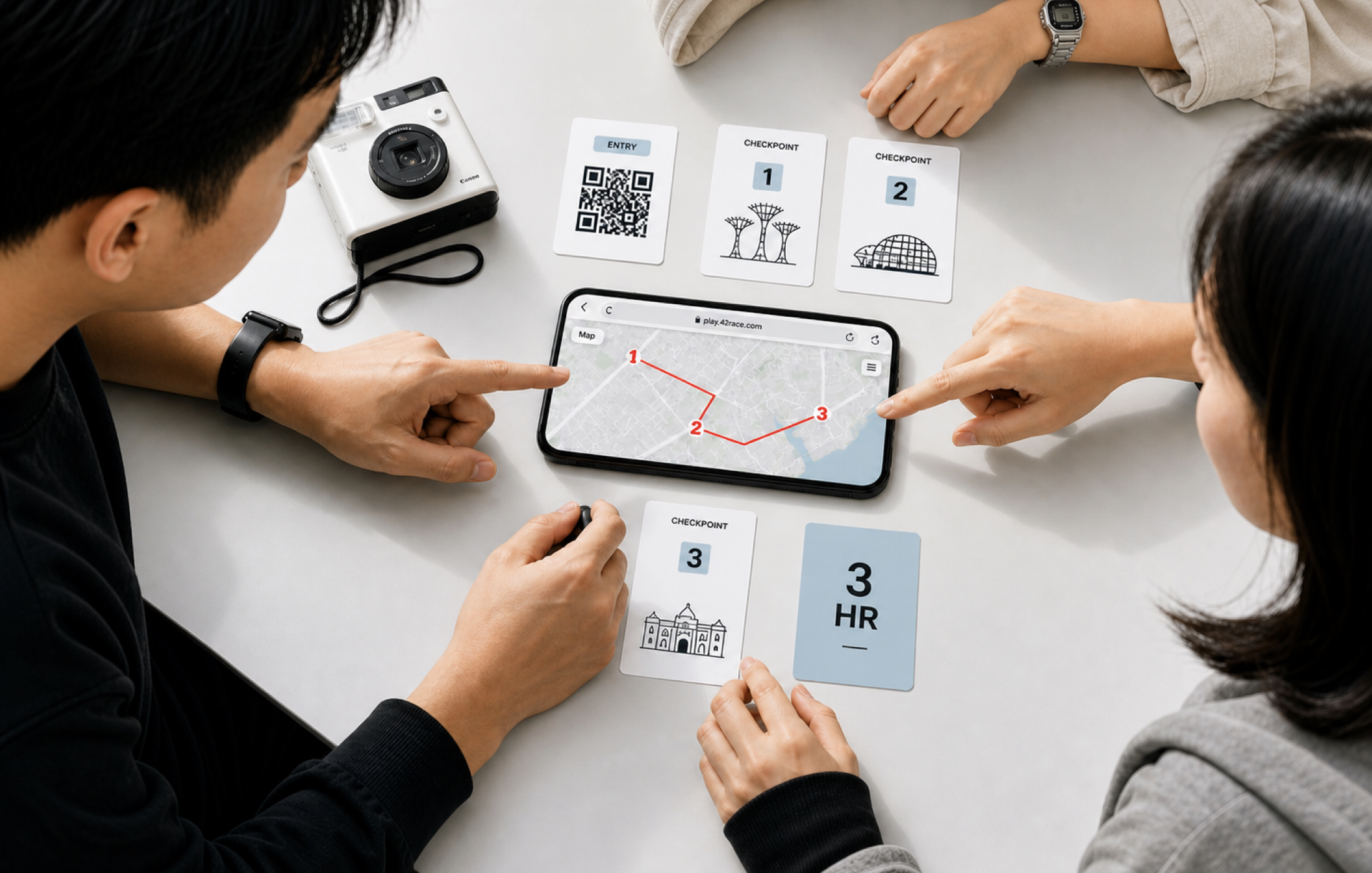
- Practical costs: Permits, route safety, first-aid planning, volunteer marshals, checkpoint crowding and weather contingency. Attendance is location-dependent; transport and half-day scheduling matter in Singapore’s heat and rain.
Virtual challenge (distributed, app/web-driven)
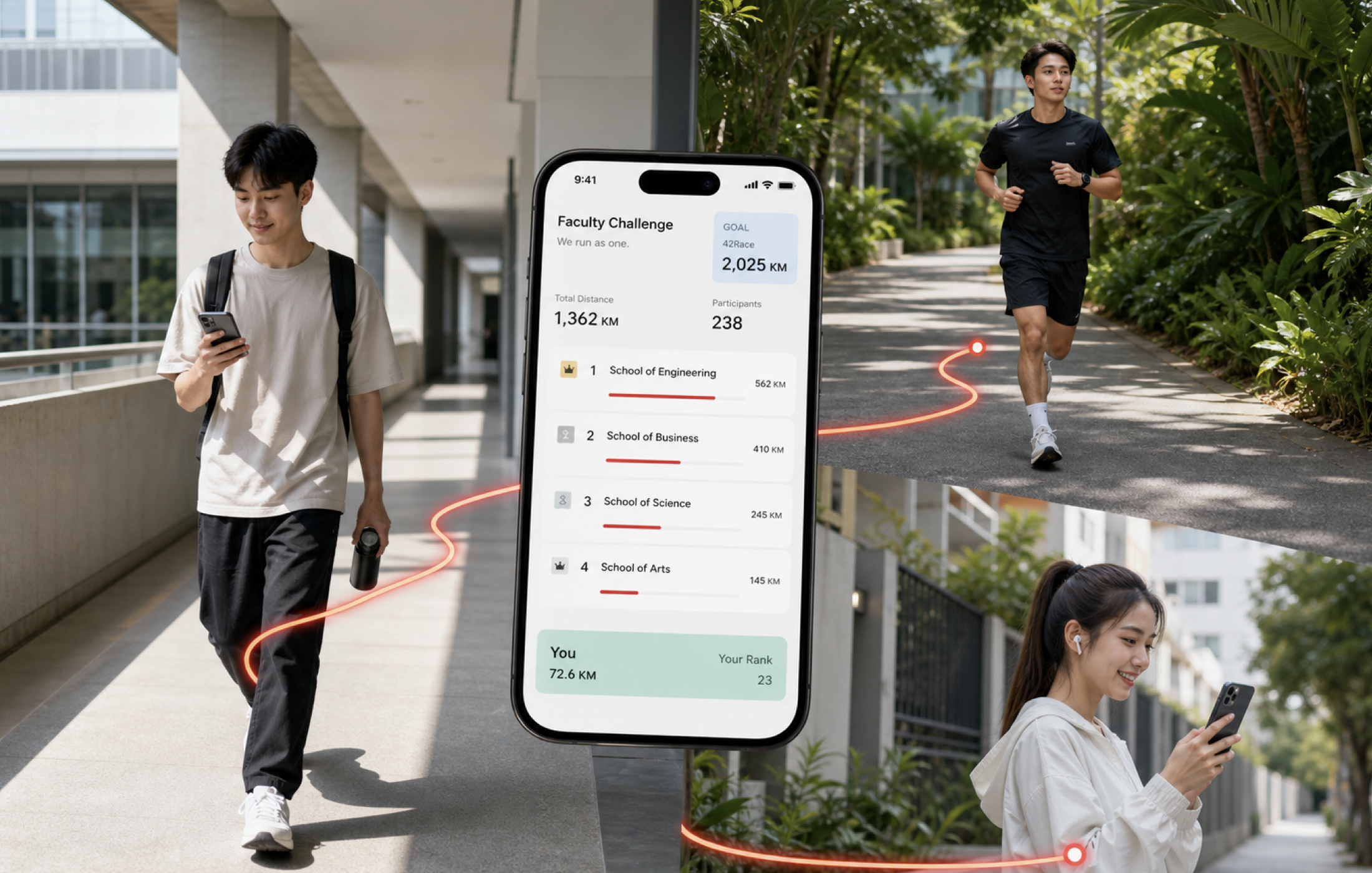
- Strengths: Flexible for remote staff and multiple markets; lower venue risk; continuous participation window that fits shift workers.
- Practical costs: You must design digital engagement—push notifications, clear onboarding, verification of activity (photo uploads, self-reported steps), and richer content to keep people returning. Beware of low completion without real-time social cues.
Hybrid (combined in-person and virtual)
- Strengths: Scales broader reach while keeping some in-person momentum. Useful when you want both local activation and global participation.
- Practical costs: Operationally the heaviest. You need two coherent experiences, aligned incentives, consistent branding and careful reporting so virtual and physical contributions are comparable.
Decision criteria that actually matter
- Participation geography: Are most people local or distributed across cities/countries? If local concentration is high, a walk wins; if distributed, a virtual option is necessary.
- Desired experience: Do you prioritise a single, memorable communal moment or ongoing flexible participation? Communal moments favour a walk; ongoing flexibility favours virtual.
- Risk tolerance and logistics: Can your team manage permits, volunteers and weather plans? If not, virtual reduces on-the-ground risk.
- Engagement resources: Do you have content, comms and digital support to sustain a virtual challenge? Low digital capacity makes physical simpler.
- Measurement and fundraising: Which format aligns with donor expectations and reporting needs? Hybrids complicate attribution unless you plan measurement up front.
A simple selection framework
- If 70%+ of participants are local, and you can manage onsite logistics and weather risks, choose a charity walk for stronger live engagement.
- If your workforce is geographically dispersed, or you need a low-permit, low-contact option, choose a virtual challenge and invest early in onboarding and regular digital touchpoints.
- If you need scale and both audiences matter, choose hybrid only when you can commit resource to run two integrated experiences and a single reporting model.
Pick the simplest format that reliably meets your objective. Complexity rarely improves participation unless you can operate both sides well.
Frequently Asked Questions
Which format raises more money—walks or virtual challenges?
There’s no universal winner; fundraising depends on your donor base, communications and sponsorships. Physical walks can create higher-ticket sponsorships and local media moments, while virtual challenges can broaden reach and recurring small donations if engagement is sustained.
How do you keep people engaged in a virtual challenge?
Regular, bite-sized content and clear milestones help: onboarding messages, weekly mini-goals, photo missions, team leaderboards and scheduled live check-ins. Invest in easy sign-up, simple verification mechanics and brief reminders to reduce drop-off.
What’s the single biggest planning risk for a hybrid event?
Treating hybrid as two separate events is the risk. If you don’t plan integrated comms, consistent incentives and unified reporting from the start, one stream will feel secondary and measurement becomes messy.