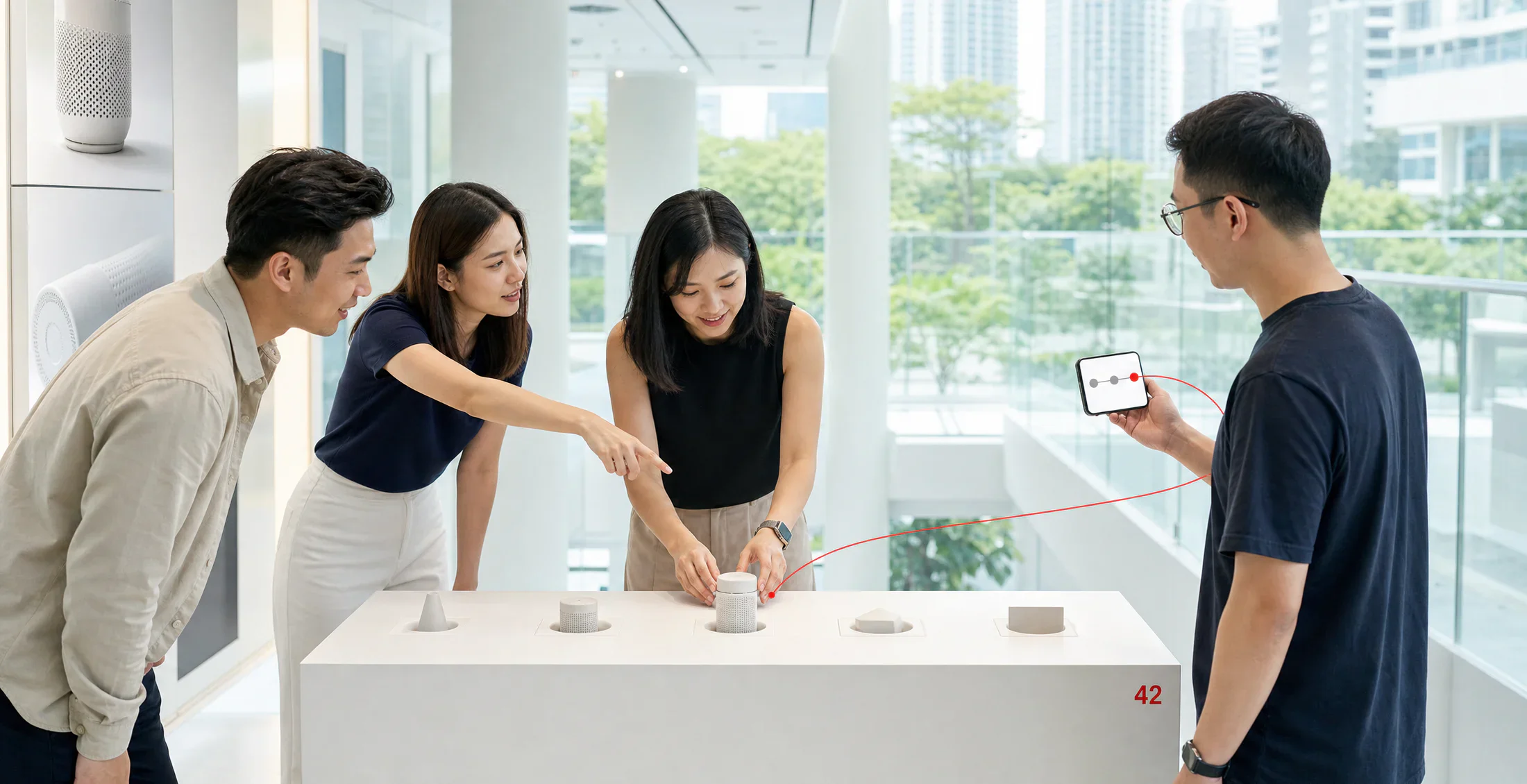
You want a company Amazing Race that feels unmistakably yours — milestones, founders, products and culture visible in every checkpoint — but without lapsing into a dry training session or a quiz night. The tricky part is keeping brand relevance while designing missions that are active, social and fair for mixed teams.
Decide what you want the race to do for your people. Is it to boost pride in a product, connect dispersed offices, surface CSR work, or simply make onboarding less awkward? Pick a primary objective and let it shape how literal your references should be. A product-centred race needs hands-on demos; a culture-centred race needs values-driven dilemmas and behaviours to act out.
Avoid straight trivia. Use company facts as the raw material for tasks that ask teams to do something meaningful.
Translate values into choices or behaviours during missions. For example, a sustainability value could become a resource-management puzzle where teams must choose between faster but wasteful routes and slower eco-friendly options. Debrief prompts at the finish line can surface reflections without forcing a training module.
Design challenges so different skills can contribute: a visual puzzle, a physical coordination task, a short riddle and a conversational interview. That prevents the race being won by the loudest or fastest person. Time-limited stations reduce queues and simplify volunteer requirements.
Never require public shaming, political messaging or recruitment-style speeches. Limit internal-only content to checkpoints where permissions, privacy and psychological safety are controlled. If a clue references sensitive topics (performance metrics, compensation), skip it.
A company Amazing Race that uses story thoughtfully becomes a shared, active way to live your culture — not a classroom. Start by choosing the single story goal, convert facts into hands-on missions, and guard fairness and psychological safety at every checkpoint.
Turn history into physical or creative tasks rather than quizzes. Timelines, assembly puzzles and short role-play prompts let teams experience the story instead of memorising dates.
Avoid sensitive internal material in public or mixed-team missions. If the topic is essential, handle it in a closed, opt-in debrief with clear psychological-safety rules and facilitator support.
Design variety into every checkpoint: one quick puzzle, one low-mobility task and one social challenge. Balance points so teams succeed through collaboration rather than a single physical skill.
We can design a company Amazing Race aligned to your objectives and logistics.
BOOK A DEMO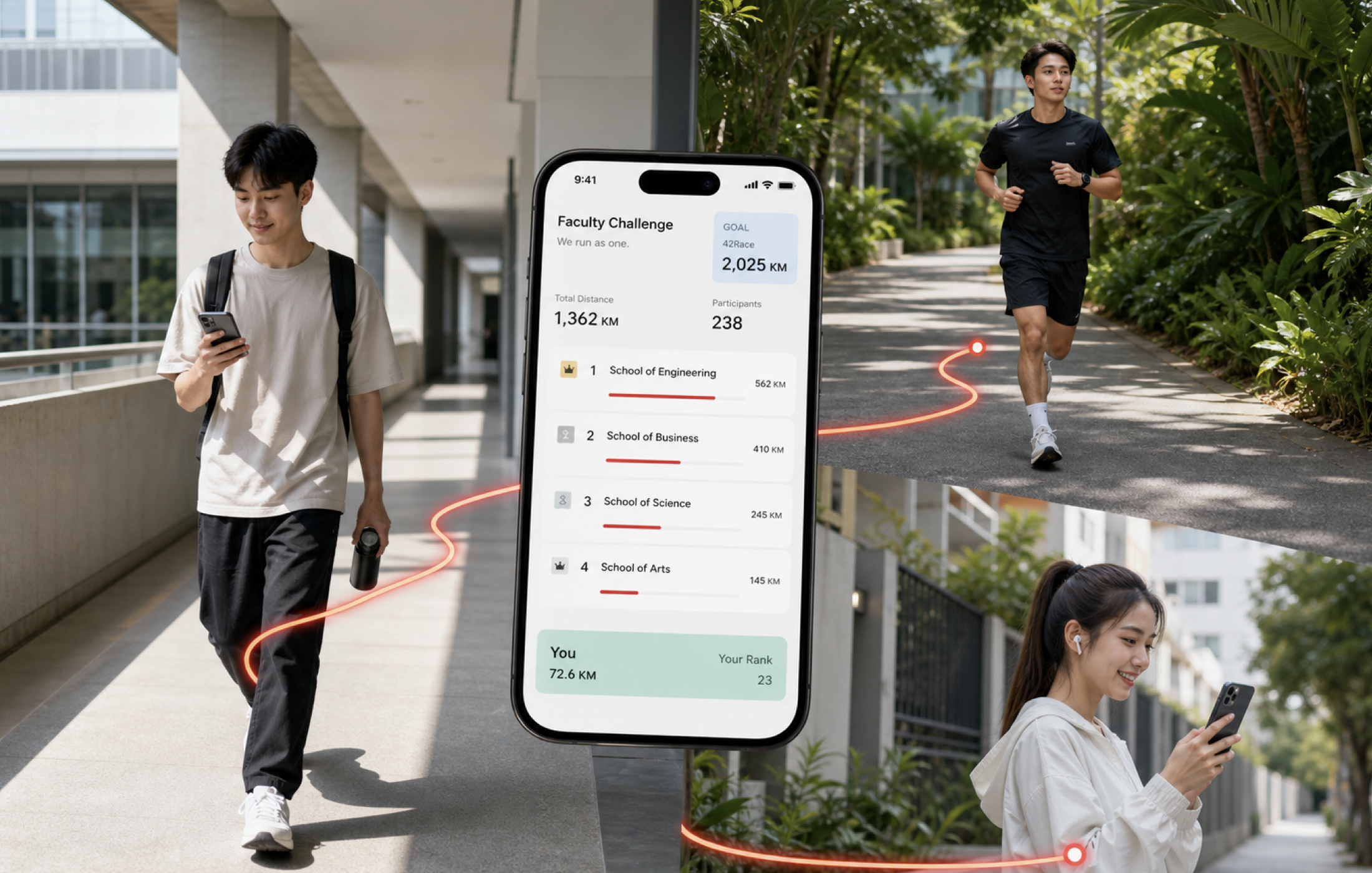
Virtual race offers a flexible, stress-free alternative to traditional running events by allowing participants to complete races at their own pace, on their own schedule.
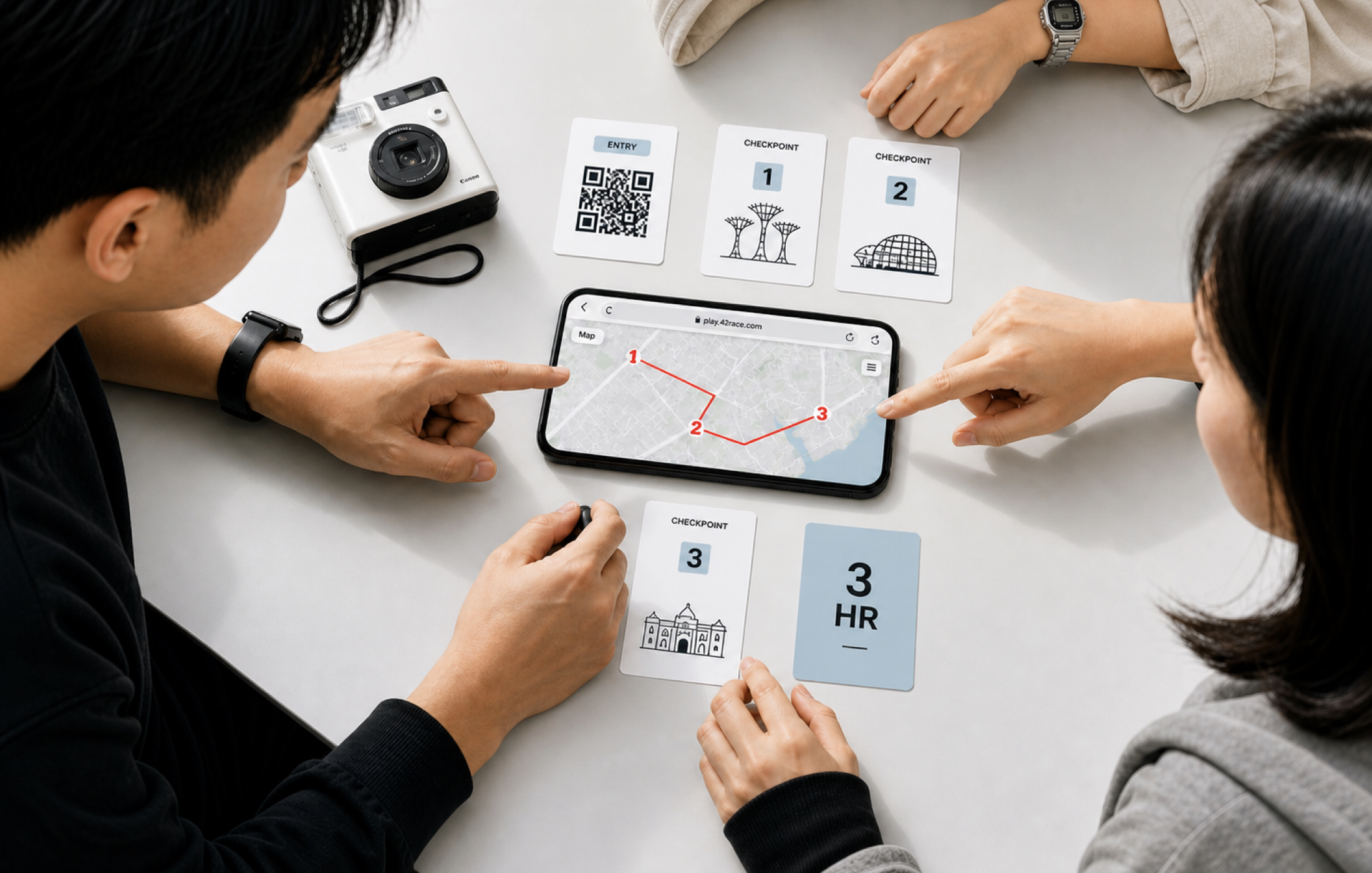
Practical, operational guide to designing an Amazing Race-style event for corporate teams: goals, format choices, logistics and inclusion.