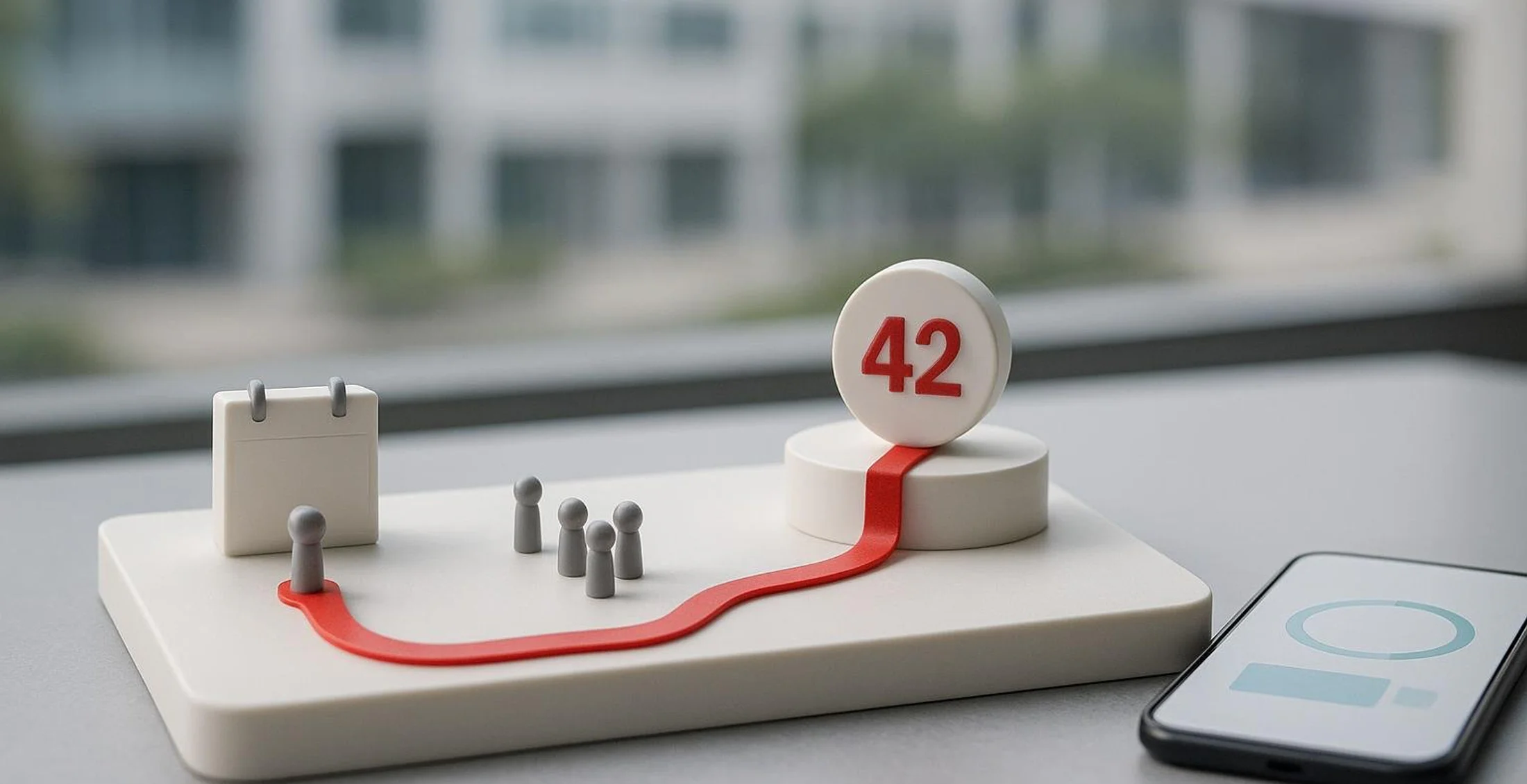
You’ve announced a CSR programme, booked a partner charity and put the slide on the all-hands. Then attendance is… smaller than the slide deck suggested. That gap between announcement and actual employee participation is exactly where most CSR campaigns fail or succeed. This article explains why employees don’t turn up and what practical changes increase uptake for corporate CSR activities.
Announcements assume interest equals action. In practice, people weigh time, convenience, personal relevance and social signals before they commit. For Singapore and Southeast Asia workplaces—where office hours, travel time and family commitments squeeze discretionary hours—those small frictions become deal-breakers.
These are the things HR, CSR and event teams can change without inventing a new programme.
Accessibility: remove logistical friction. Host activities during work hours or offer short on-site shifts so employees don’t have to make extra trips. If travel is unavoidable, provide transport options or cluster activities near MRT lines and business parks common in Singapore. Accessibility also means mixed-ability options — not everyone can be on their feet for three hours.
Simplicity: make joining trivial. A one-click sign-up in your single sign-on, automated calendar invites and clear role descriptions reduce the cognitive load. Avoid “reply if interested” emails; use capped slots so employees know participation is finite and concrete.
Personal relevance: connect the activity to something employees care about. Offer a range of missions—hands-on volunteering, digital micro-tasks, skill-based pro bono work—so people can choose how their strengths map to impact. Communicate the outcomes that matter to staff: is it time with children, upskilling, team bonding or environmental impact?
Team mechanics: design for groups, not lone volunteers. People join friends. Use team registration, department challenges or manager-led slots. Make teams small and clearly scoped so social accountability, not peer pressure, nudges sign-ups. For hybrid teams, allow fully virtual teams or mixed-mode participation.
Visible progress and feedback: people join movements they can see. Share live progress bars, photos, short local stories and intermediate milestones. In Singapore, short post-event summaries that show direct beneficiary outcomes and time-stamped photos work well because they respect privacy and are easy to consume.
Prioritising accessibility (office-hour slots) may reduce the diversity of volunteers who prefer evenings. Offering many activity types increases appeal but raises administrative complexity. Pick two levers to optimise first—typically accessibility and simplicity—and measure before expanding.
These operational choices are what move people from “sounds nice” to “I’ll be there.”
Measure sign-up rates, attendance versus sign-up, repeat participation and team versus individual sign-ups. Combine these with short post-event surveys asking whether logistics, timing or task type were barriers.
Yes. Virtual and micro-task options remove travel friction and suit staff with caregiving commitments or remote teams. They should still deliver clear outcomes and include social elements like team chats or live check-ins.
Budget for logistics that reduce friction: transport, backfill for staff time, simple tech for sign-ups and a small communications budget for clear, timely reminders. The biggest returns usually come from subsidising time and simplifying joining.
We can design a simple, measurable programme that fits your workday, mobility and engagement goals.
BOOK A DEMO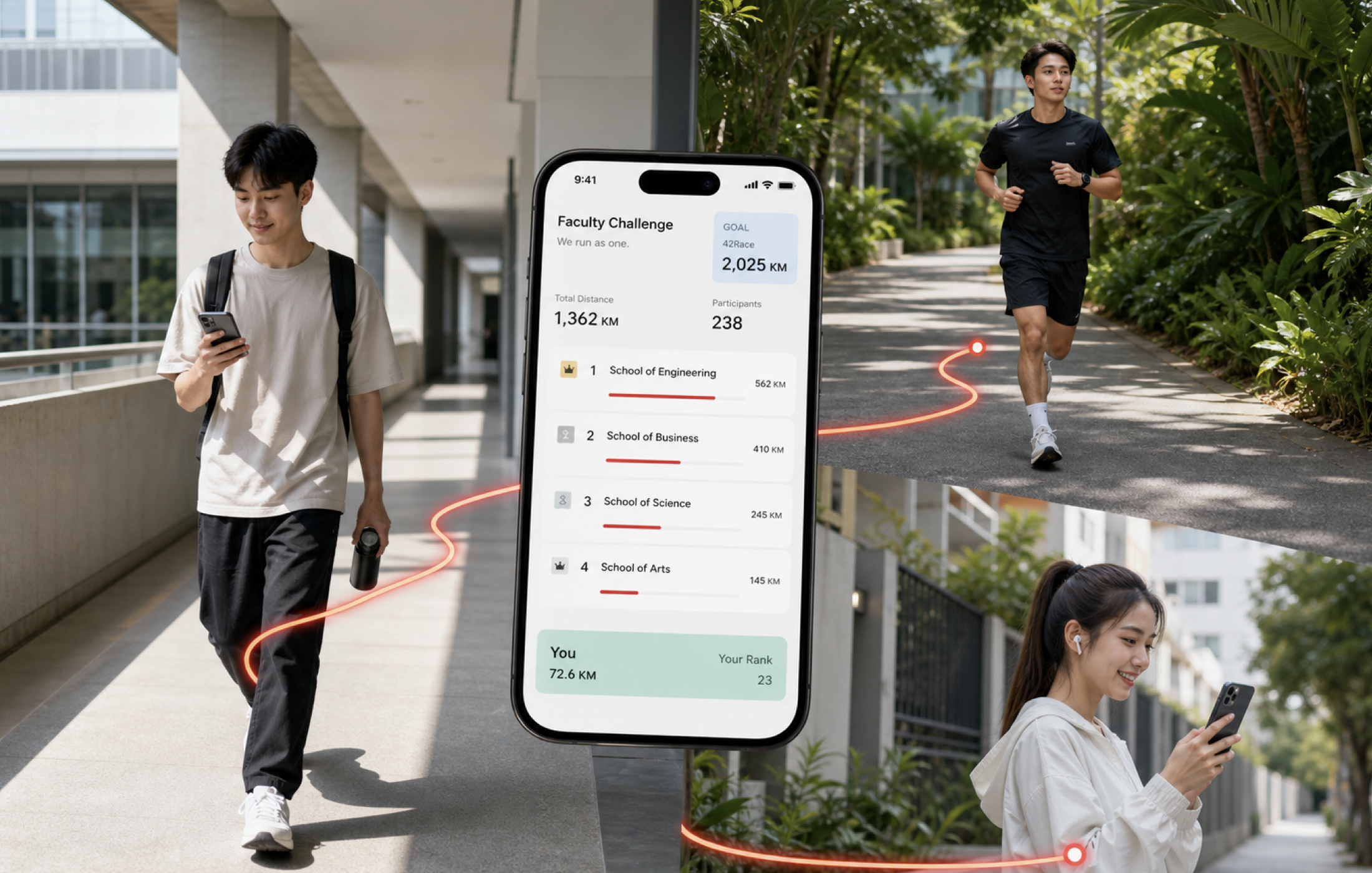
Virtual race offers a flexible, stress-free alternative to traditional running events by allowing participants to complete races at their own pace, on their own schedule.
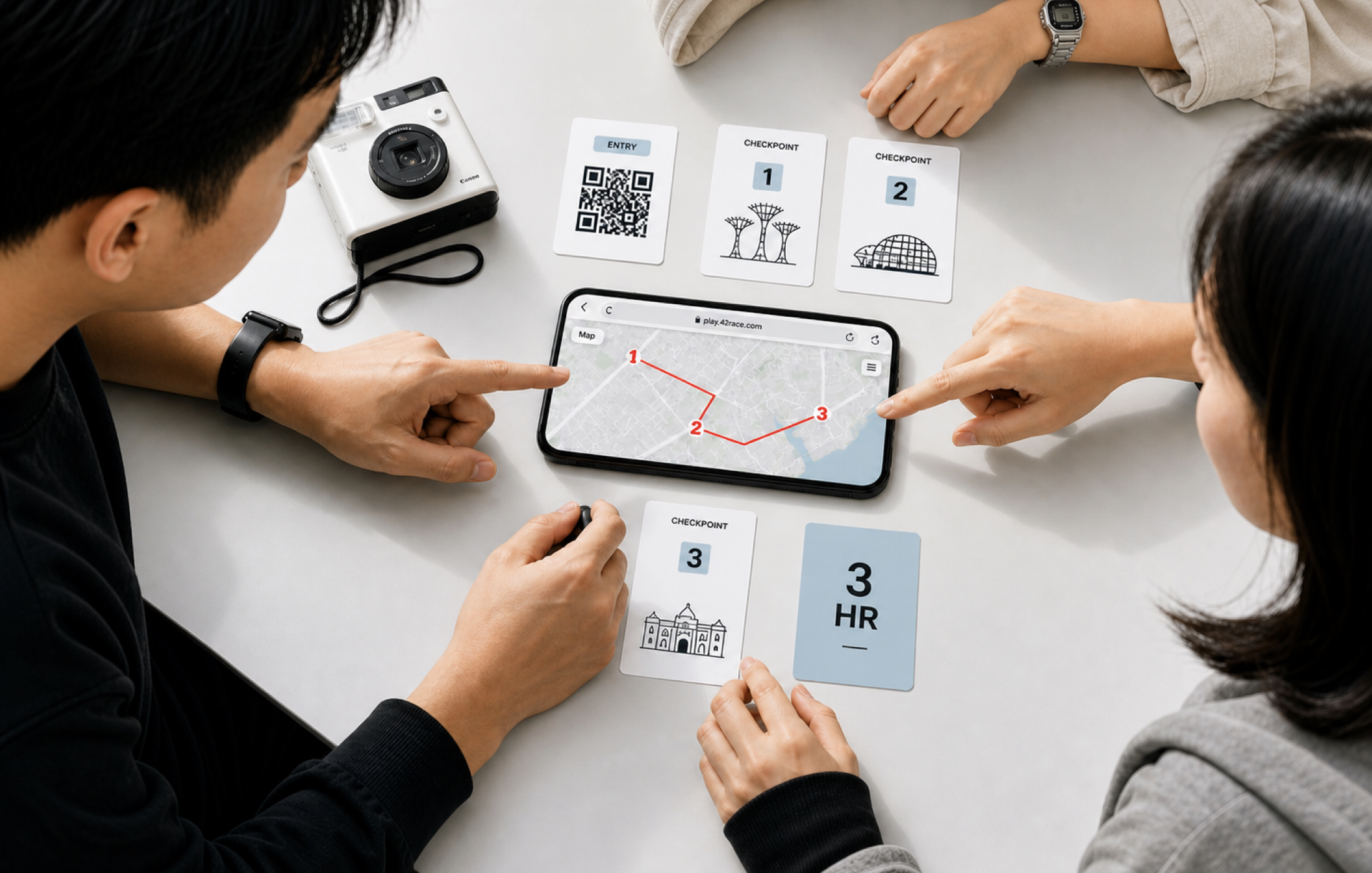
Practical, operational guide to designing an Amazing Race-style event for corporate teams: goals, format choices, logistics and inclusion.