You’re planning a team day in Singapore and the familiar choices loom: Amazing Race, scavenger hunt, outdoor obstacle course, virtual game, problem-solving workshop, wellness challenge or some hybrid of these. The real question isn’t which is ‘fun’ but which format actually hits your objective given your people, weather, venue and risk appetite—and what can go wrong in practice.
Match the format to the team, objective and constraint
Amazing Races and city scavenger hunts
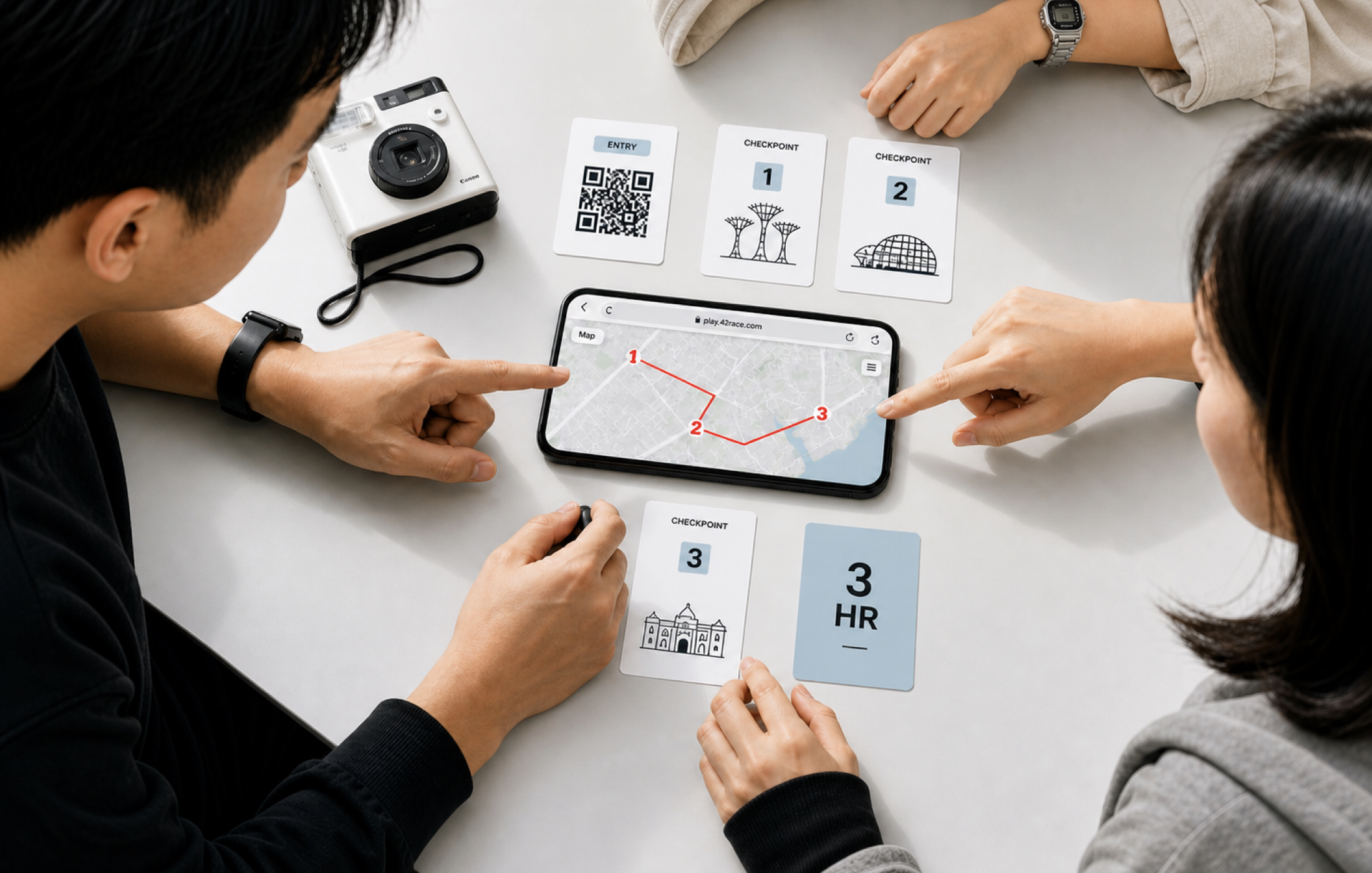
- Best when: your priority is collaboration under time pressure, communication and getting teams moving across a campus or city precinct. Works well for mixed-role groups who enjoy light competition.
- Practical trade-offs: expect queues at checkpoints, permissions for private spaces and heat or rain to blunt momentum in Singapore. Design shorter legs, shaded routes, and buffer time to avoid bottlenecks. Use photo/video missions rather than collecting objects to keep things legal and low-friction.
Outdoor challenges and obstacle courses
- Best when: you need clear physical engagement, resilience-building or an energiser for an already fit cohort. Good for short high-impact sessions.
- Practical trade-offs: mixed-ability teams can feel excluded. Provide parallel low-impact tasks, clear safety briefings and wet-weather indoor alternatives. Staffing for marshal and first-aid-ready volunteers matters more than you think.
Problem-solving workshops and tabletop simulations
- Best when: the goal is strategic alignment, role clarity or change-management skills. These formats let you script learning outcomes and measure behavioural shifts more reliably.
- Practical trade-offs: risk of passive participation. Keep groups small, rotate roles, and insist on practical outputs (e.g. a 10-minute action plan) rather than debrief slides.
Digital games and virtual escape rooms
- Best when: teams are remote or hybrid, geography matters, or you need a low-footprint option that scales across offices in Southeast Asia. They’re efficient for inclusive, low-physical-effort participation.
- Practical trade-offs: digital fatigue and varying home setups reduce engagement. Mix synchronous live facilitation with short breakout missions and visible leaderboards to keep momentum.
Wellness and movement challenges
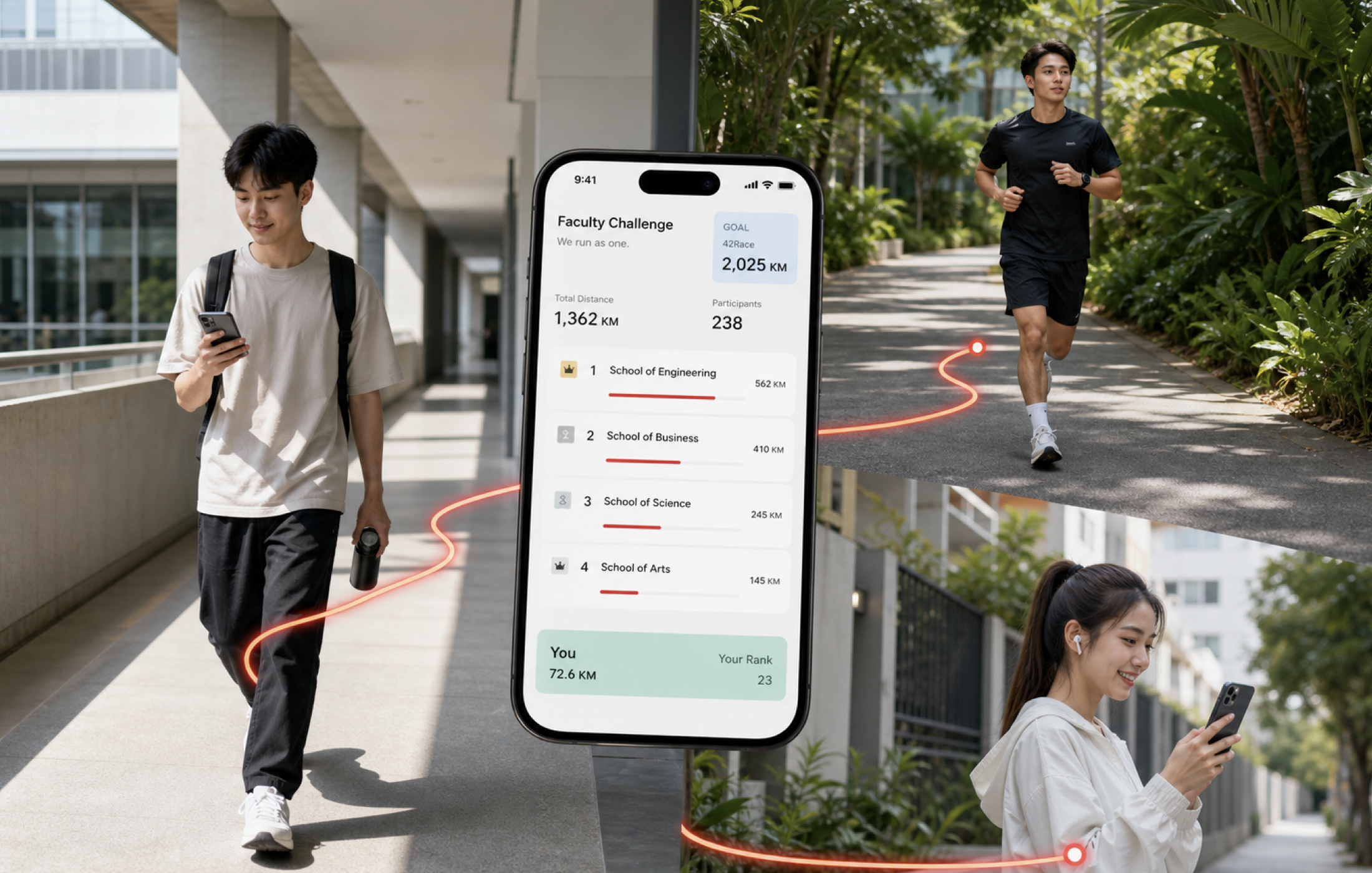
- Best when: the objective is sustained health behaviour, CSR-linked activity or boosting everyday wellbeing. Movement challenges that run over weeks create habit change better than one-off events.
- Practical trade-offs: tracking and privacy concerns are real. Use opt-in approaches, team-based step or activity goals, and clear guidance on acceptable tracking tools.
Hybrid team activities
- Best when: you must include remote staff while preserving on-site team energy. Combine a short in-person physical challenge with a parallel timed remote mission or shared scoring.
- Practical trade-offs: synchronisation is fragile. Keep total live time short, normalise small breaks for remote participants and use a simple scoring mechanic everyone can see.
Operational details organisers miss until they happen
- Queues form at attractive checkpoints—spread high-value tasks across the route and give teams flexibility in order.
- Mixed-ability inclusion is not an optional extra—design multiple ways to contribute to each mission.
- Heat and rain in Singapore change pacing: schedule core activities for mornings or sheltered sites, and always prepare an indoor contingency.
- Volunteer and marshal briefing time is a hidden cost; gamemasters must be empowered to make on-the-ground calls to keep flow.
Decide by answering three questions first: who must be included and how fit are they; what measurable behavioural outcome matters; and what constraints (weather, permits, time, budget) are non-negotiable. Once you know those answers, pick the format above that aligns most closely and stress-test it against the operational details listed.
Frequently Asked Questions
Which format suits large, mixed-location teams?
Hybrid formats that pair short local activities with parallel digital missions work best. Keep the live window short, use simple scoring visible to everyone and plan identical missions so remote and on-site teams contribute equally.
How do we make physical challenges inclusive for less-fit participants?
Design alternative roles for each task—navigator, timekeeper, communicator—or provide lower-intensity mission variants that carry equal points. Clear pre-event guidance and voluntary opt-in reduce embarrassment and boost participation.
What contingency planning should we build for Singapore conditions?
Always schedule a wet-weather indoor alternative and avoid long outdoor stretches during mid-afternoon heat. Factor in marshal staffing, water stations, shaded checkpoints and a time buffer to handle delays.