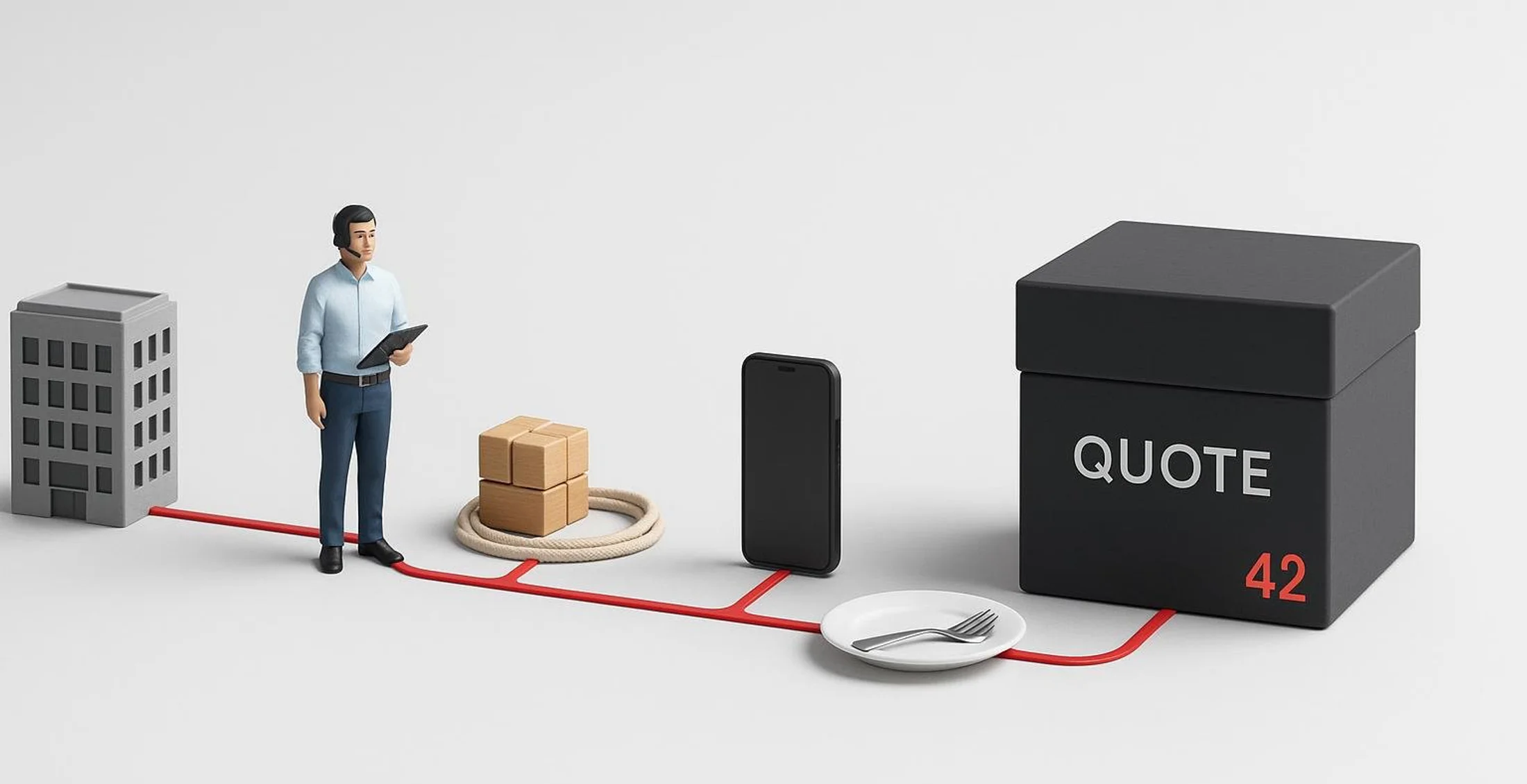
You need a budget figure for your next offsite, CSR day or staff activation — but every supplier hands you a different number. That familiar frustration is the point of this article: corporate team building cost Singapore isn’t a single line item. It’s the sum of choices you make about people, place and purpose. Here’s how to decode quotes so you can compare like with like and avoid unpleasant surprises.
Group size. Price is almost always quoted per person or per team bracket because more participants change staffing levels, venue scale and consumables. Small groups can be run in meeting rooms; large groups often need outdoor space, more facilitators and separate waves — all of which raise the quote.
Venue and permits. Indoor meeting rooms cost less than exclusive venues or outdoor public-space activations that require permits, carriage and contingency. A convenient office location will usually be cheaper than hiring a private event space or waterfront lawn.
Facilitators and expertise. Skilled facilitators, certified trainers or specialist gamemasters command higher fees than a basic MC. If your objectives include behavioural outcomes, leadership coaching or detailed debriefs, expect that reflected in the quote.
Activity complexity and materials. Low-complexity challenges (icebreakers, tabletop puzzles) need fewer props and preparation. Large-scale Amazing Race-style routes, physical obstacle setups, branded props or custom-built challenges increase logistics and setup time — and therefore cost.
Customisation. Off-the-shelf programmes are cheaper. Custom scenarios, company-branded missions, bespoke content aligned to strategy or industry, or inclusion of company values in scoring require design time and testing that suppliers price separately.
Technology. Digital elements — event apps, QR checkpoints, custom leaderboards, photo verification systems or analytics dashboards — add licence, development or integration costs. Some suppliers include a basic platform in the package; others itemise it as a line cost.
Duration and timing. Half-day sessions are less expensive than full-day events or multi-day retreats because of reduced staff hours, venue hire and catering. Evening or weekend slots may attract premium rates for labour and venue availability.
Catering, transport and prizes. Food, shuttle buses, printed collateral, trophies and participant kits are all quoted separately by many suppliers. Choosing higher-quality catering or travel support for off-site venues will noticeably inflate the final number.
Two quotes for the same headcount will diverge because suppliers make different assumptions: how many facilitators per 20 participants, whether setup is charged hourly, whether an app is included, or how much contingency they add for weather and permits. A low headline price can hide extras in travel, insurance, staffing overtime or digital features.
Give suppliers these essentials: number of participants and preferred date(s); objectives (team bonding, leadership, CSR); indoor/outdoor preference and venue constraints; desired duration; appetite for custom content or technology; and the budget range if you have one. Ask them to itemise facilitator ratios, what’s included in venue hire, technology licences and cancellation or wet-weather plans.
Compare line-item detail, facilitator experience, contingency plans and examples of outcomes. If learning outcomes matter, prioritise programmes with structured debriefs. If logistics are the pain point, favour suppliers who clearly manage permits, kit delivery and on-site staffing.
Frequently Asked Questions
Start sourcing quotes at least six to eight weeks before your preferred date for simple half-day events. For large groups, bespoke programmes, popular venues or events requiring permits, begin planning three months ahead to secure availability and allow time for custom design.
Yes. Prioritise facilitator quality and a strong debrief while simplifying physical props or reducing catering options. Use an office or low-cost venue, limit technology to essential features and run smaller active waves rather than a single large-scale production to save on staffing.
Look for unclear or missing line items such as facilitator ratios, travel/setup time, technology licences, wet-weather contingency and cancellation terms. Ask for a clear inclusions list and examples of previous programmes that achieved similar objectives before accepting a low headline price.
We can propose options matched to your preferred date, group size and outcomes.
BOOK A DEMO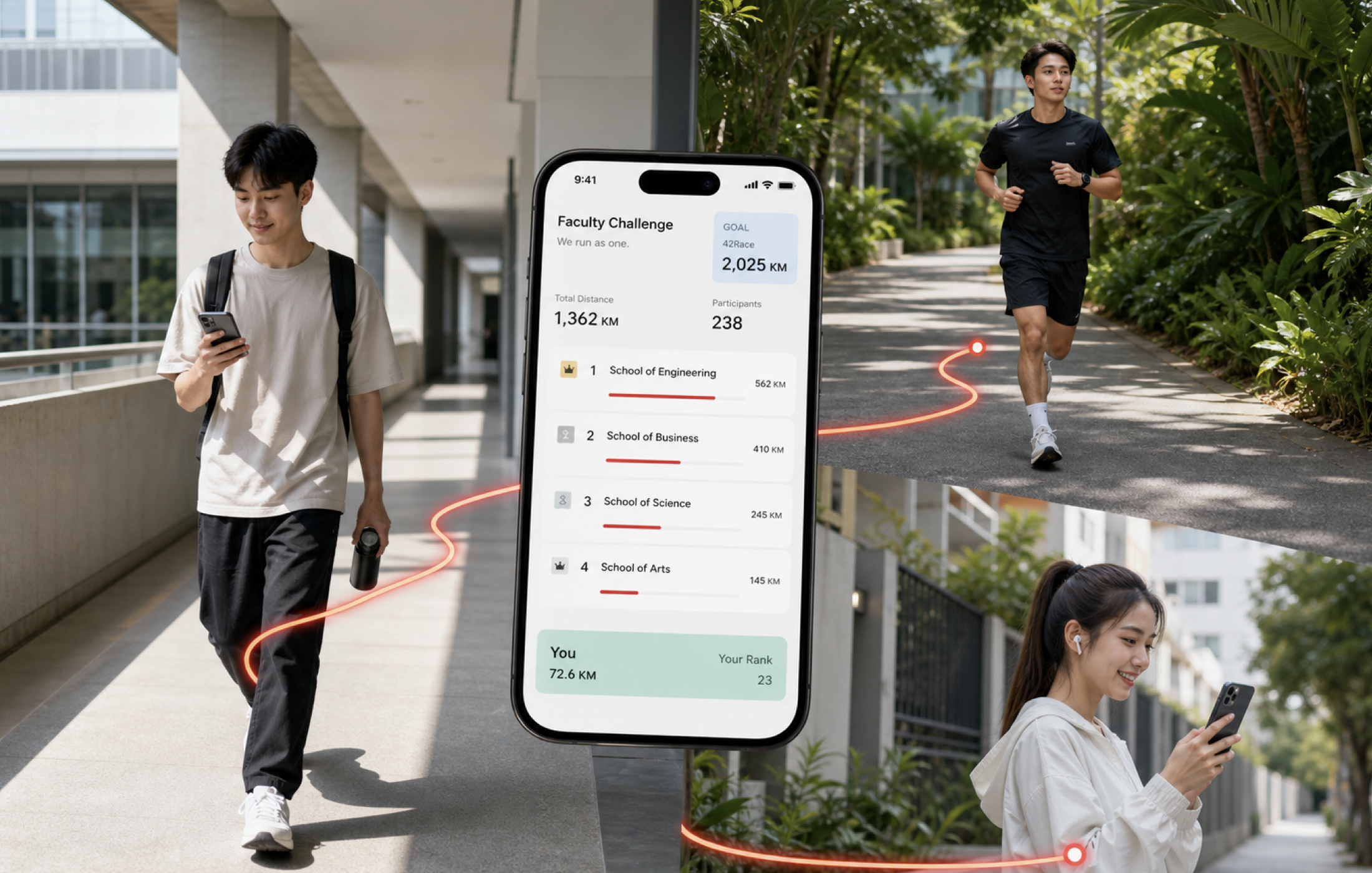
Virtual race offers a flexible, stress-free alternative to traditional running events by allowing participants to complete races at their own pace, on their own schedule.
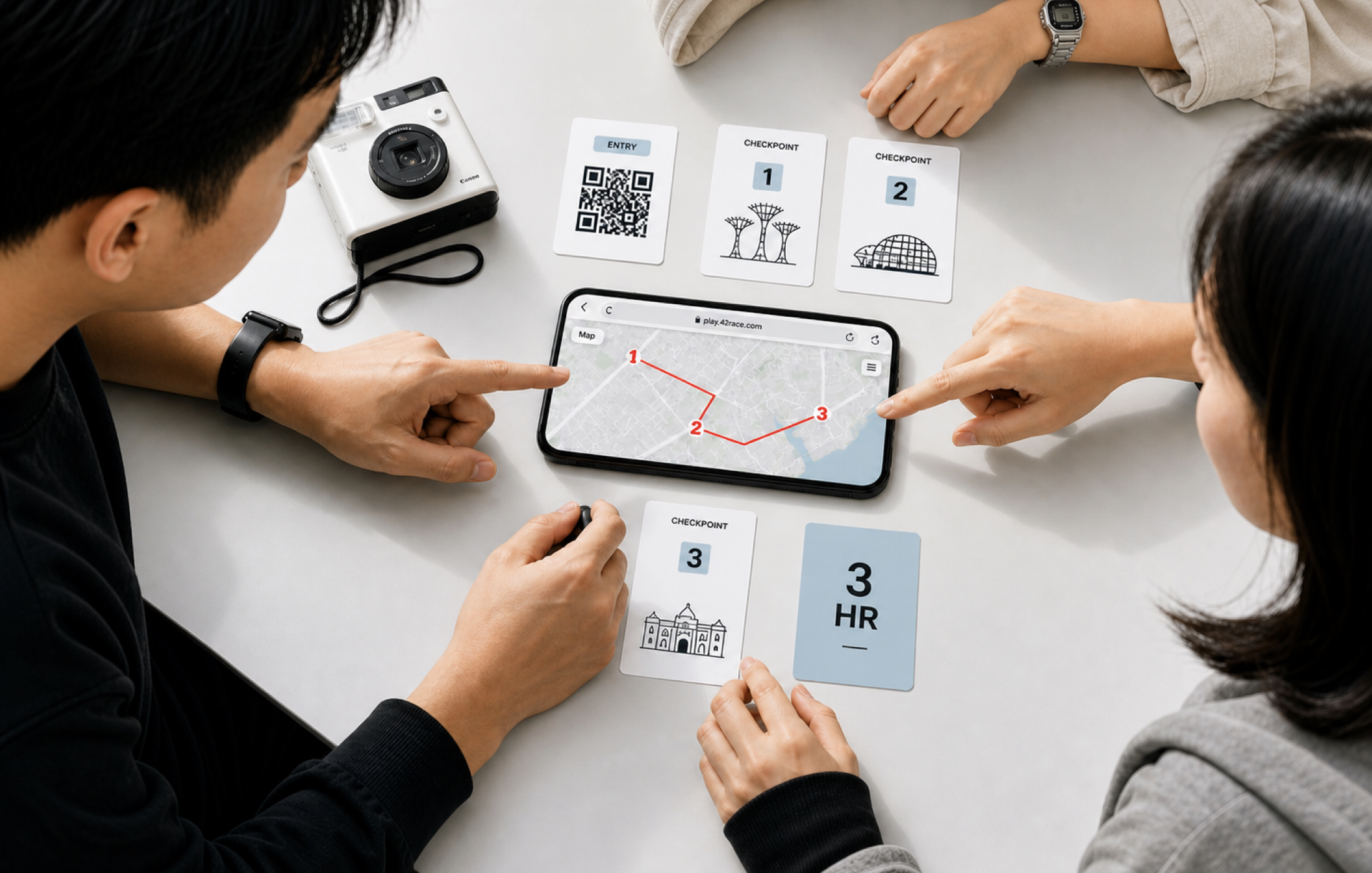
Practical, operational guide to designing an Amazing Race-style event for corporate teams: goals, format choices, logistics and inclusion.