
Organisers already under pressure often add points and leaderboards hoping for a quick engagement lift. The tension is familiar: gamification can motivate, but poorly chosen mechanics make an event feel forced or trivial. This corrected draft uses clear H2 headings so organisers can scan operational advice and apply it straight away.
Ask who you want to reach, what will motivate them and which behaviours matter: visiting a sponsor booth, completing a learning module, fundraising, or finishing a route. Map mechanics to those behaviours. Points only work when they track meaningful, verifiable actions.
Points: Reward behaviours that align with your objective and keep earning routes simple—one or two clear ways to score avoids confusion. Challenges: Use discrete, time-bounded tasks that vary in skill and effort so different team members can contribute. Leaderboards: Visible rankings suit competitive groups but can demotivate quieter participants; consider segmented or time-limited leaderboards. Rewards and progression: Combine instant rewards (badges, small perks) with milestone incentives so both casual and competitive players feel recognised.
Points without a clear purpose feel arbitrary. If participants cannot see what points mean or how they translate to outcomes, activity drops. Likewise, opaque verification or slow manual checks adds friction and reduces completion rates. Design transparent, low-friction verification from the start.
Corporate away-days: Create role‑specific challenges so marketing, ops and creative staff each have meaningful ways to contribute. Fundraising events: Make donation milestones visible and social so peer recognition helps convert donors. Community activations: Use lightweight photo missions and digital checkpoints that avoid approaching the public or entering private premises without permissions.
Stronger competition raises engagement for some but increases drop‑out risk for others. Heavy verification reduces fraud yet adds friction. Choose inclusion when your objective is broad participation; choose competition when you want intense, short‑term activity.
If you start with the behaviour you want to encourage and build simple, transparent mechanics around it, gamification stops being performative and starts doing work for your event.
Start with the event objective and list the actions that directly support it—for example, visiting a partner booth, completing a safety module or raising donations. Prioritise behaviours that are simple to verify and clearly tied to your goals.
Use QR-code scans, short timestamped photo uploads or one-click confirmations inside your event app. Avoid complex manual checks; if verification feels like a chore, participation will drop.
Yes. Use segmented leaderboards by office, team size or ability band, and short sprint leaderboards so more people can see achievable wins and build momentum. Also provide non-competitive progression like badges or milestones for casual participants.
We can build a short, practical gamification plan that maps behaviours to mechanics and checks.
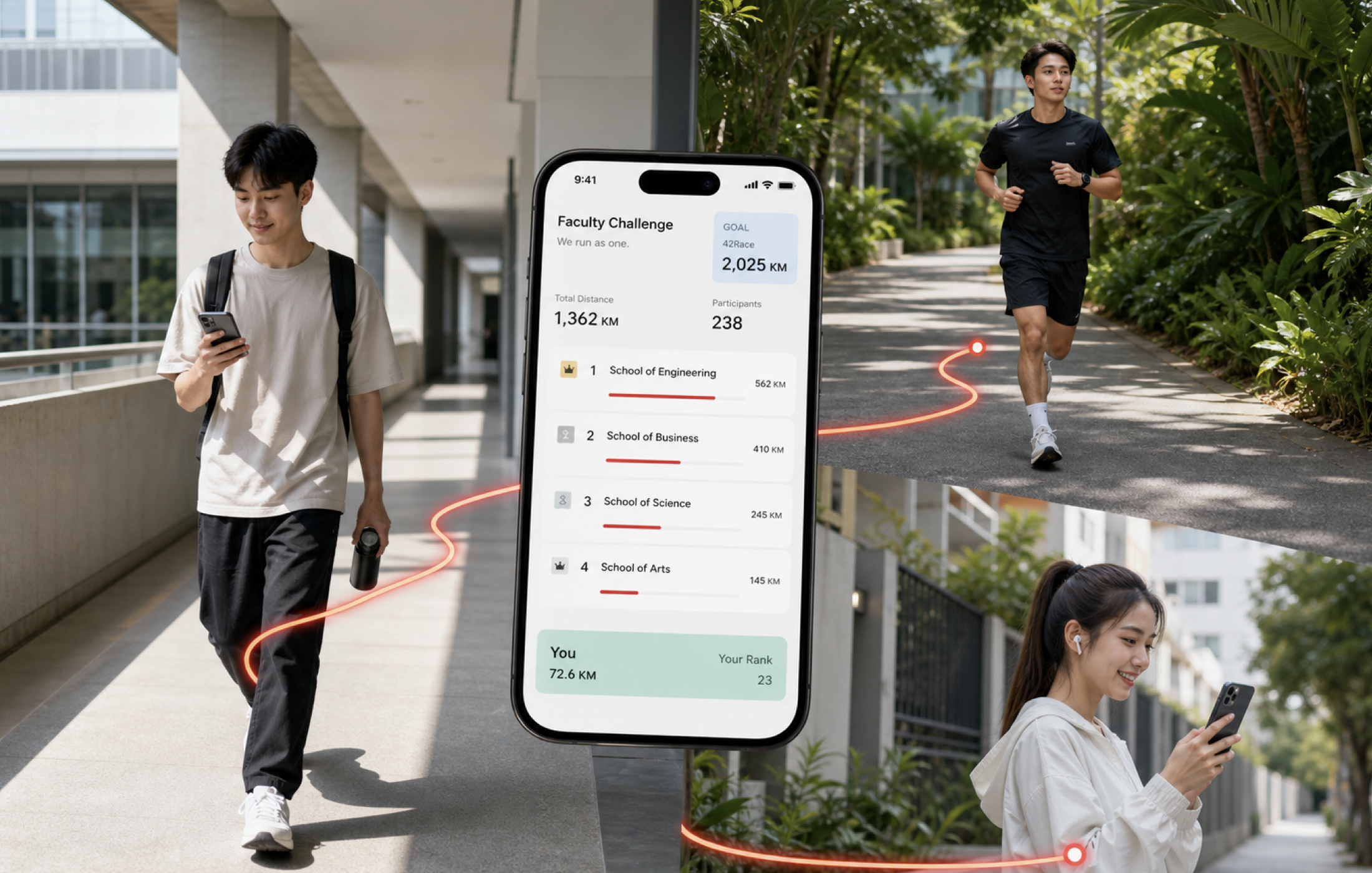
Virtual race offers a flexible, stress-free alternative to traditional running events by allowing participants to complete races at their own pace, on their own schedule.
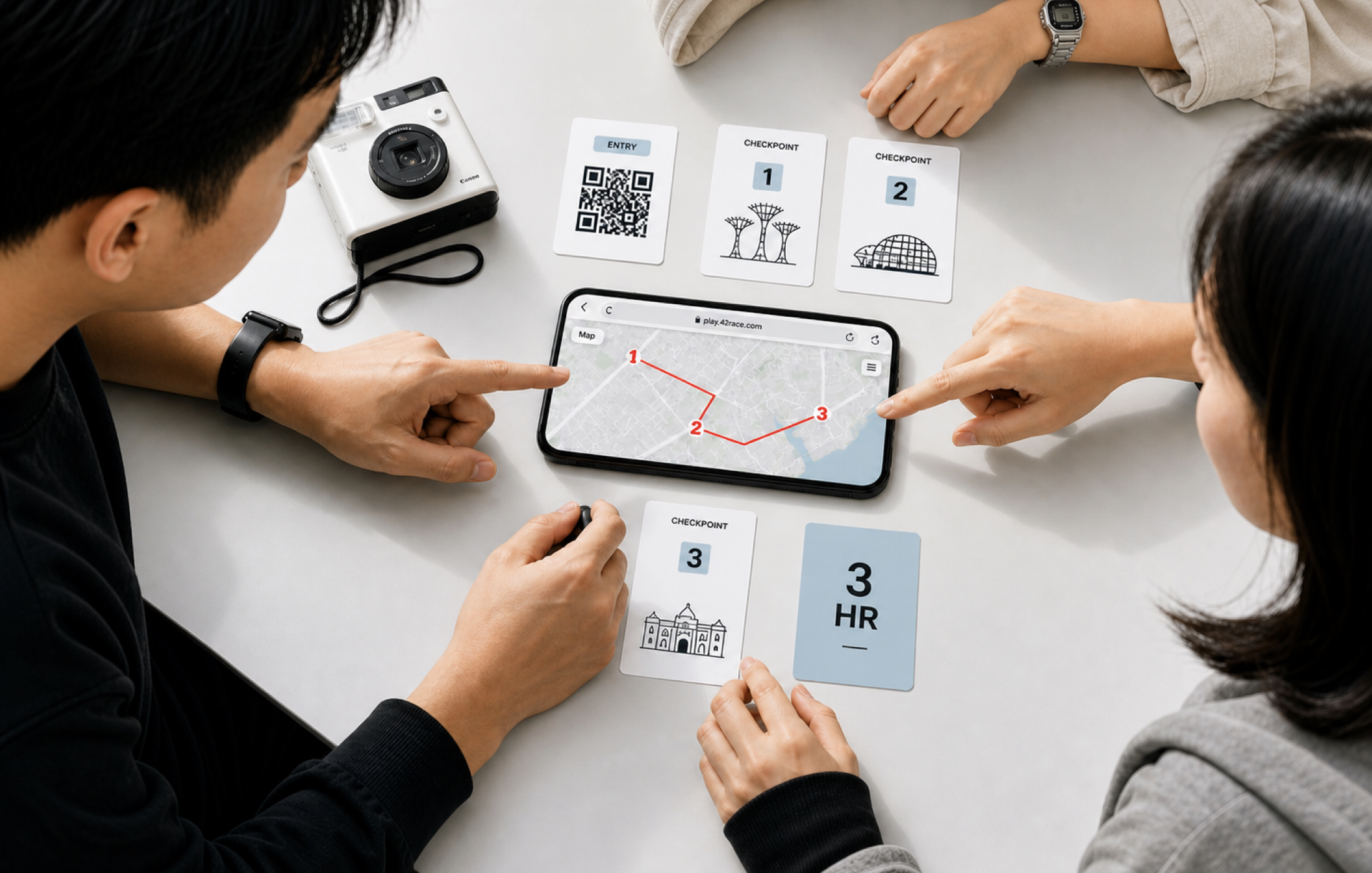
Practical, operational guide to designing an Amazing Race-style event for corporate teams: goals, format choices, logistics and inclusion.