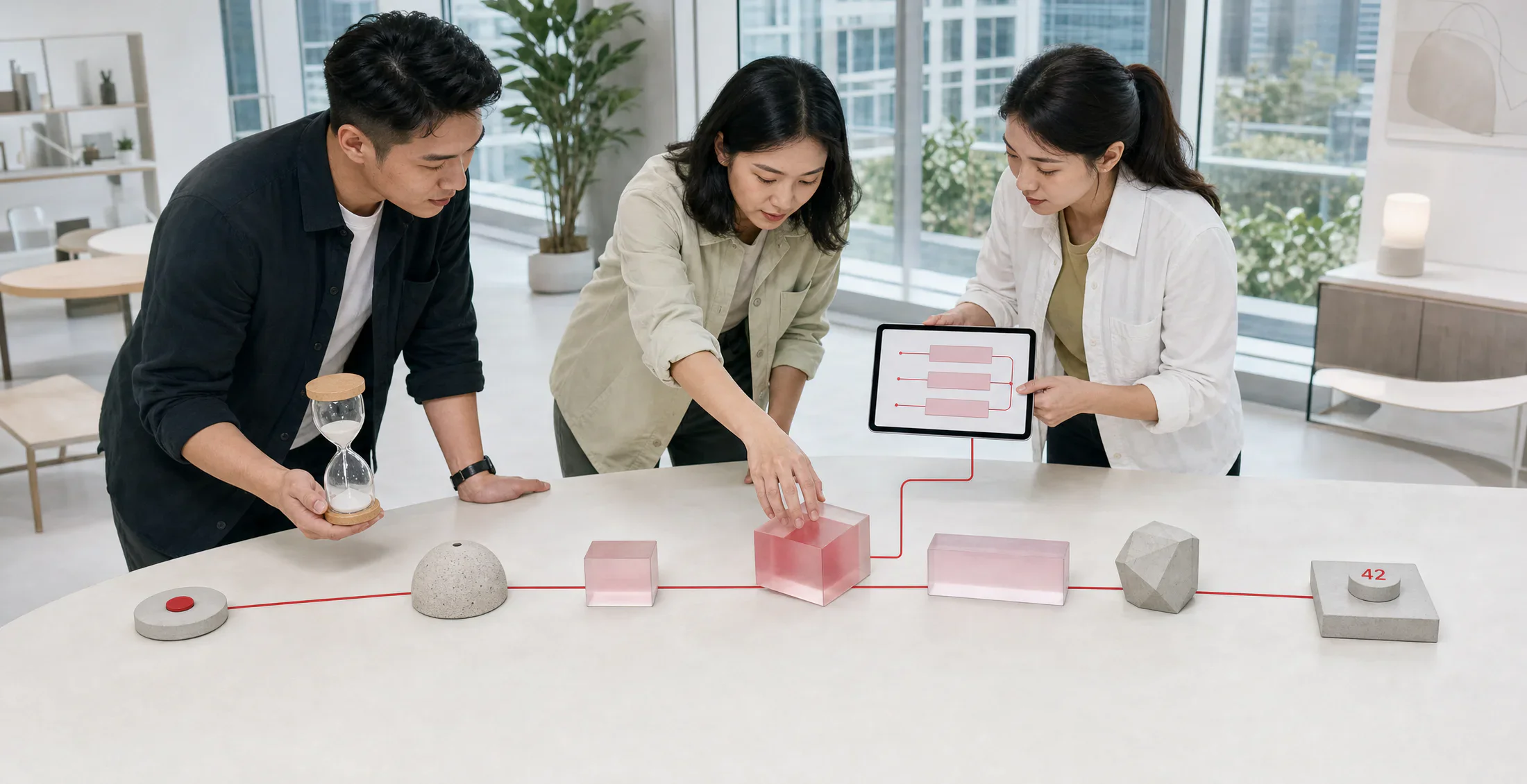
You’ve been asked to run an Amazing Race for employees and the first question lands immediately: how long should it be? The right corporate Amazing Race duration shapes everything else — checkpoint design, travel, volunteer needs, risk and whether participants leave energised or exhausted.
If the goal is a quick team boost between meetings, choices are different from a multi-site CSR activation or a regional offsite. Below is a practical comparison of five common durations and the trade-offs each creates.
Use when time is tight and participation must fit a lunch hour or conference break. Expect few checkpoints, minimal travel (ideally within one campus or building), short micro-challenges and very light scoring. Complexity and storytelling are tiny; the activity is about energy and inclusion rather than depth. Logistics are forgiving, but queues or slow teams can kill the format fast.
Adds room for two or three checkpoint types: puzzle, photo mission and one physical task. Travel remains local to avoid lost time. This slot lets you introduce a light narrative or company theme and one short break. It suits mixed-ability teams better because there’s time to rotate roles, but planners must guard against bottlenecks at popular tasks.
A reliable corporate Amazing Race duration for half-day mornings or afternoons. You can design 6–8 checkpoints with short transit between them, meaningful storytelling beats and a clear scoring system. Include a scheduled rest or snack stop. Volunteer and marshalling needs rise: you’ll need checkpoint hosts, faster task turnover and contingency plans for weather in outdoor routes.
This is where storytelling becomes plausible. With more checkpoints and slightly longer travel, you can stage longer missions, community or CSR elements, and richer team roles. Breaks, photos and debriefs are expected. Operational complexity increases: permits, transport between sites, and measured pacing to avoid fatigue.
Use sparingly and only when objectives demand immersion: large-scale CSR deliverables, multi-venue experiences, or regional team bonding. Expect sustained logistics: meals, first-aid planning, clear rest cycles and strong gamemaster oversight. Longer duration allows complex narratives, layered scoring and post-event reflection, but risks dropouts and late fatigue if pacing is wrong.
Decide by matching time to your core objective, venue constraints and participant profile. When in doubt, favour slightly shorter: it preserves energy, reduces risk and keeps logistics manageable.
Rather than a fixed number, scale checkpoint complexity to time. Short formats use fewer, simpler checkpoints; two-hour races can support 6–8 mixed tasks, and half/full-day events allow longer, deeper missions.
Yes. Heat and sudden rain affect pacing and breaks, so plan shorter travel legs, shaded or indoor fallback checkpoints and regular hydration breaks when operating outdoors in Singapore.
For under two hours include micro-breaks or a quick refreshment point. Beyond two hours schedule a proper snack or meal stop and factor this into timing, volunteer rostering and route planning.
We can design an Amazing Race aligned to your time, venue and engagement goals.
BOOK A DEMO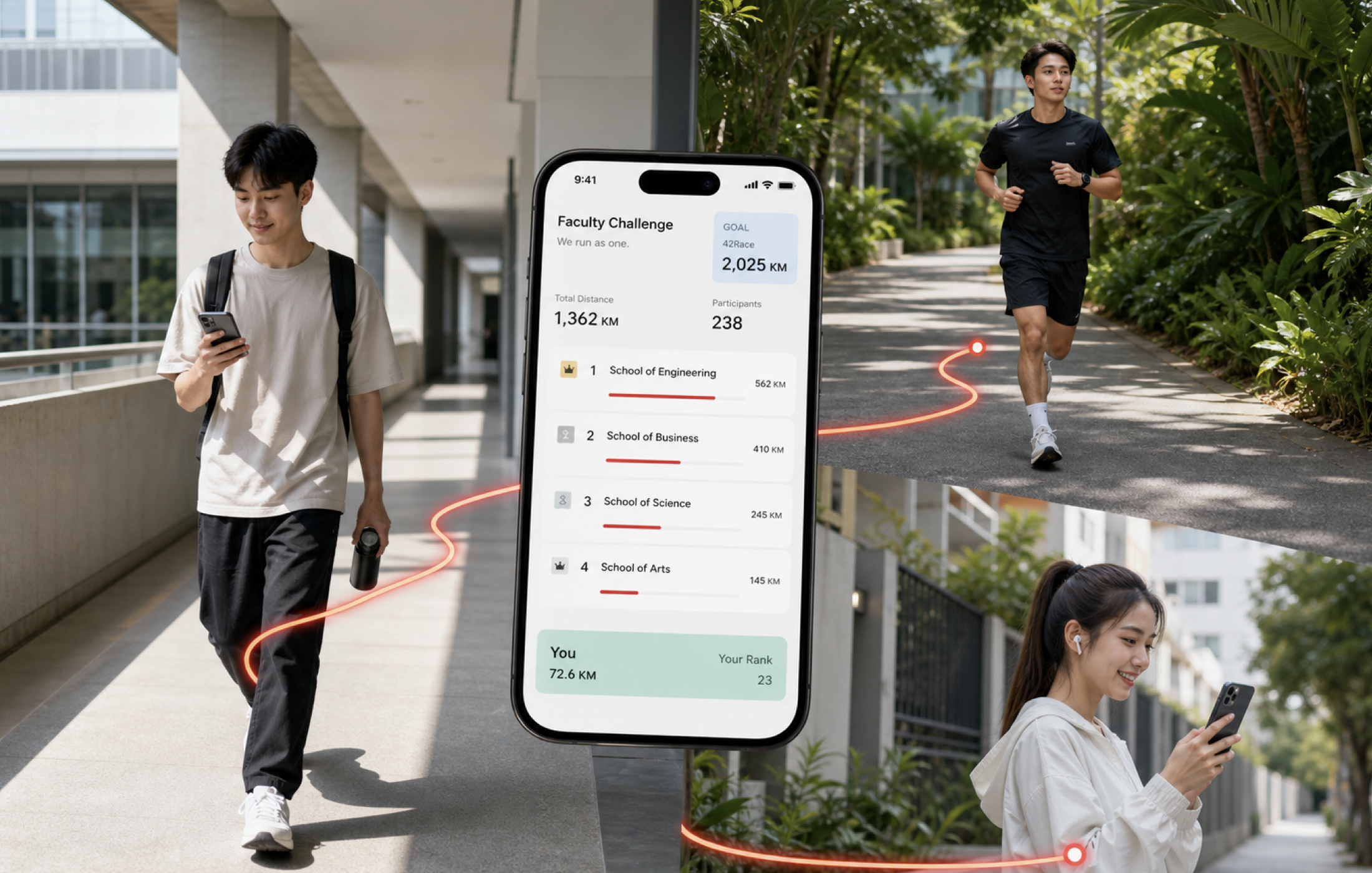
Virtual race offers a flexible, stress-free alternative to traditional running events by allowing participants to complete races at their own pace, on their own schedule.
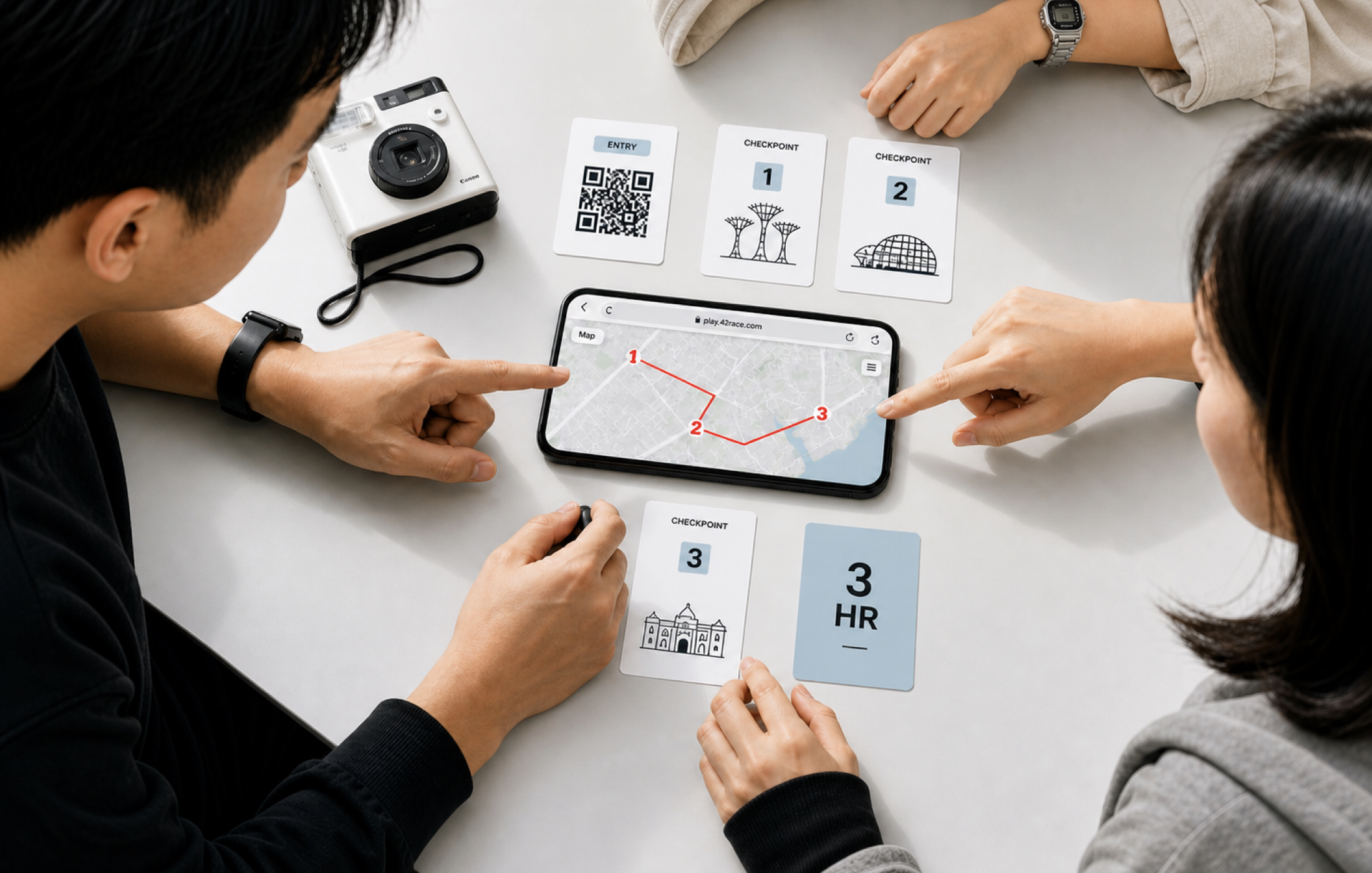
Practical, operational guide to designing an Amazing Race-style event for corporate teams: goals, format choices, logistics and inclusion.