
You’ve been asked to run one campaign that must hit engagement targets, show measurable social impact and still feel frictionless for employees. That’s the exact tension HR and CSR teams face: CSR owns the cause and outcomes; HR owns participation and the employee experience. The successful campaigns are the ones that make those boundaries obvious and then design tight handoffs between them.
Start by clarifying decision rights. CSR should set the cause, select and manage the charity partner, define impact metrics and approve public messaging about outcomes. HR should own timing, internal communications, incentives, team structures and on-the-ground logistics like RSVP flows and volunteer scheduling. Technology sits between them: registration, participation tracking, team formation, photo/video mission collection and consolidated impact reporting belong to the platform as the operational truth.
Create a simple shared governance thread. A two-person steering group—one from CSR, one from HR—meets weekly in the 8–12 weeks before the campaign. Their remit: approve major milestones, settle trade-offs (for example, whether fundraising or volunteer hours take priority) and greenlight creative assets. All other decisions should be delegated with clear escalation rules and deadlines.
Define the handoffs in writing. Examples: CSR hands over charity API/impact templates and approval for fundraising language by week 6; HR delivers the internal comms calendar, incentive rules and staff lists by week 5; tech confirms registration fields, team cap and reporting schema by week 4. These checkpoints stop late changes that create operational chaos.
Workflow that works in practice:
Practical trade-offs to expect. If CSR requires strict donor verification, registration friction rises; HR must decide if that will depress sign-ups. If HR wants open, social-led team formation, CSR must accept looser control of donor-level data. The steering group should prioritise which outcome matters most and choose the lesser friction path.
Technology simplifies many of these tensions. A single platform can enforce data fields, provide live dashboards for both teams, automate receipts for donors, capture volunteer hours and produce a single post-campaign report aligned to CSR’s impact metrics. When tech is treated as the source of truth, governance becomes lighter and operations scale cleanly across offices in Singapore and the region.
CSR should lead charity selection because they own the cause alignment and due diligence. HR should be consulted on operational implications, such as volunteering windows and data requirements, so the chosen partner won’t create undue registration friction.
Use a single technology platform that captures registration, donations, volunteer hours and creative submissions into one dataset. That lets HR monitor participation metrics while CSR pulls verified impact figures for external reporting from the same source.
Form a small steering group with one representative from CSR and one from HR empowered to make decisions between weekly checkpoints. Document delegated decision rights and include a short escalation path for disputes to avoid stalling operational work.
We can show how the platform connects charity reporting with employee registration and engagement.
BOOK A DEMO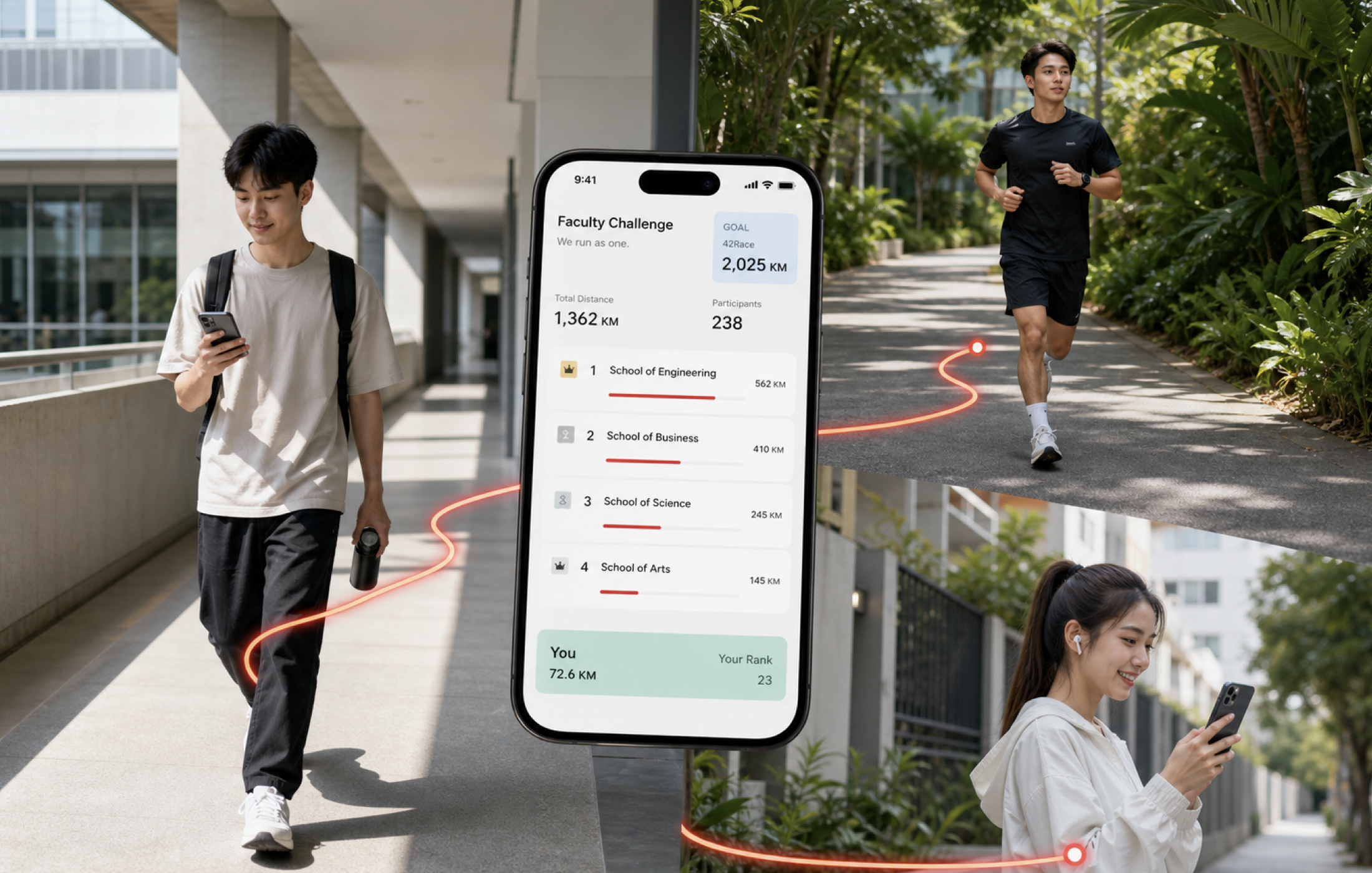
Virtual race offers a flexible, stress-free alternative to traditional running events by allowing participants to complete races at their own pace, on their own schedule.

Practical, operational guide to designing an Amazing Race-style event for corporate teams: goals, format choices, logistics and inclusion.