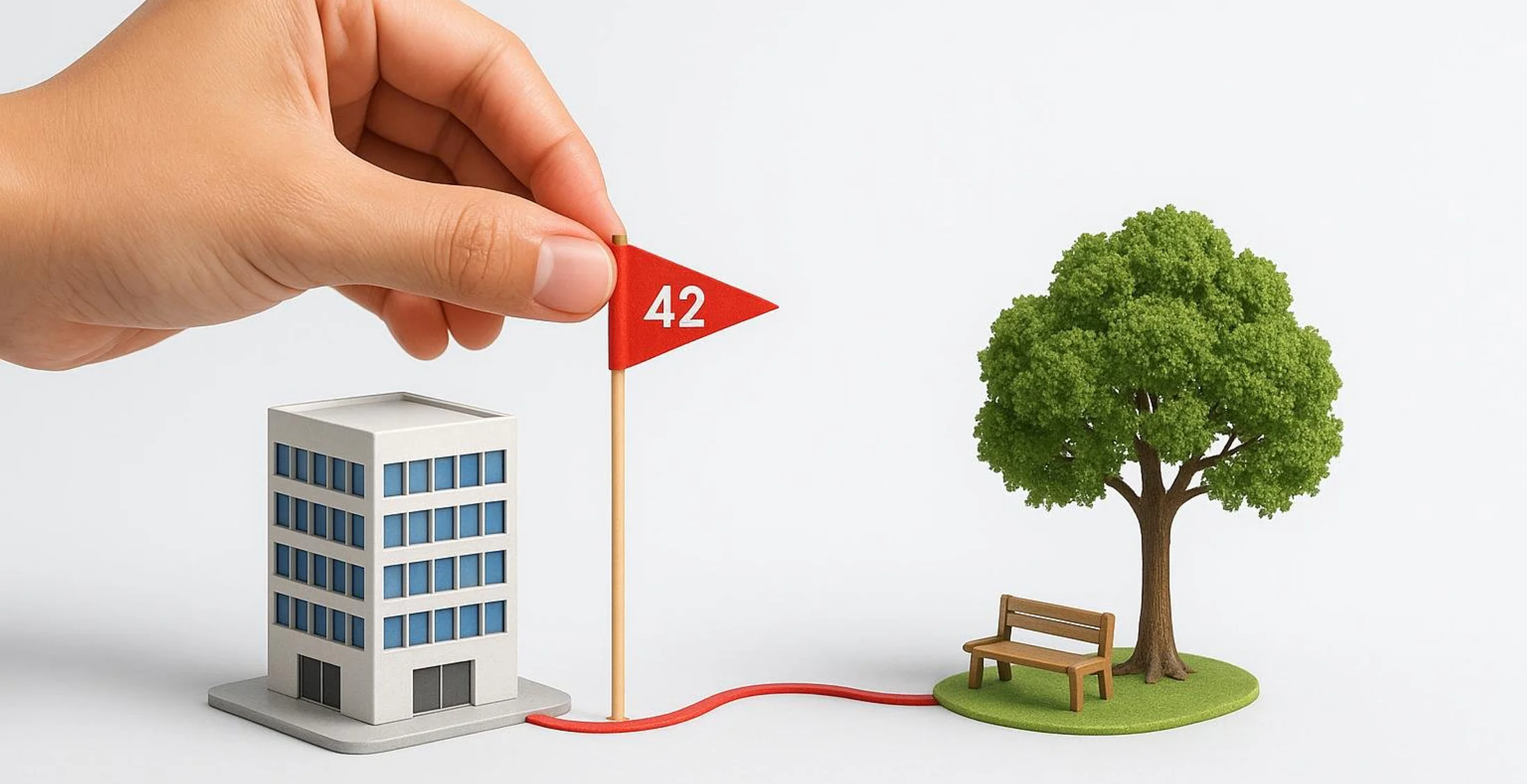
Who in HR hasn't had to choose between booking a function room or reserving a park for a company day — knowing either choice will please some people and frustrate others? The practical question isn't which is objectively better, but which format fits your people, objectives and the realities of Singapore or Southeast Asia: heat, rain, transport and workplace schedules.
Decide by answering three quick operational questions: What outcome matters most (collaboration, celebration, skills, CSR)? How many people will join? And what constraints matter most (budget, accessibility, weather risk)? Use those answers to weigh the factors below.
Outdoor events offer fresh air and space but are vulnerable to heat, sudden rain and public-space restrictions. In Singapore, heat and monsoon windows matter: midday outdoor sessions need shade and water stops, while a wet forecast requires a clear indoor fallback. Indoor events are predictable and climate-controlled; if your plan cannot tolerate disruption, favour indoor or a hybrid with an indoor backup.
Large groups often need outdoor space to avoid feeling crowded; parks or business-campus courtyards scale naturally. Smaller groups gain intimacy indoors where breakout rooms and AV work well. Check venue flow — indoor rooms can bottleneck at check-in or food stations, while outdoor sites need clear circulation and sun/rain shelter.
If participants include colleagues with mobility limitations or those who prefer shorter walking distances, indoor venues usually win. Outdoor routes introduce uneven surfaces and longer walks; they also demand transport planning and permits more often than hired halls do.
Outdoor formats suit active, physical missions and visible spectacle that lifts energy quickly. Indoor formats favour focused problem-solving, workshops, quizzes and tech-driven puzzles. Consider mixed abilities: provide low-physical alternatives for outdoor missions so everyone can contribute without sidelining anyone.
Outdoor sites can be inexpensive for space but add hidden costs: permits, marquees, extra toilets, water, security and weather contingency. Indoor venues bundle services (AV, seating, F&B) which simplifies logistics though hire fees may be higher. Which is cheaper depends on what you must provide, not the headline room rate.
Climate control, accessible bathrooms and quiet breakout corners make indoor events more reliably inclusive. Outdoors you must design inclusion actively — shaded rest areas, seating near challenge sites and alternative roles for less mobile team members.
If your aim is casual bonding and visible team spirit, outdoor challenges and public missions create memorable moments. For measurable skills transfer, behavioural coaching or complex debriefs, indoor workshops with structured reflection produce better learning outcomes.
Choose hybrid when you want the energy of outdoors with the reliability of indoor spaces: morning outdoor challenges, afternoon indoor debriefs, or simultaneous stations. Always publish a clear contingency plan at registration (what happens if it rains, transport changes, or a participant needs quieter space).
Make the call by matching format to the dominant constraint. If weather and accessibility matter most, pick indoor (or indoor-first hybrid). If scale, spectacle and high-energy participation are the priority — and you can manage permits and contingency — pick outdoor. The best programmes combine both thoughtfully so logistics and objectives reinforce each other rather than clash.
Plan for heat and sudden rain by avoiding midday exposure, providing shaded rest points, hydration stations and an indoor fallback. Publish the contingency plan at registration so participants know what to expect and you can manage supplier changes quickly.
Yes, but it requires deliberate design: shorter routes, seating near activity stations, transport stops close to checkpoints and alternative roles in challenges. Test the route for surface and gradient issues and communicate accessibility details before the event.
Choose hybrid when you want high-energy outdoor activity plus reliable indoor facilitation or debriefs, or when weather risk is significant but outdoor elements add value. A hybrid needs clear scheduling, transport between locations and budget for both venue types.
We can map your objectives, participant mix and venue constraints into a clear indoor/outdoor recommendation and contingency plan.
BOOK A DEMO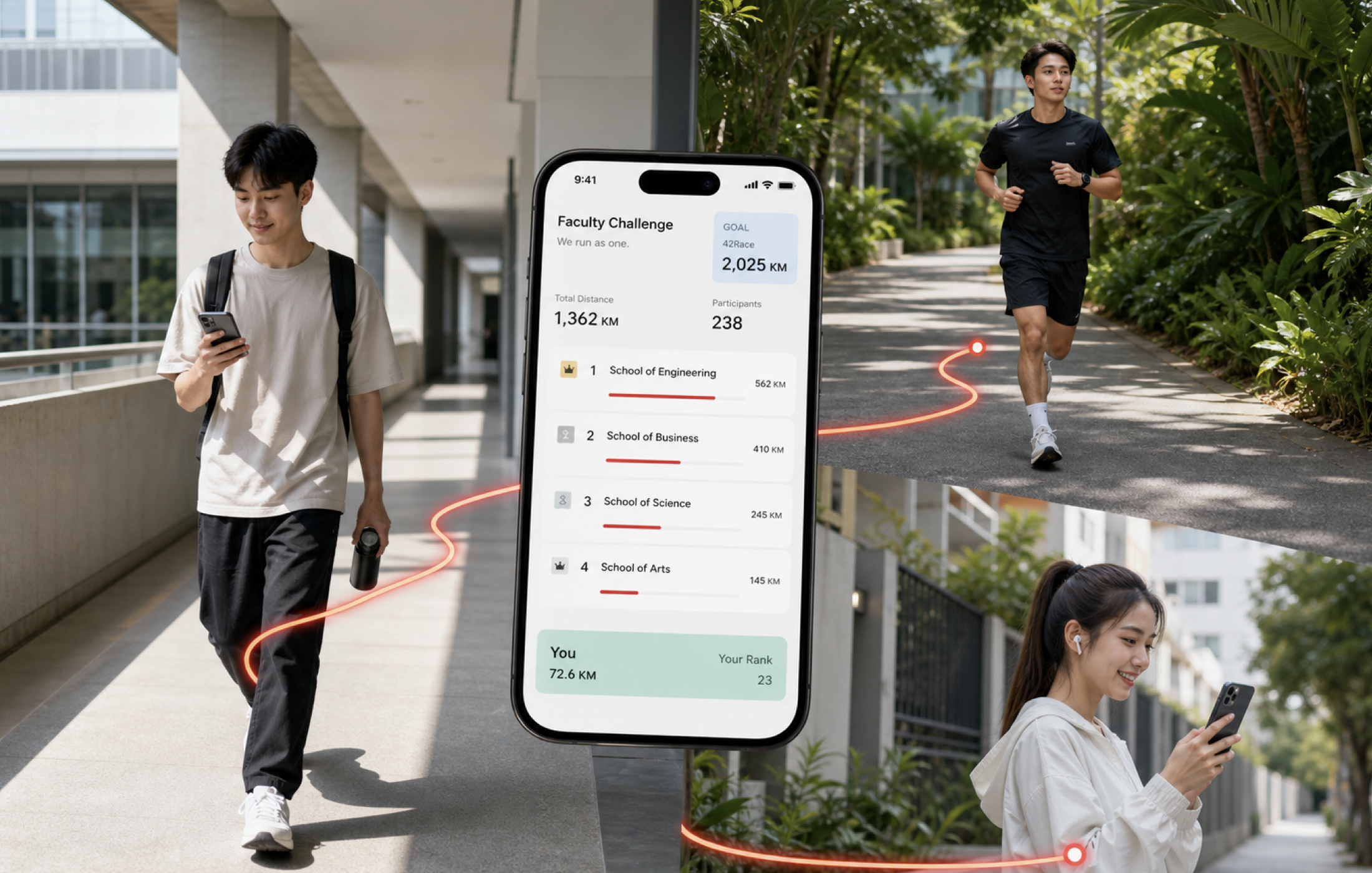
Virtual race offers a flexible, stress-free alternative to traditional running events by allowing participants to complete races at their own pace, on their own schedule.
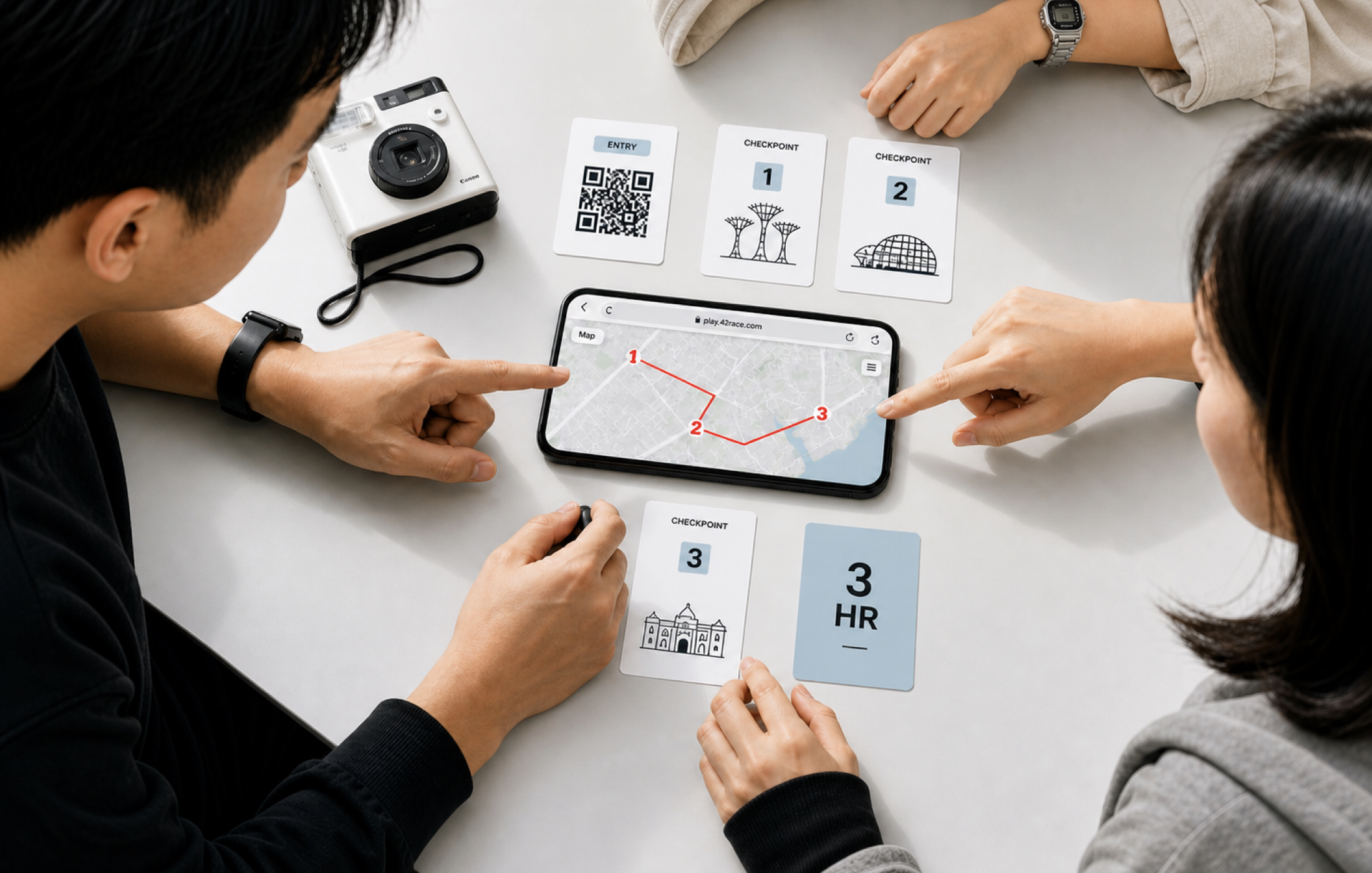
Practical, operational guide to designing an Amazing Race-style event for corporate teams: goals, format choices, logistics and inclusion.