You’re planning an away day or CSR activation and the usual question arrives: will people engage, will logistics explode, and will the activity actually build anything beyond a photo? This list of outdoor team building activities in Singapore focuses on what each format develops and who it suits, so you can pick by outcome rather than trend.
What it develops: cross-functional leadership, time pressure decision-making and simple navigation skills. Who it suits: larger teams who enjoy competitive formats and mixed-skill groups where quick role allocation matters.
What it develops: local knowledge, collaborative problem-solving and observational skills. Who it suits: client-facing teams, regional staff and groups wanting a curated urban route that highlights neighbourhoods without heavy physical demands.
What it develops: tech-enabled coordination, asynchronous teamwork and digital reporting habits. Who it suits: dispersed teams, hybrid staff and companies that want measurable checkpoints and minimal equipment on the day.
What it develops: creative collaboration, brand storytelling and visual briefing skills. Who it suits: marketing teams, comms groups and any unit that benefits from framing messages visually and practicing brief-and-review cycles.
What it develops: structured problem-solving, delegation and low-tech prototyping. Who it suits: teams that prefer hands-on, puzzle-based tasks with controlled materials and clear learning outcomes.
What it develops: cultural awareness, listening and research skills plus low-intensity exploration. Who it suits: cross-cultural cohorts, onboarding groups and companies using local history to frame corporate values.
What it develops: spatial orientation, logistics planning and rapid debriefing under time limits. Who it suits: organisations hosting multi-site events, new hires needing to learn a campus, or teams who must operate across several locations.
What it develops: collective goal-setting, pacing and mutual encouragement rather than pure competition. Who it suits: wellness-minded organisations and mixed-ability groups when options for walking, jogging or cycling are offered.
What it develops: purpose alignment, practical civic engagement and reflective team learning. Who it suits: CSR leads and sustainability-focused companies wanting outdoor activity that doubles as a community contribution without promising permissions or guarantees.
What it develops: rapid skill exchange, peer teaching and short-form facilitation practice. Who it suits: professional services firms and learning-focused teams who want short stations combining manuals, micro-mentoring and outdoor debriefs.
Choose by outcome, not novelty. If you need everyone included, prefer low-physical, creative or digital formats. If the goal is measurable teamwork under pressure, choose a timed checkpoint model like an Amazing Race or location-based missions. In every case, plan simple flows, clear role prompts and fallback shelter or shade for Singapore’s heat and frequent rain.
Most formats scale: a heritage trail or city treasure hunt uses public routes rather than a single footprint, while problem-solving stations and fitness challenges need managed areas such as parks or campus courtyards. Match activity scale to your team size and plan clear crowd-flow to avoid bottlenecks.
Yes, but weather and heat matter. Schedule earlier or later in the day, provide shade and water, and offer lower-intensity options for humid conditions. Always communicate what participants should bring and how long each segment lasts.
Decide outcomes first: collaboration, creativity, fitness or CSR impact. Use simple post-event surveys, mission completion rates, debrief reflections and a short leaderboard or photo evidence to capture results and learning.
We can design an activity mix tailored to your team size, timing and desired outcomes.
BOOK A DEMO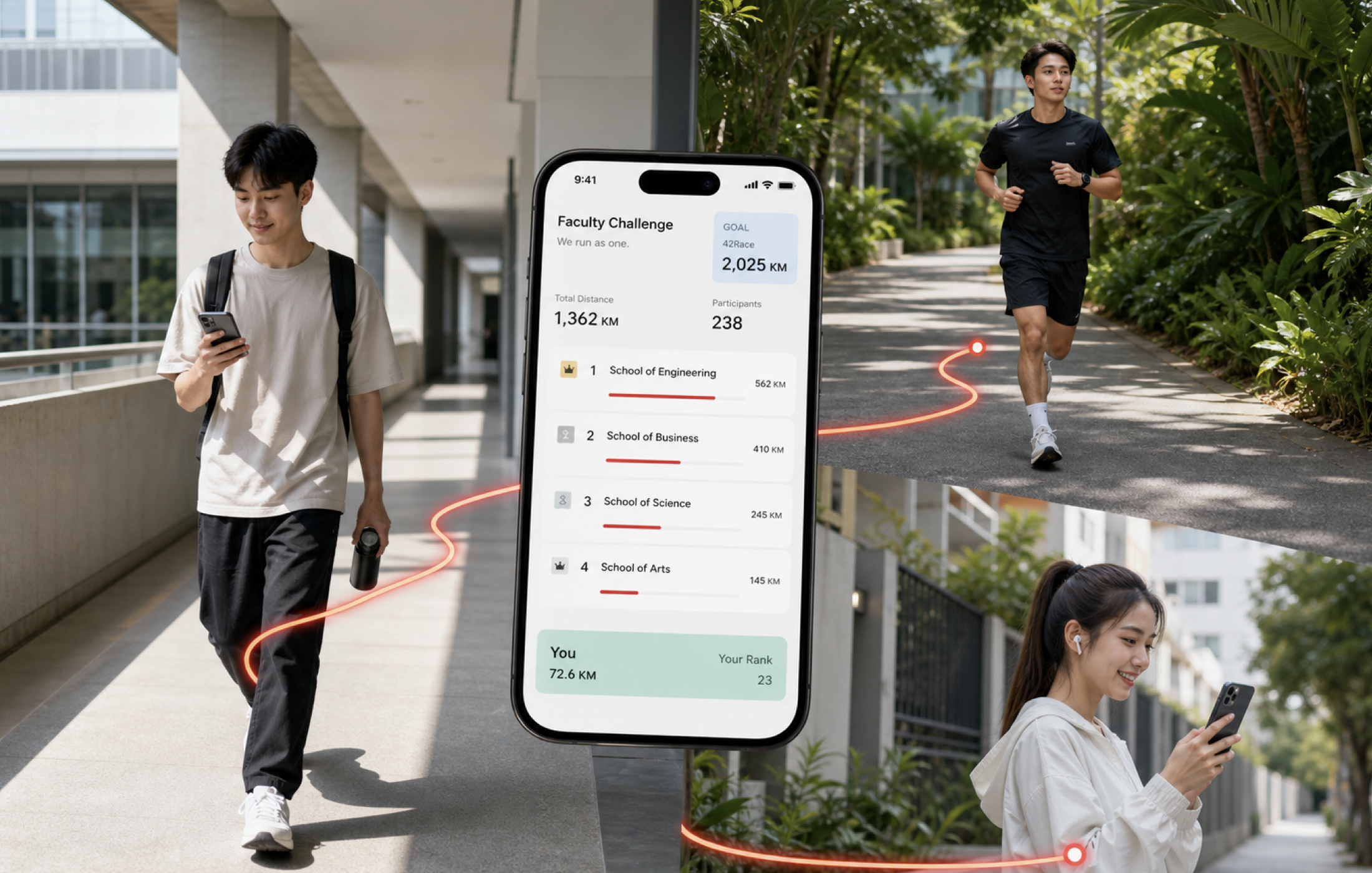
Virtual race offers a flexible, stress-free alternative to traditional running events by allowing participants to complete races at their own pace, on their own schedule.
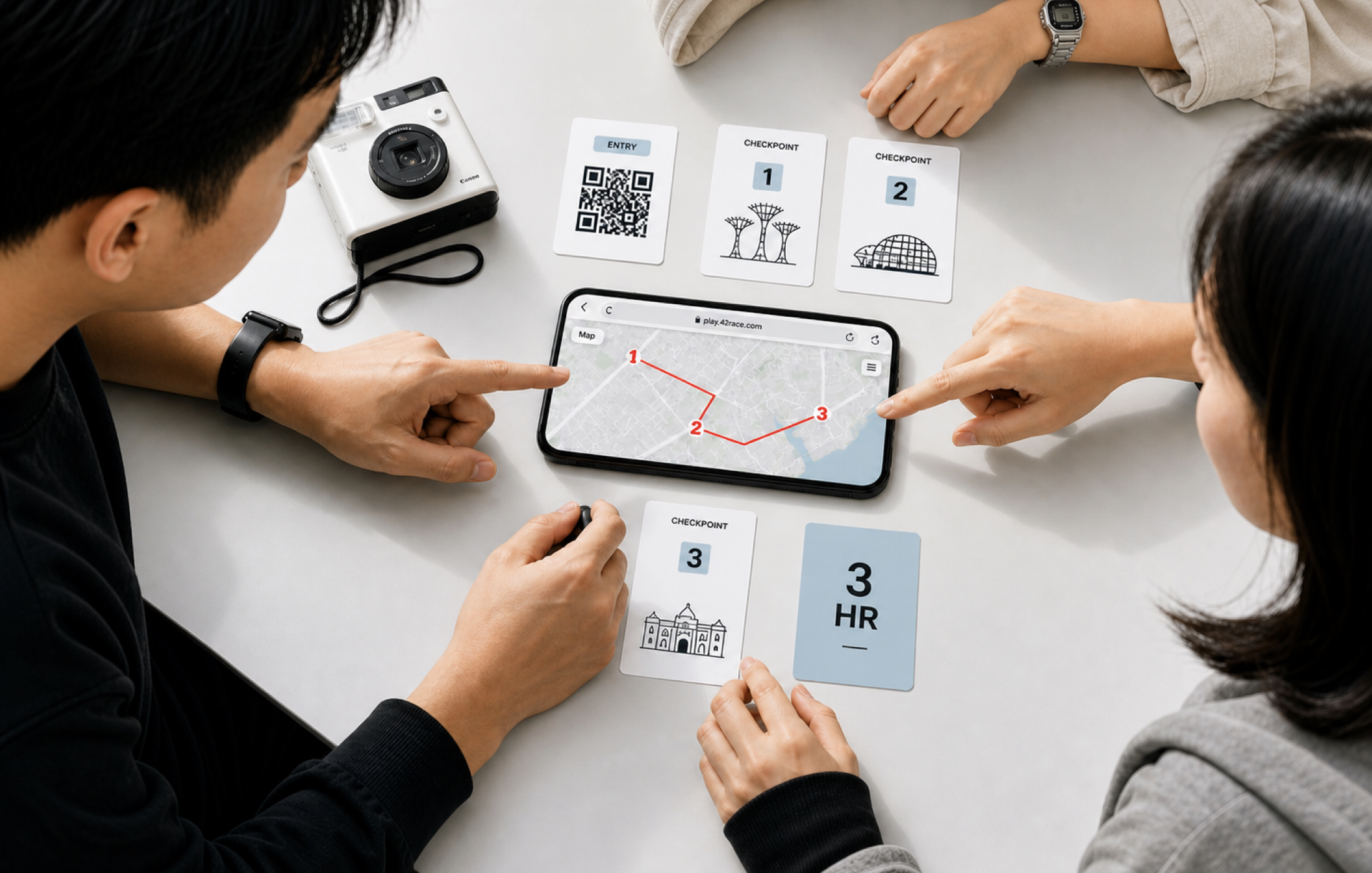
Practical, operational guide to designing an Amazing Race-style event for corporate teams: goals, format choices, logistics and inclusion.