Pick a charity or cause that matters to your people and fits company risk appetite. Match cause type to participation mechanic — health and activity causes suit step, run or movement challenges; skills-based causes suit pro-bono missions and mentorship hours. Check legal and donation rules in Singapore and your key markets early; some fundraisers must use approved collection channels or permits.
Decide how people join and contribute: teams racing checkpoints, individual steps that convert to donations, skills missions, or blended hybrid formats. The tricky part is balancing fairness and accessibility: design missions so mixed-ability teams contribute meaningfully and remote employees can join without special kit. Technology should enable easy proof (photos, short videos, QR checkpoints) rather than relying on manual email submissions.
Choose a campaign length that fits attention spans and operational capacity — typical windows are two to six weeks. Build in clear milestones: launch, midpoint push, last-week sprint and a celebration/close. For Singapore events consider local work rhythms and public holidays; avoid heavy heat hours if you plan outdoor activity days.
Keep sign-up simple: name, team, role, preferred charity option and opt-in for communications. Offer a fast join path for already-engaged employees and a slightly longer path for team captains who will provide team details. Use a single browser-based signup flow with confirmation emails and an editable team-management link.
Recommend 4–6 people per team for meaningful collaboration without scheduling headaches. Assign a captain for coordination and a backup for admin tasks. Encourage cross-department mixing to boost relationship-building, but allow same-team registration for tight project groups.
Be explicit about how actions convert to donations (per-kilometre, per-checkpoint, peer matches, or fixed pledges). Provide shareable templates and progress badges for social media and internal channels. Protect donor trust by routing funds through clear, auditable channels and giving donors a receipt or acknowledgement.
Set public milestones: first team to 1,000km (or equivalent), top fundraisers, most creative mission submission. Use small, meaningful incentives rather than a single costly prize — recognition, lunchtime talks with leadership, or a matched donation boost are more motivating across the organisation.
Map messages to the campaign rhythm: launch, how-to guide, midpoint leaderboard, participant stories, last-week urgency, and outcome report. Use short how-to videos, a simple FAQ page, and modular email blocks teams can reuse. Localise copy for SEA offices where necessary and plan a crisis message template for safety or payment issues.
Report on participation, funds raised, top teams and a simple impact statement from the charity. Share raw participation data and a visual leaderboard snapshot for transparency. Close with a thank-you event or virtual assembly and instructions for continuing engagement (volunteering days, ongoing donation links).
42Race as the technology layer A lightweight event platform can save these operational headaches: single-signup forms, team management, media-based checkpoint proof, automated milestone emails and consolidated reporting. Treat the tech as infrastructure — it should simplify admin and make participant actions effortless, not add new complexity.
End with a clear next step: pick the cause, lock the mechanic and sketch the first two-week communications calendar. That decision narrows every subsequent choice and exposes the real operational risks to manage.
Typically two to six weeks depending on your goal. Shorter campaigns keep momentum and are easier to support operationally, while longer ones can accumulate larger fundraising totals but need periodic re-engagement.
Choose mechanics that convert different actions into equivalent contributions and allow remote-proof submissions such as photos or short videos. Offer multiple participation tracks and clear instructions so teams can mix members without disadvantaging anyone.
Provide participation counts, funds raised, top contributing teams and a simple impact summary from the charity. Include raw data exports for transparency and a concise visual report for leadership that shows reach, engagement and next recommended steps.
We can help map the campaign, staff workflows and the tech setup for your team size.
BOOK A DEMO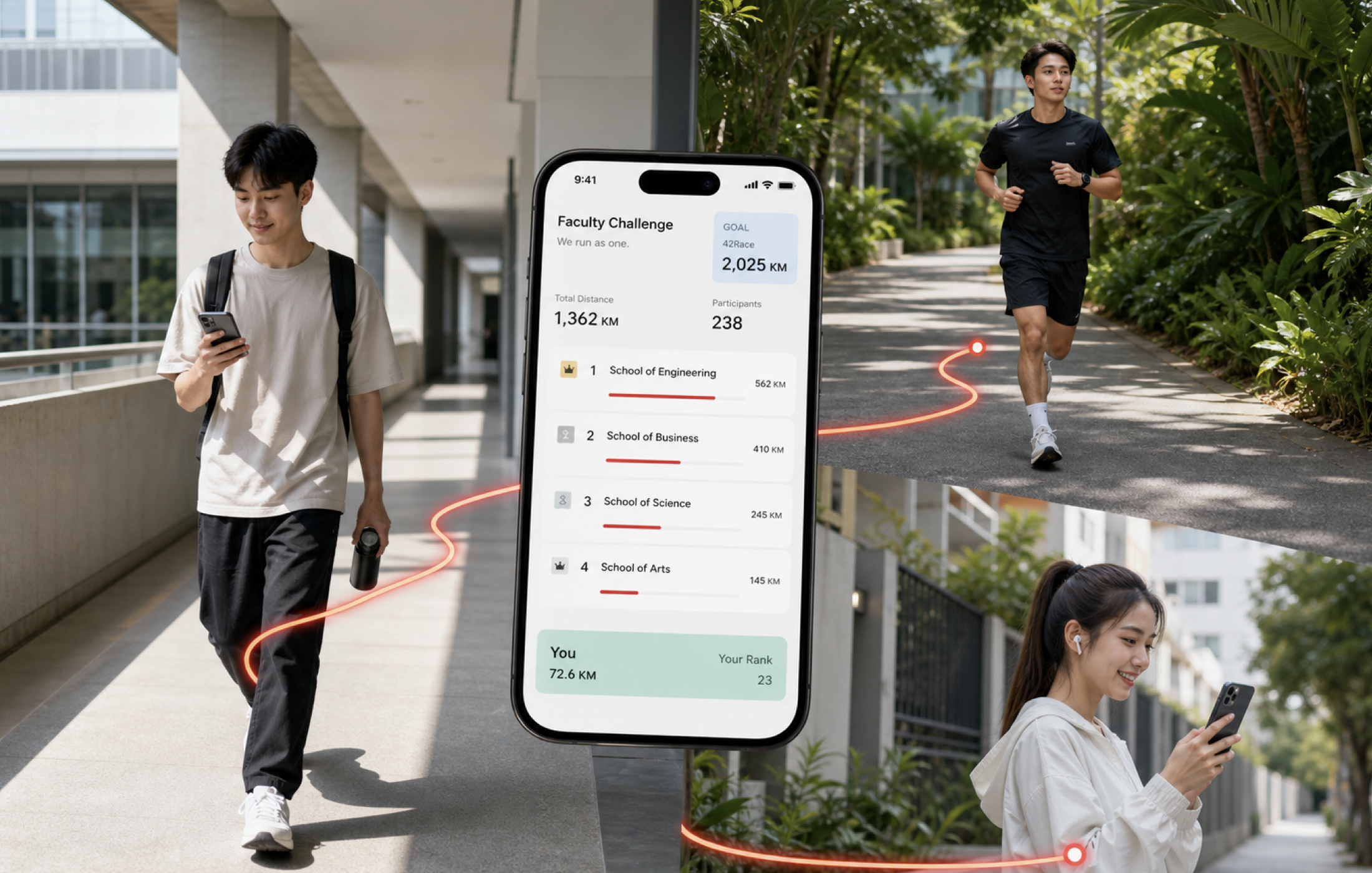
Virtual race offers a flexible, stress-free alternative to traditional running events by allowing participants to complete races at their own pace, on their own schedule.

Practical, operational guide to designing an Amazing Race-style event for corporate teams: goals, format choices, logistics and inclusion.