
You’ve got a strong launch and clear goals — then week two hits. Participation drops, messages go unread and the campaign becomes background noise. The middle of a month-long CSR campaign is where enthusiasm falters; treating that period as an afterthought is the fastest way to miss your impact and engagement targets.
Map the month into 3–5 visible milestones, not a single end goal. Make each milestone a concrete, short-lived objective: a week-one pledge quorum, a week-two micro-activity completion rate, a week-three fundraising stretch, and a final consolidation. The trick is pacing: set milestones that require a single meaningful action from most employees rather than ongoing commitment. That keeps the campaign feed of wins regular and shareable.
Teams focus effort and create peer pressure — but the format matters. Keep teams small and stable for the month, use simple scoring (points per completed activity, bonus for returning volunteers) and cap any single activity’s points so one person can’t dominate. Rotate challenge types so different strengths can win: fundraising, creative storytelling, volunteer hours, and low-effort daily strokes like social shares.
Weekly, short, visual updates are better than daily email blasts. Use a single-channel bulletin (Slack/Teams or an intranet tile) and one concise card: percentage to milestone, leaderboard top three, and one human story. Push only when there’s meaningful news. People ignore noise; they respond to tangible progress and a clear next step.
Introduce low-friction micro-missions mid-campaign: a one-hour weekend volunteer slot, a 15-minute empathy workshop, a photo prompt, or a matched-donation hour. Time-limited mini-challenges create urgency and reset attention. Alternate solitary micro-tasks with short team missions to mix convenience and social proof.
Recognition must be immediate and visible. Celebrate weekly winners, highlight surprising contributors and surface quotes or photos from beneficiaries. Rewards needn’t be expensive: priority parking for a week, a team lunch voucher, or a desk-drop snack work well in Singapore’s office context. Use storytelling to remind colleagues why the work matters — real, specific outcomes beat generic mission language.
Leaderboards drive engagement when they’re segmented and inclusive. Show top teams, fastest-rising teams and most-improved lists. Include a participation-only leaderboard so lower-effort contributors still see progress. Avoid publishing individual totals unless people opted in; make the social pressure positive, not punitive.
Watch three signals: falling sign-up or check-in rates, static leaderboard movement, and drop in content shares or comments. If you see these, act quickly: launch a two-day mini-challenge that offers easy points, send a crisp update with a single clear ask, and spotlight a moving beneficiary story. Re-engage managers to nudge teams and redistribute tasks so everyone has a low-effort role. If decline persists past a week, pause competitive elements and relaunch with a new milestone that requires one achievable action from every team.
Keep the middle of the campaign active by designing for short wins, social momentum and visible impact. With regular milestones, varied challenges and rapid recovery tactics you’ll avoid the classic mid-month dip and finish with both participation and real outcomes.
Update leaderboards weekly to keep momentum without overwhelming people. Use one mid-week micro-update only when there’s notable movement or a mini-challenge result to share.
Choose tasks that take 10–60 minutes: social-share boosts, one-hour volunteering slots, quick fund-matching windows, or a photo storytelling prompt. The point is low friction plus visible recognition.
Compare short-term engagement metrics (weekly sign-ups, check-ins, shares) against the campaign’s baseline and look for concurrent causes: competing events, unclear asks or technical barriers. If metrics recover after a mini-challenge or a targeted update, it was likely temporary; sustained decline for more than a week suggests a structural issue to redesign.
We can map a tailored month-long CSR campaign with milestones, leaderboards and mini-challenges to suit your organisation.
BOOK A DEMO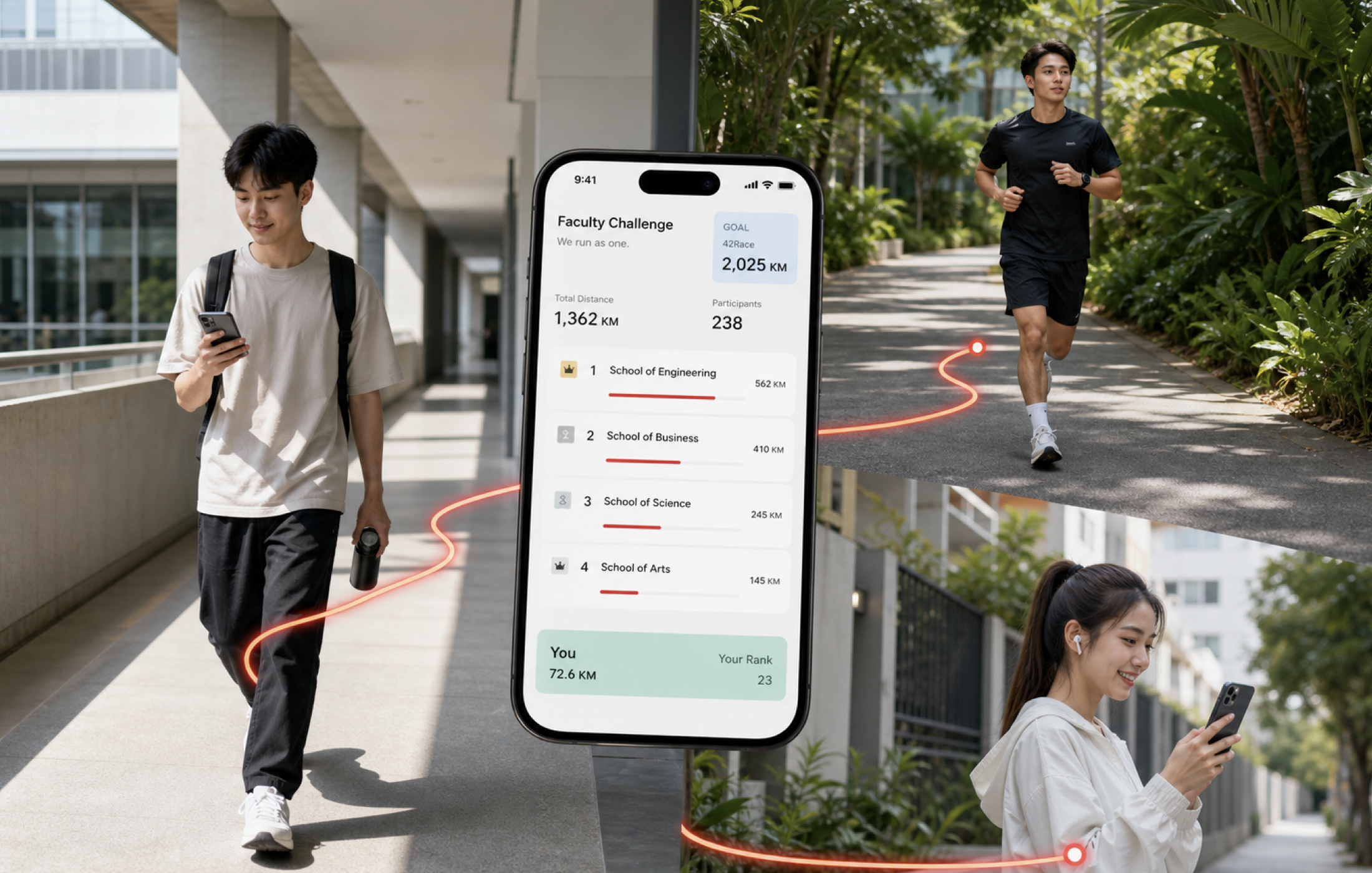
Virtual race offers a flexible, stress-free alternative to traditional running events by allowing participants to complete races at their own pace, on their own schedule.
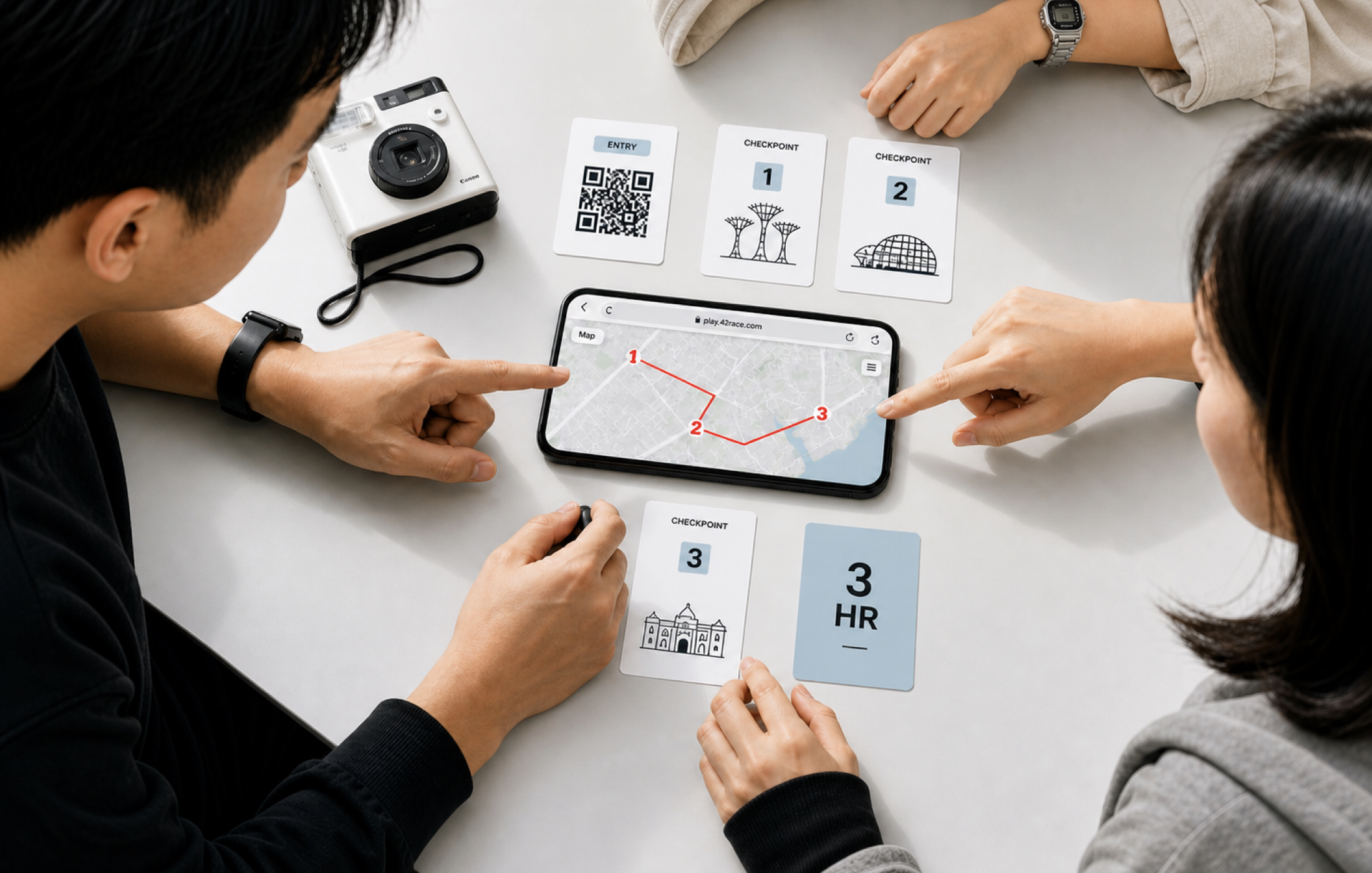
Practical, operational guide to designing an Amazing Race-style event for corporate teams: goals, format choices, logistics and inclusion.