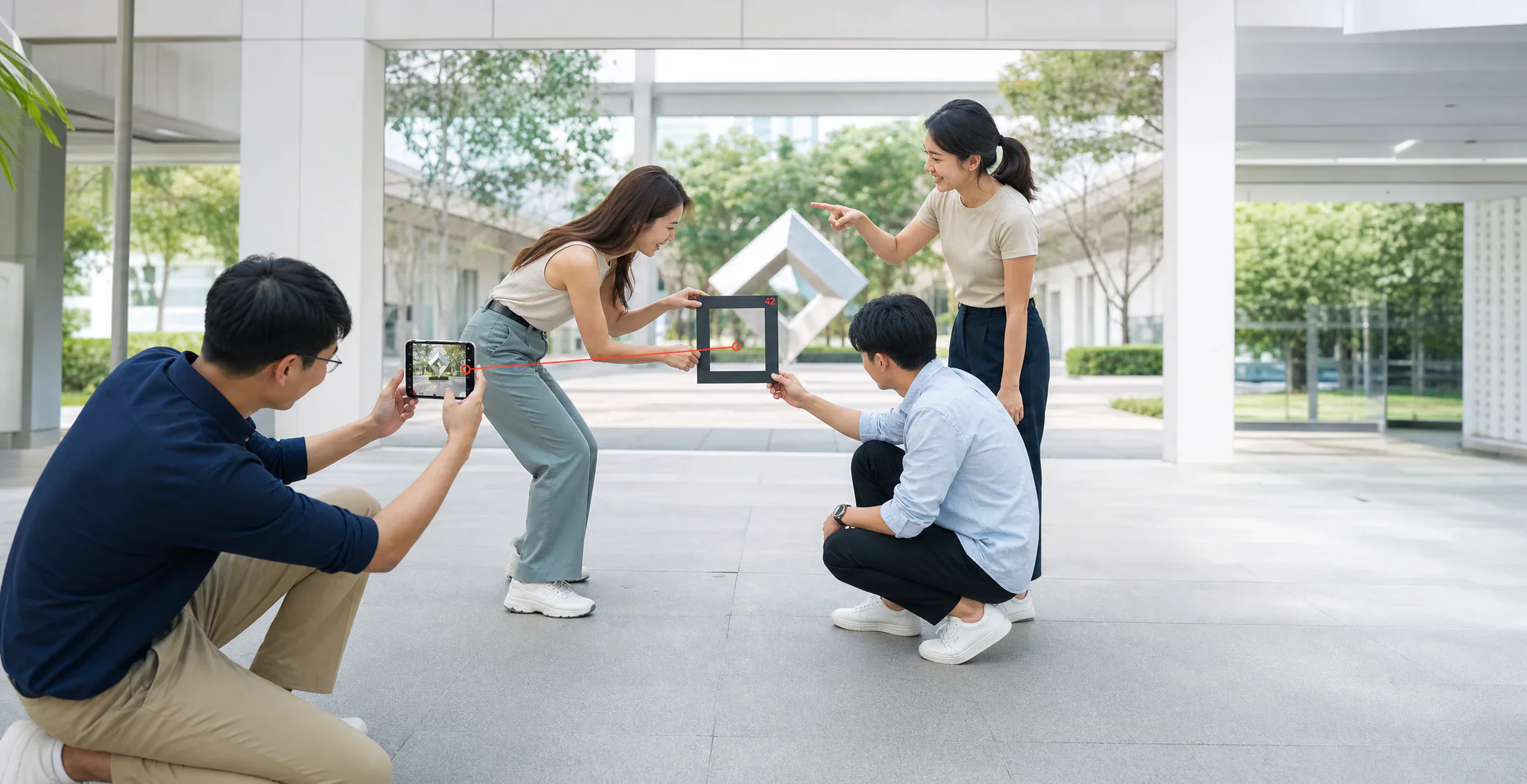
You’re planning team building for busy Singapore teams and the real test is whether people think “that was fun” instead of “that was mandatory.” If your brief begins with KPIs, long slides and names on the attendance sheet, you’ve already tilted the event towards work. The simpler guiding question is: what will a participant remember doing and who will they have done it with?
Complex rules, multi-page briefings and activities where only one person performs create cognitive friction. In practice people stop listening, someone dominates, and the rest become spectators. Forced personal sharing risks awkwardness and rare emotional rewards. Overly branded or message-heavy formats turn warm social time into a sermon. This matters because participants judge events by how natural the interaction feels—not how aligned the messaging is.
Plan for bottlenecks: a single task that needs a table or device creates queues. Train gamemasters to intervene subtly rather than explain rules. Protect the social time after activities—people need space to share their highlights organically. Finally, avoid heavy corporate messaging during the activity; use a short debrief to connect outcomes to objectives without overwriting the experience.
Decide what to prioritise—connection, creativity, movement or message—and design every task to support that single priority. When the activity lets people move, discover, laugh and win together, it stops feeling like work.
Aim for a half-day or a focused 90–150 minute session during regular work hours. Shorter formats force concise, fun activities and reduce briefing time, which helps the event feel less like work.
Use parallel micro-missions or creative sprints where remote teams submit short videos or solutions alongside on-site teams. Keep tasks simple, time-boxed and judged on creativity or collaboration rather than physical presence.
Limit messaging to a single one-minute wrap-up that links the event to your objectives. Embedding heavy branding or lessons into the activities themselves usually kills spontaneity and reduces participant engagement.
We can design a short, Singapore-ready programme that balances movement, discovery and low-friction collaboration.
BOOK A DEMO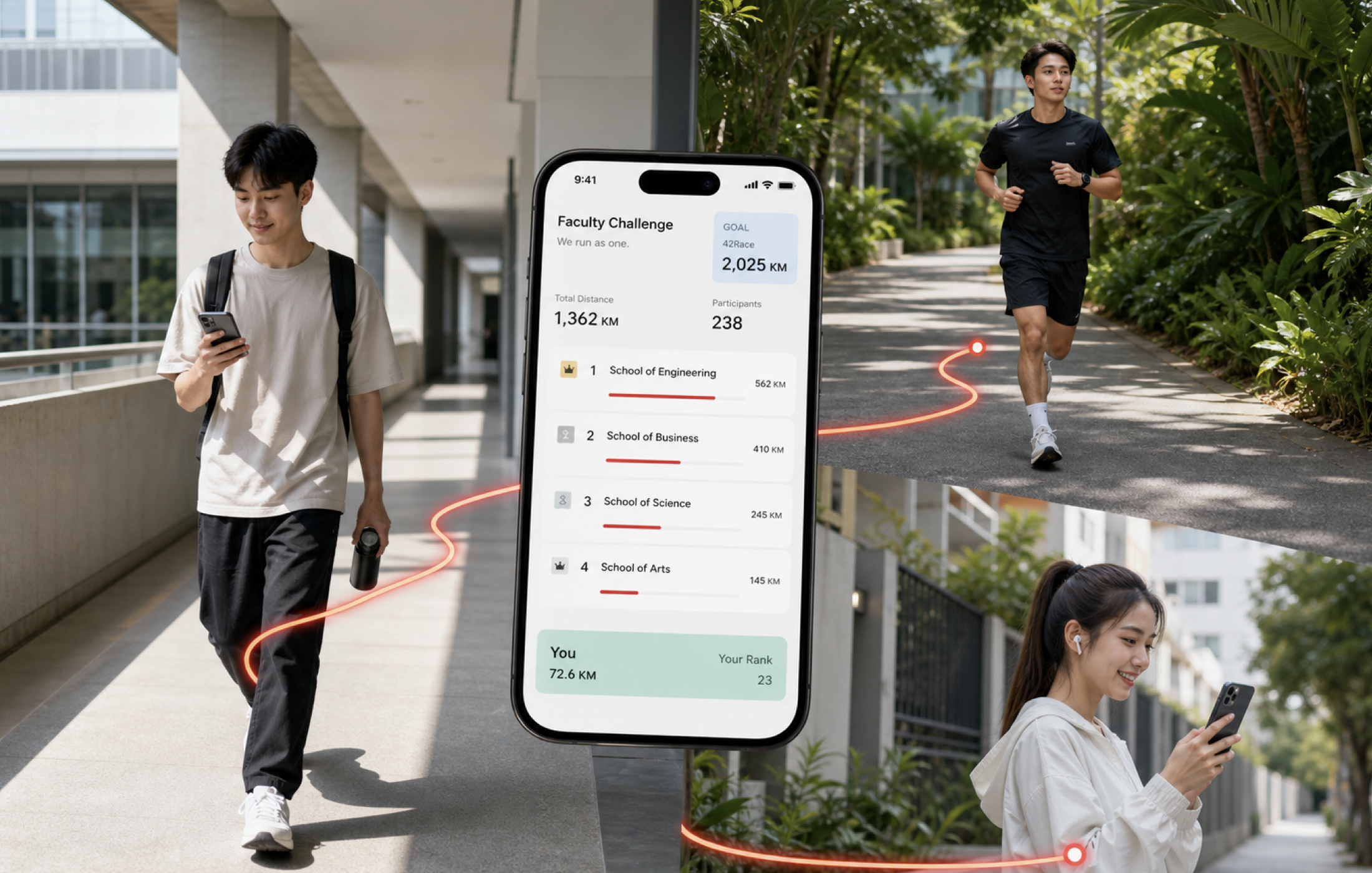
Virtual race offers a flexible, stress-free alternative to traditional running events by allowing participants to complete races at their own pace, on their own schedule.
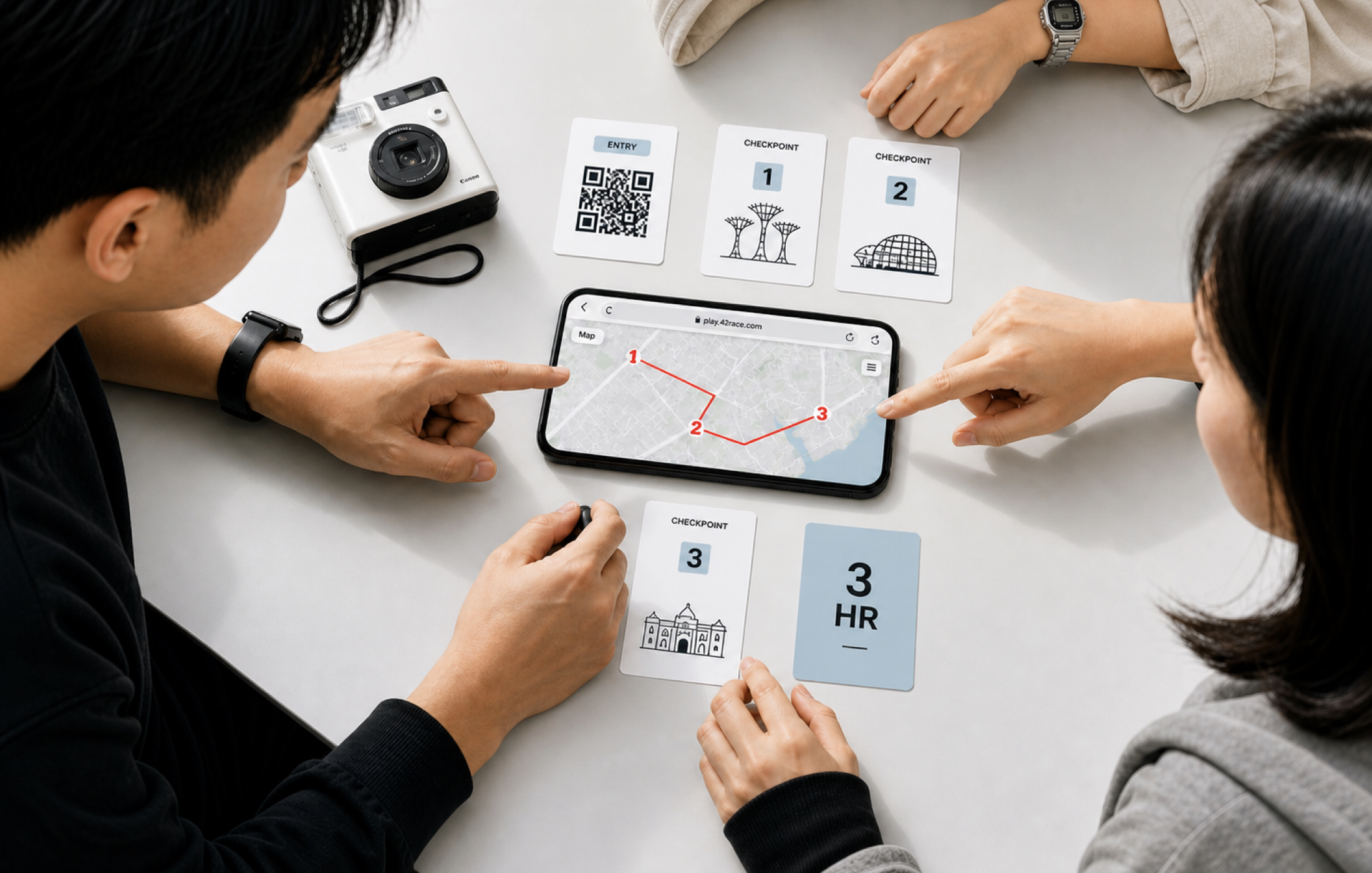
Practical, operational guide to designing an Amazing Race-style event for corporate teams: goals, format choices, logistics and inclusion.