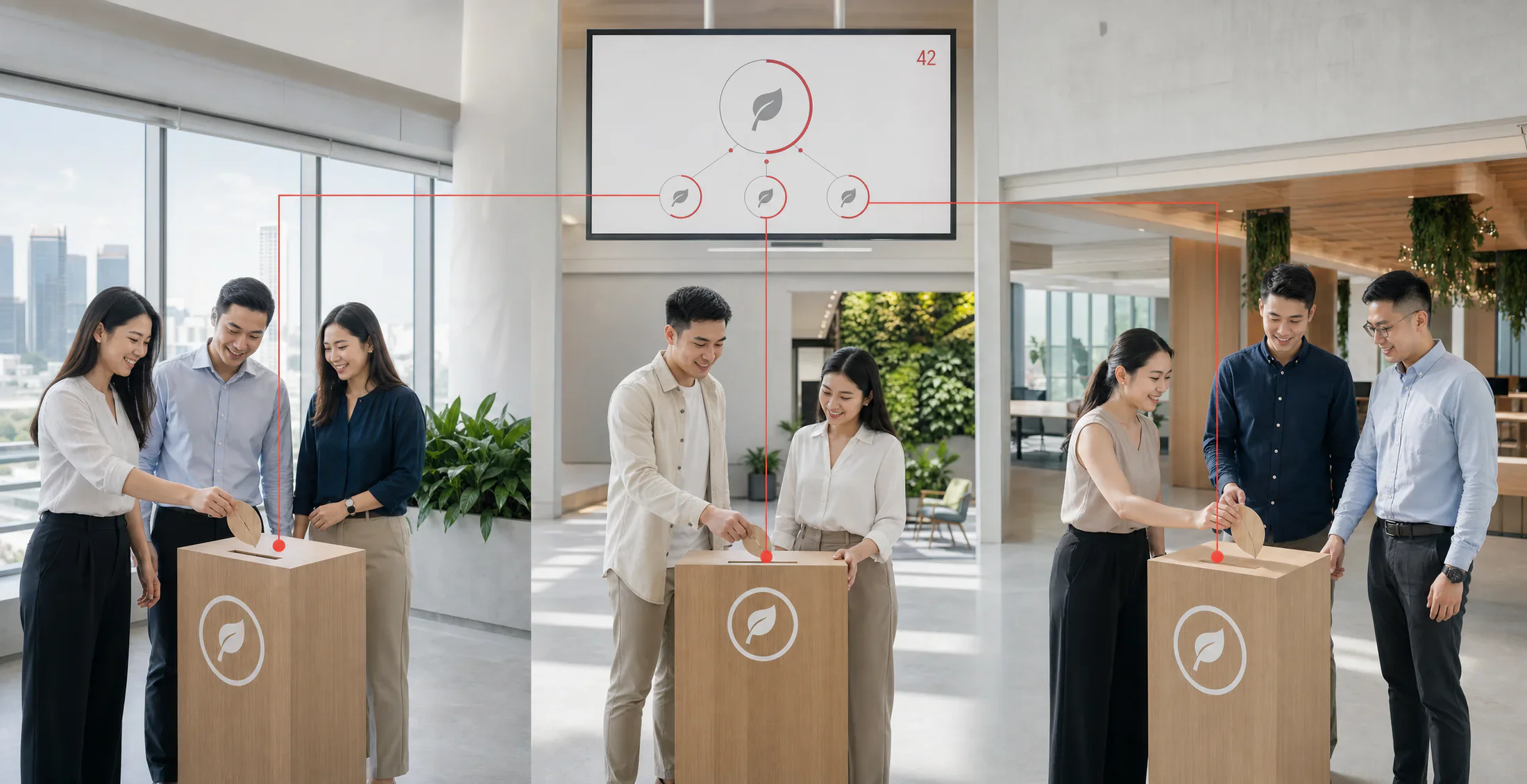
You want a CSR activity that actually connects people in Singapore, Jakarta, Bangkok and remote workers without privileging night owls or local HQ. The real decision isn’t whether to go virtual — it’s how to design time, tasks and scoring so participation feels equitable, visible and meaningful across locations.
Decide three priorities: impact (the community outcome), inclusion (who can realistically take part) and connection (shared experience). Which one matters most changes trade‑offs. If impact is primary, allow longer windows and asynchronous tasks. If connection is primary, schedule at least one overlapping live moment for team check‑ins or a broadcast.
Avoid a single live start. Use a 24–72 hour activity window with one short live anchor (30–45 minutes) timed for the best overlap between Singapore and other offices. That live slot is for kickoff, storytelling and award highlights — not every task. Rolling windows let remote employees and different shifts complete work without penalty.
Form teams that mix offices where possible, but preserve local teams as an option for time-constrained staff. For fairness, cap team size and standardise roles (team lead, recorder, verifier). If you mix timezones, require at least one asynchronous task that every member can complete independently to ensure all contributors have measurable input.
Use three task types: local impact (neighbourhood cleanups, charity drops), remote-friendly tasks (digital mentoring, fundraising pages, content creation) and shared missions (collective step/active minutes, pledges, or matched donations). Keep each task’s effort comparable and document expected time so teams can plan.
Normalise scores by person-hour or by percentage of team completing core tasks rather than raw totals. Display both local office leaderboards and an overall leaderboard with clear rules. Use badges for different achievements (impact, creativity, fastest organiser) so quieter contributors and small offices can still win recognition.
Verification should be simple: photo with timestamp, short form responses and one local coordinator per office to confirm. Automate submission where possible and publish anonymised progress dashboards. Keep rules concise and Q&A accessible — confusion kills momentum.
Don’t assume enthusiasm equals capacity; frontline or client‑facing teams may need different expectations. Plan for language differences, local public‑space rules and local CSR partners. Finally, budget for wrap‑up storytelling so impact becomes a shared narrative across offices.
End with a choice: prioritise inclusion with longer windows and normalised scoring, or prioritise live connection with a tighter schedule and mixed local hubs. Either path works if the rules are clear and consistently enforced.
Run a challenge over 24–72 hours with one short live anchor for storytelling and awards. Longer windows let participants across timezones contribute without disadvantaging other offices.
Normalise scores by person‑hour or percentage completion rather than absolute totals, and offer multiple recognition categories so small teams or quieter contributors still gain visibility. Publish the rules and scoring formula before the event.
Use simple, low‑friction evidence: timestamped photos, short submission forms and a local coordinator to confirm activity. Automate uploads and provide multilingual instructions to reduce admin friction and variance.
We can design schedules, scoring and leaderboards tailored to your Singapore and regional teams.
BOOK A DEMO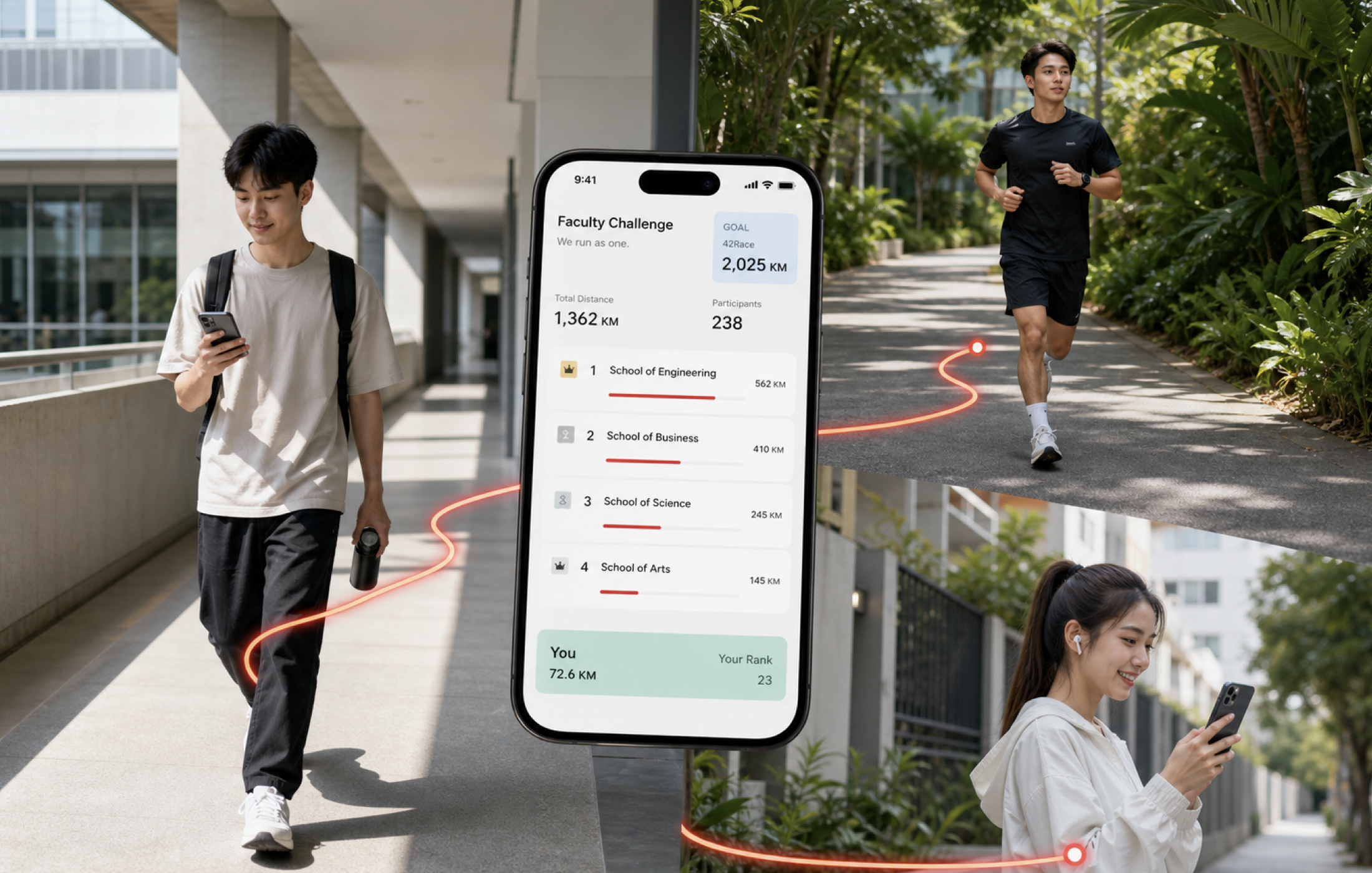
Virtual race offers a flexible, stress-free alternative to traditional running events by allowing participants to complete races at their own pace, on their own schedule.
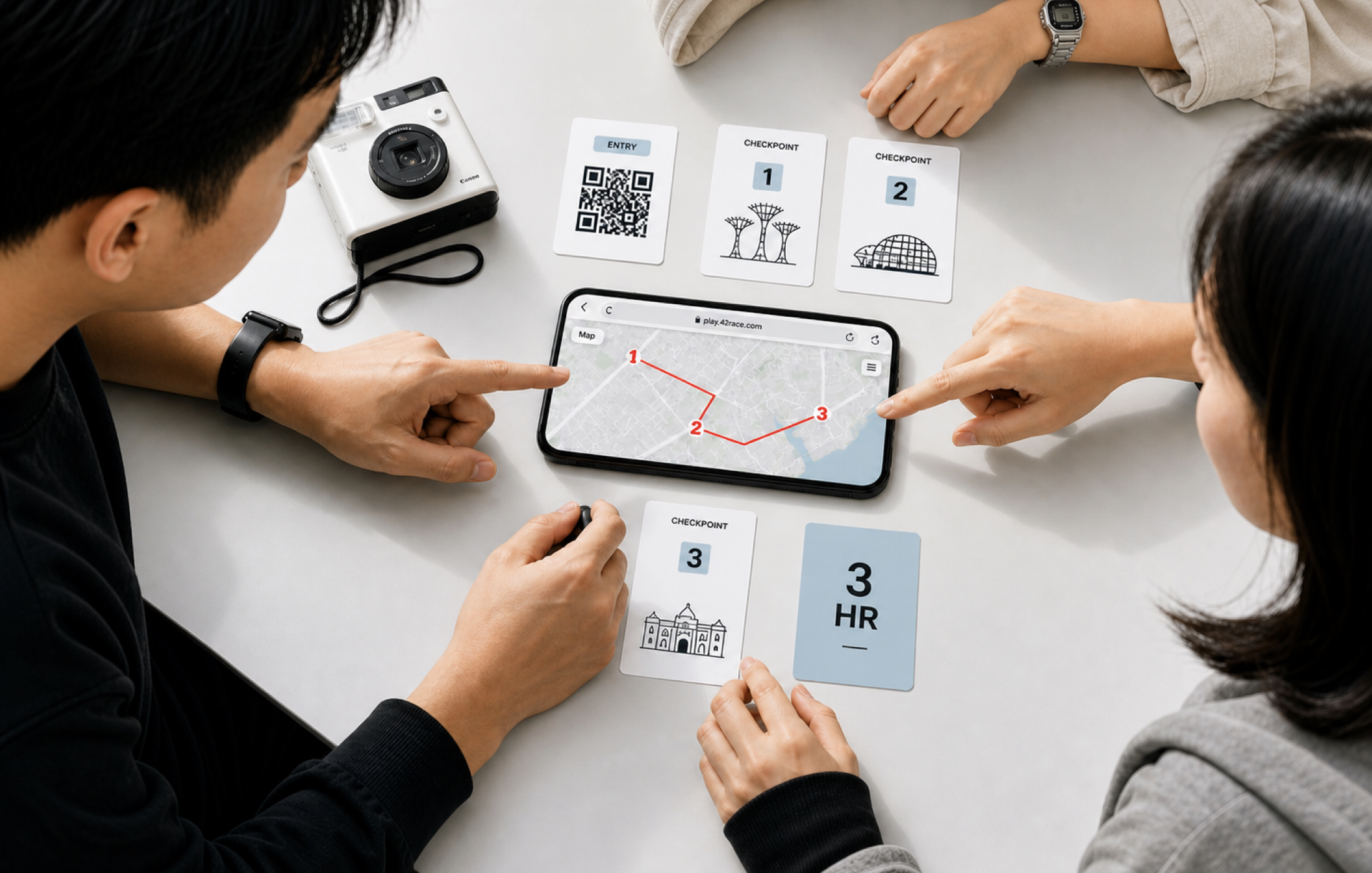
Practical, operational guide to designing an Amazing Race-style event for corporate teams: goals, format choices, logistics and inclusion.