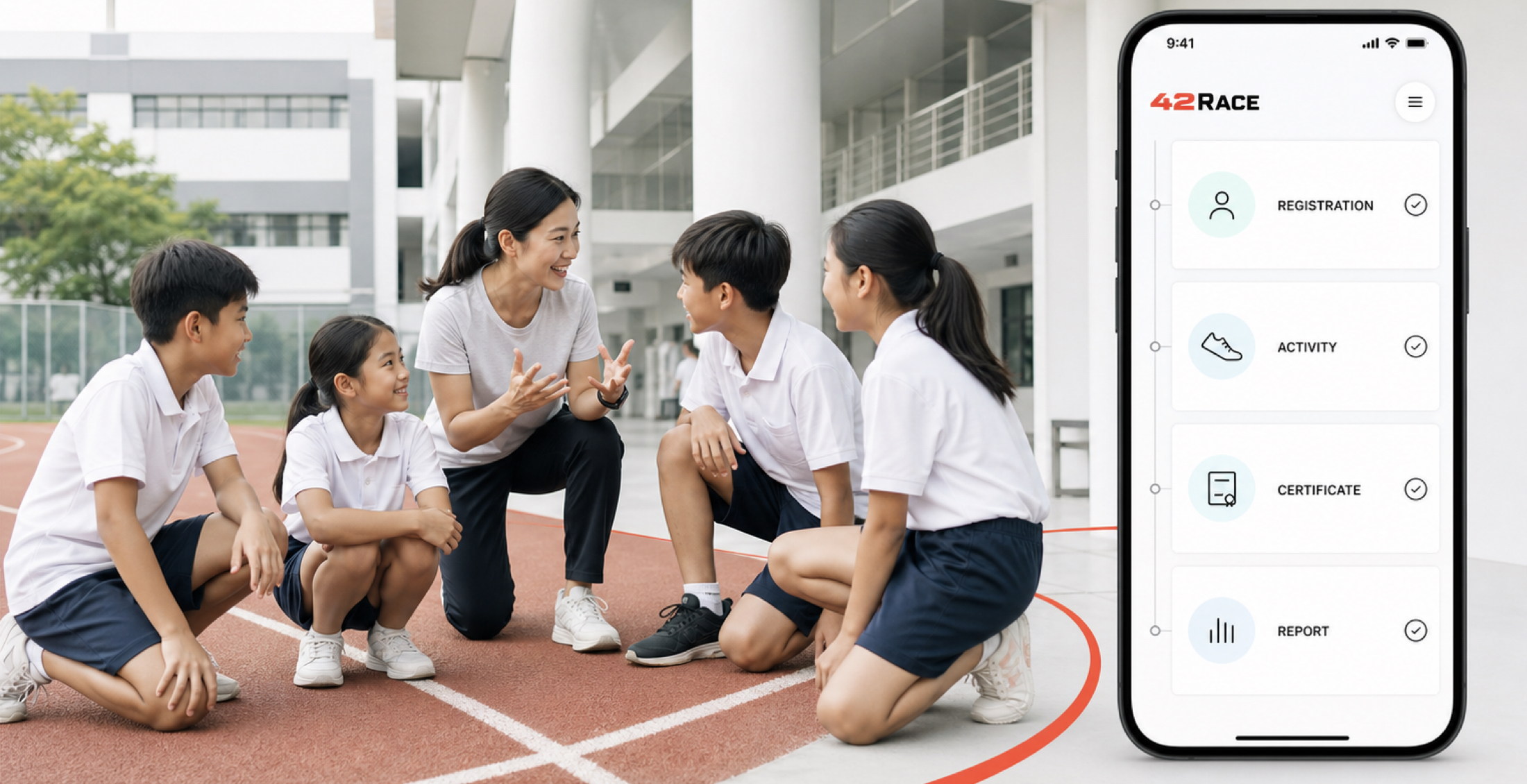
The difficult part of a school fitness event is often not getting students moving. It is everything teachers must manage around the activity: registration lists, submissions, progress updates, certificates and the final report.
A virtual race for schools brings those tasks into one digital workflow. The goal is straightforward: help schools spend less time managing the event and more time engaging students.
A simple school fitness challenge can quickly create several spreadsheets. One may hold registrations, another tracks classes, and another records who has completed the target. Teachers then need to check submissions, answer progress questions and prepare recognition after the event.
This workload grows when information arrives through forms, email and chat messages. Even a well-designed PE programme becomes harder to run when staff must repeatedly copy and reconcile the same details.
Every hour saved on administration is an hour that can return to student engagement.
The right platform creates a connected journey from sign-up to completion. Instead of building each process separately, schools can manage core tasks in one place.
Online registration records participant details in a consistent format. Organisers can then track who has joined and monitor progress without maintaining parallel class lists by hand.
Activity syncing reduces the need to enter every result manually. As verified activity reaches the platform, leaderboards can update the challenge view and give students timely feedback.
This is useful for an individual or class-based student step challenge. Teachers can see how the event is progressing, while students have a visible reason to keep contributing.
Digital certificates can be issued according to the event’s completion criteria, removing the need to prepare and distribute each certificate individually. Completion reports also give organisers a clearer record for internal review after the school wellness programme ends.
Automation still depends on good setup. Schools should confirm participant groups, activity rules, completion criteria and reporting needs before registration opens.
Administrative efficiency is only half the value. Students need a challenge that feels achievable and worth returning to.
Milestones break a larger goal into manageable steps. Class or house challenges create a shared purpose, while friendly competition can add energy to a PE programme without making the event relevant only to the strongest athletes.
Recognition can include consistency, completion and team contribution alongside top rankings. This gives more students a credible way to succeed and helps teachers use the challenge to encourage participation, not simply compare performance.
42Campaign has supported education institutions including Anderson Serangoon Junior College, Duke-NUS Medical School, NUS Yong Loo Lin School of Medicine, Yishun Town Secondary School, St Margaret Secondary School, Temasek Primary School and Singapore Sports School.
These examples cover different age groups and institutional contexts. They are shared as examples of organisations supported by 42Campaign, not as endorsements. Each school still needs rules, activities and communications suited to its own students.
Start by mapping the tasks teachers currently handle. Ask how students register, how activity is recorded, when a participant counts as complete and what the school needs to report.
Then decide which steps the platform should automate. This keeps the technology focused on a practical outcome: less repetitive work for staff and a clearer experience for students.
Yes. It can extend activity beyond a lesson while the school sets appropriate rules, dates and completion goals.
Bring the expected participant groups, campaign period, activities, completion criteria and reporting requirements. These details help define a suitable workflow.
Ready to spend less time managing your next school fitness challenge?
42Race can automate repetitive event tasks so teachers can focus on encouraging students to participate.
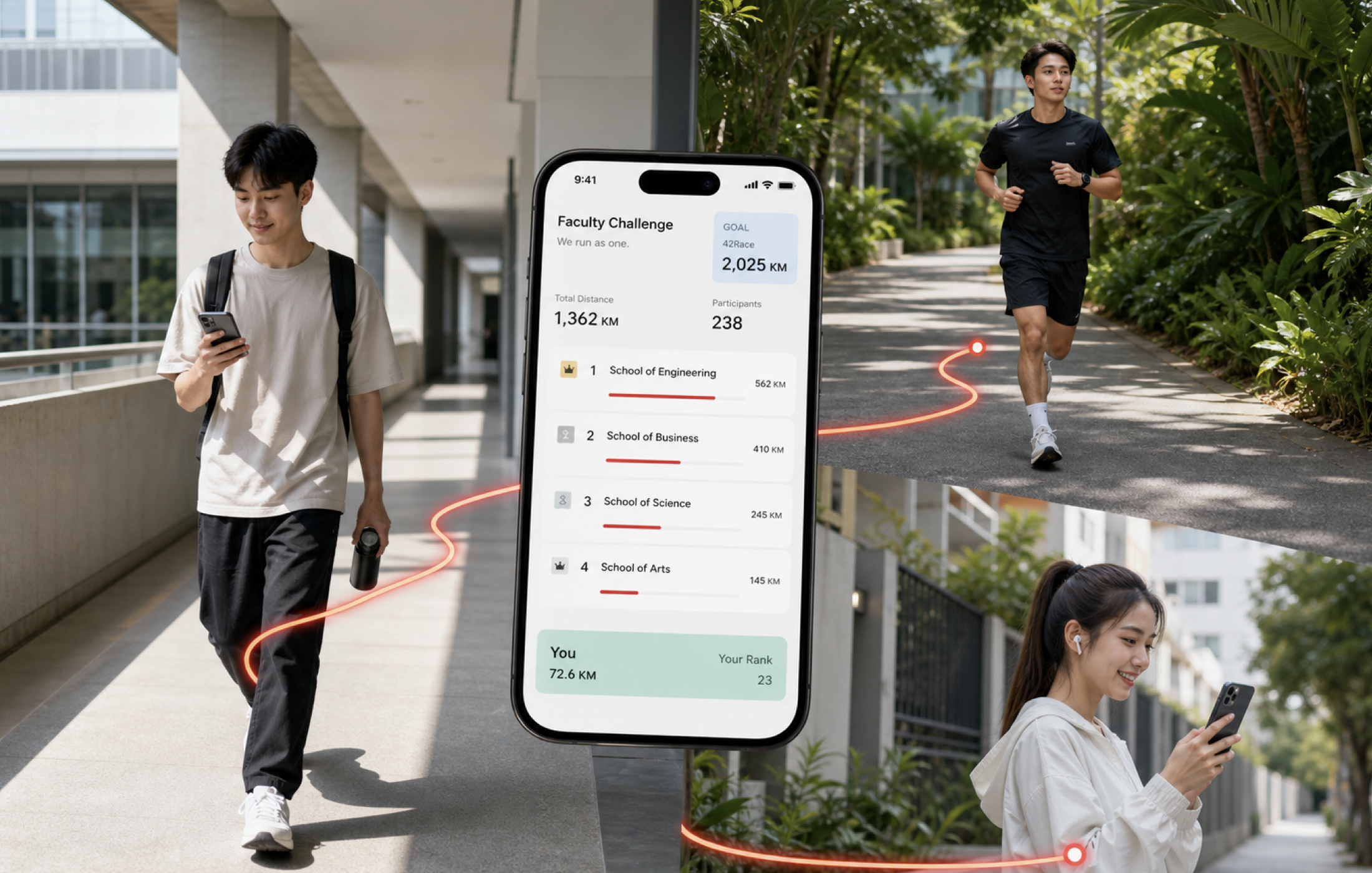
Virtual race offers a flexible, stress-free alternative to traditional running events by allowing participants to complete races at their own pace, on their own schedule.

Practical, operational guide to designing an Amazing Race-style event for corporate teams: goals, format choices, logistics and inclusion.