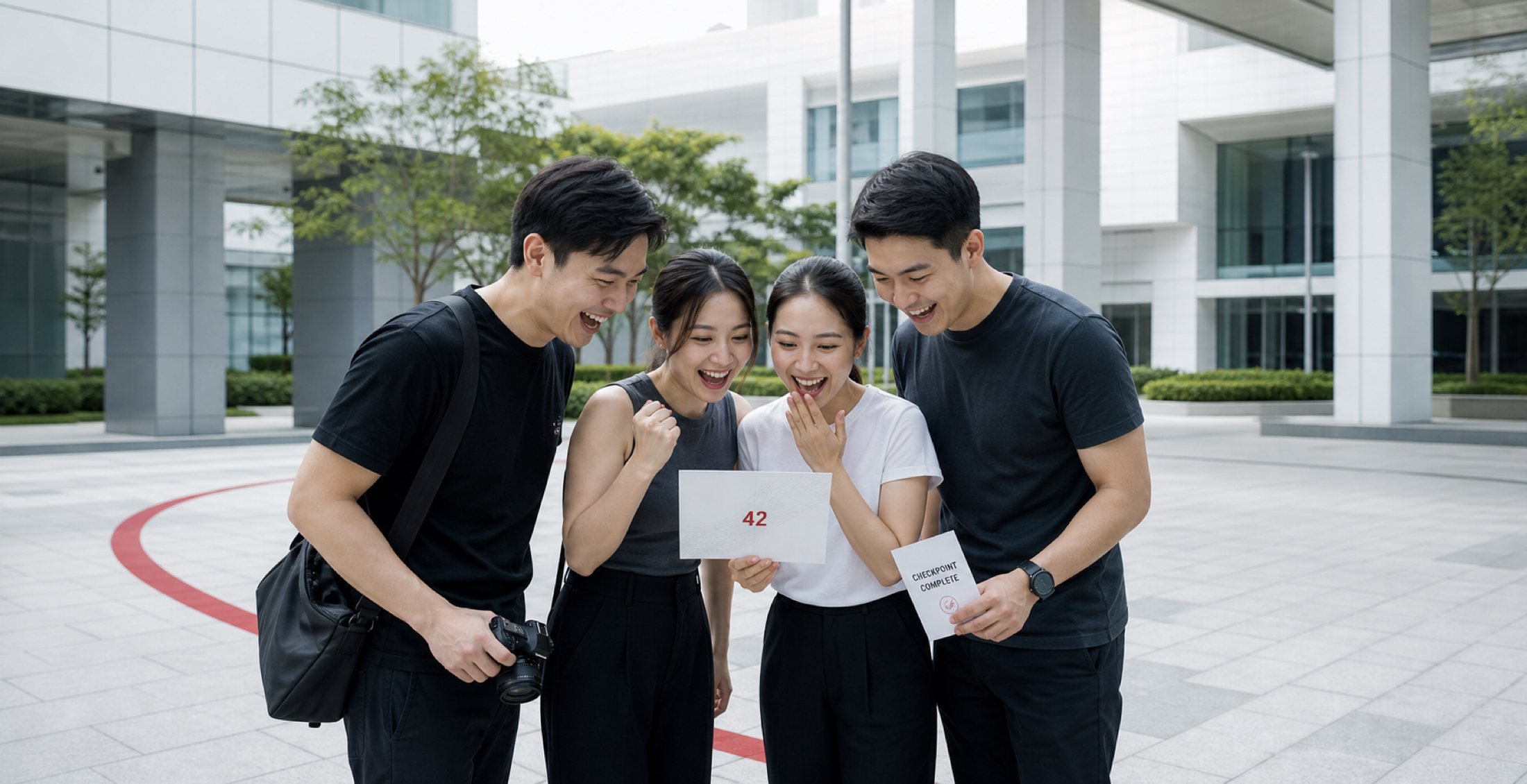
A campus rarely moves to one timetable. Lectures, internships, project work, CCAs and shift-based responsibilities make it difficult to find one activity slot that suits everyone.
That is why a virtual race for universities can be more useful than treating wellness as a single event. Students and staff take part within a defined campaign period, but choose when and where to complete their activity. The institution creates a shared experience without requiring everybody to be in the same place at the same time.
A virtual format gives participants room to fit movement around their day. Someone can run near home, walk between commitments or take part while away from campus, depending on the campaign rules.
This makes a virtual run in Singapore especially suitable for institutions with multiple campuses, overseas students or learners on attachments. Flexibility does not remove structure; it shifts the structure from a fixed start time to a clear campaign period, activity rules and shared goals.
The best campus challenge fits around student life instead of asking student life to stop.
A campus fitness challenge can be adapted to the purpose of the semester. During orientation, teams can help new students meet people beyond their course. A university wellness programme may focus on consistent movement, while a wellness week can use shorter milestones to make joining feel manageable.
Inter-faculty challenges add another layer of identity. Participants contribute to a group result, giving them a reason to return even when they are unlikely to top an individual ranking.
Leaderboards and team competitions can create momentum, but the scoring model matters. If only the highest distances receive attention, less-active students may decide early that the challenge is not for them.
Consider recognising consistency, milestone completion or team progress alongside top performance. Friendly competition works best when more than one kind of participant can make a meaningful contribution.
42Campaign has supported both the Singapore Institute of Technology and Singapore Management University through SITizen Run 2026 and SMOO Challenge 2025. Their campaign sites show how each institution can have a dedicated, branded online environment rather than sending participants through a generic event page.
The examples also illustrate how a campus campaign can give participants one place to enter the experience and follow the challenge. For organisers, that central point is important: instructions, participation and campaign identity do not need to be scattered across unrelated forms and messages.
Student Affairs and Student Life teams should not have to spend the campaign reconciling spreadsheets. A suitable platform can centralise registration, activity records, team structures and leaderboard updates, making it easier to monitor the programme from one place.
That does not mean the event runs itself. Organisers still shape the theme, rules, communications and support. The difference is that they can spend more time encouraging student engagement and less time moving data between tools.
Before launch, decide who can join, which activities count, how teams will work and what participants need to complete. Clear rules make the technology feel simple.
It can support orientation, wellness weeks, inter-faculty competitions, alumni engagement or a longer-term healthy lifestyle campaign.
Yes, provided their activity follows the campaign rules. That flexibility is one of the main advantages of a virtual format.
Ready to make campus wellness easier for every student schedule?
42Race can provide a flexible virtual challenge students can join wherever and whenever their timetable allows.
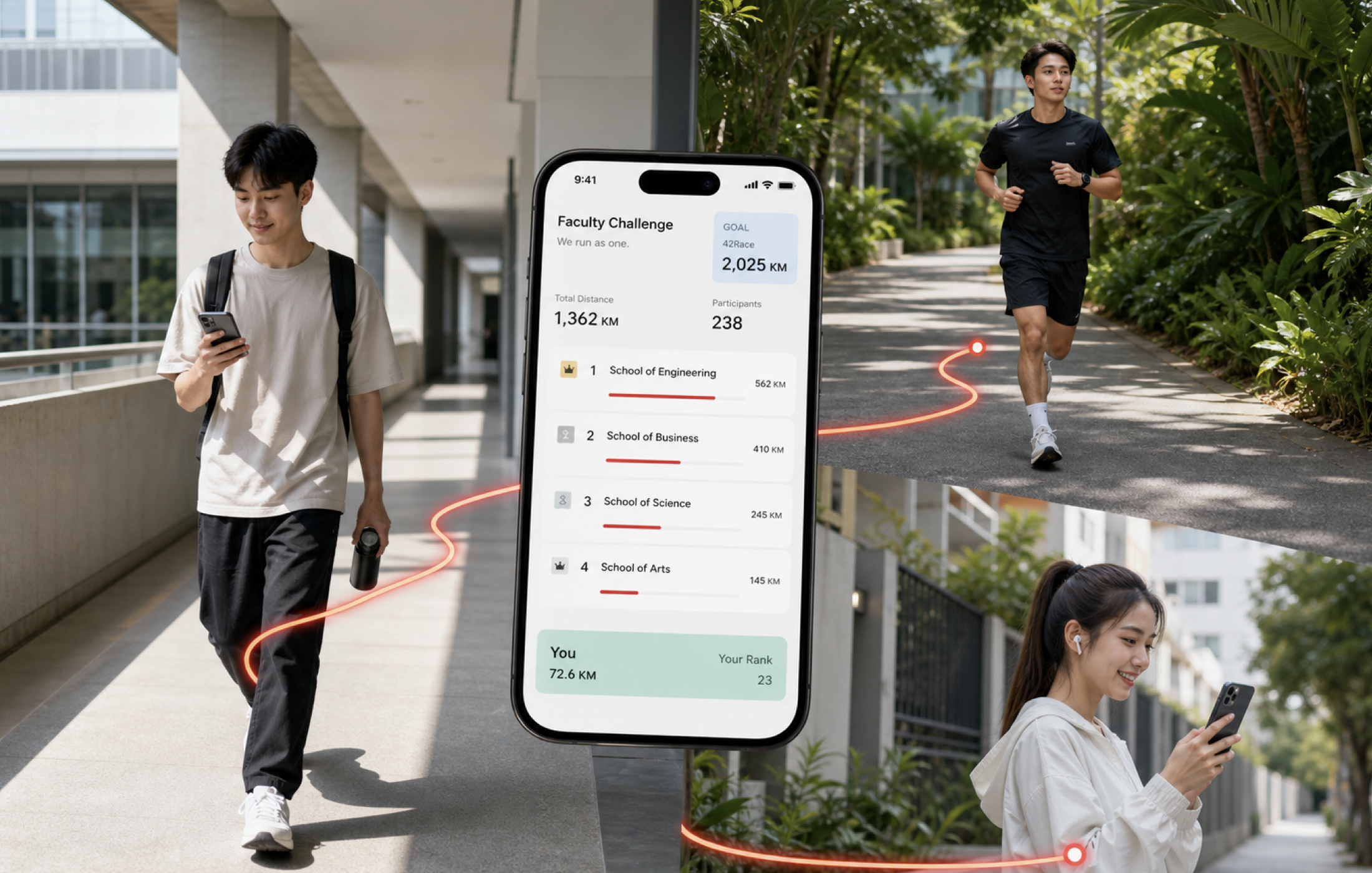
Virtual race offers a flexible, stress-free alternative to traditional running events by allowing participants to complete races at their own pace, on their own schedule.

Practical, operational guide to designing an Amazing Race-style event for corporate teams: goals, format choices, logistics and inclusion.