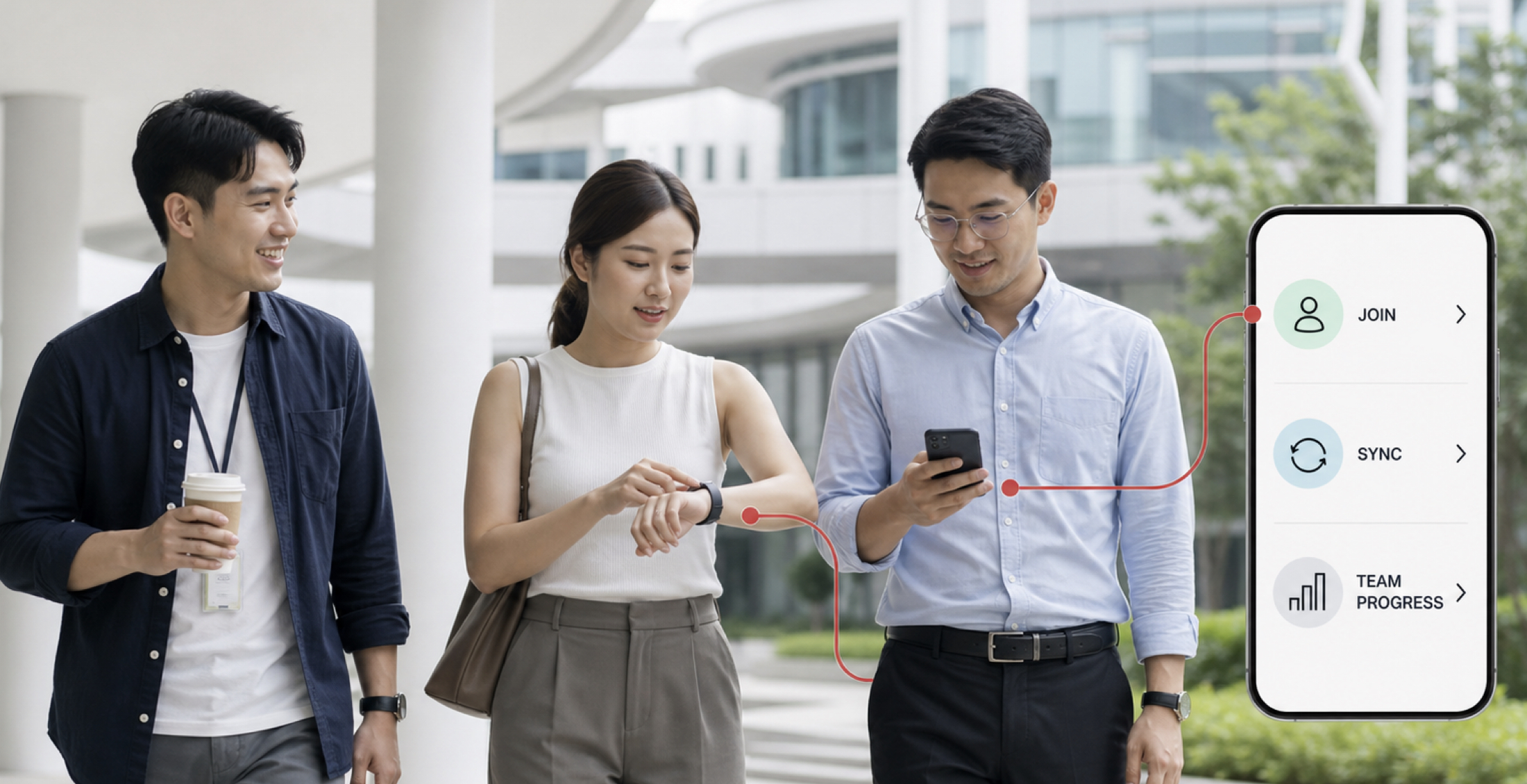
Planning a company wellness activity sounds straightforward—until it needs to work for employees with different schedules, fitness levels and office locations.
A lunchtime run may suit one group but exclude shift workers. A physical race can create a memorable day, but not every employee can attend. And a step challenge may attract plenty of registrations before becoming another forgotten app notification.
A corporate virtual run offers a more flexible alternative. Employees walk or run wherever they are, record their activity and contribute towards personal, team or company-wide goals.
This guide explains how a virtual run works, why the format suits companies in Singapore and what HR teams should consider before launching one.
A virtual run is a distance-based challenge that participants complete at their preferred place and time within a defined campaign period.
Unlike a traditional race, there is no single starting line. An employee might run around Marina Bay before work, walk through a neighbourhood park after dinner or complete a treadmill session while travelling overseas.
Activities are recorded using an app, fitness tracker or online submission process. Participants may then view their progress, badges and leaderboard position on a campaign platform.
For companies, a virtual run can include:
The result is a shared company activity that does not require everyone to be in the same place at the same time.
Modern workforces are increasingly difficult to engage through one fixed-format activity. Even employees based in the same Singapore office may have different working arrangements, family commitments or mobility needs.
MNCs face an additional challenge: how do you create one experience that includes teams across multiple countries and time zones?
A virtual run helps by giving employees flexibility while preserving the social elements of a company challenge. Participants complete activities independently, but their progress contributes towards a visible collective result.
This makes the format relevant to several HR priorities.
Team leaderboards, shared milestones and campaign updates give colleagues something positive to discuss outside their daily work.
Employees receive a reason to move more without being required to attend a fixed class or compete in a high-intensity sport.
Employees in Singapore and overseas offices can join the same campaign while completing their activities locally.
Distance milestones can unlock corporate donations, or employees can raise funds for an approved cause.
Campaign stories and results can demonstrate how the company supports wellbeing, community participation and shared values.
The exact process depends on the provider and platform, but most programmes follow a similar structure.
Start with one primary purpose. Is the campaign intended to improve employee wellness, connect regional teams, support a charity or celebrate a company milestone?
The activity can deliver several benefits, but a clear lead objective makes communication easier.
The challenge might ask employees to complete a personal distance, compete in teams or collectively travel towards a company-wide target.
For example, an MNC could set a goal of completing 20,000 kilometres across Asia in four weeks.
Participants join through a campaign website or application. Registration should be simple, mobile-friendly and clear about what information will be collected.
Employees walk or run during the campaign period and record eligible activities using the supported tracking method.
The campaign platform displays personal results, team standings and collective milestones. HR can reinforce progress through weekly communications and recognition.
At the end of the campaign, share participation, total distance, team achievements and any CSR impact. Recognise consistency and contribution—not only the fastest runners.
The strongest advantage is scalability.
A physical event becomes more complicated as the workforce expands across offices. Each location may require a venue, route, permits, suppliers and a separate operating team.
A virtual run gives the company one campaign structure while allowing local participation. Country teams can compete, collaborate or work towards a regional target.
HR should still account for differences in language, time zones, weather, communication channels and local employment practices. However, the central programme can remain consistent.
For regional campaigns, useful features may include:
Do not assume a platform offers these capabilities. Confirm them with the provider before publishing or promising the programme internally.
Calling the programme a “run” should not mean that only runners feel welcome.
Allow walking where possible and communicate this prominently. Create achievable entry-level milestones and recognise different forms of contribution.
Awards could include:
Employees with health concerns should be encouraged to participate only in ways appropriate for them. Provide alternatives where practical and avoid messaging that pressures employees to disclose health information or complete unsafe distances.
An inclusive campaign prioritises participation over athletic performance.
Three to four weeks is a useful starting point for many corporate campaigns.
It gives employees enough flexibility to participate around work and personal commitments while remaining short enough to maintain momentum.
A one-day virtual event may work for a company celebration, while an eight-week challenge may suit a broader wellness programme. Longer campaigns need more varied communications, mini-challenges and rewards to prevent interest from fading.
The connection between activity and social impact should be specific and transparent.
A company might:
Yes, if the campaign rules permit it. Allowing walking generally makes a corporate challenge more accessible to employees with different fitness levels.
Yes. A corporate virtual run can include employees in other countries, provided the platform and campaign rules support regional participation.
Not necessarily. Tracking methods vary by provider and may include apps, wearable devices or manual submissions. Confirm the available methods before launch.
Yes. Companies can connect participation to fixed donations, distance milestones, employee fundraising or matched contributions. The mechanism should be communicated clearly.
Pricing depends on participant numbers, campaign duration, platform requirements, branding, rewards and management support. Request a proposal based on the actual workforce and campaign scope.
Create a corporate challenge designed around your workforce, engagement objectives and CSR priorities.
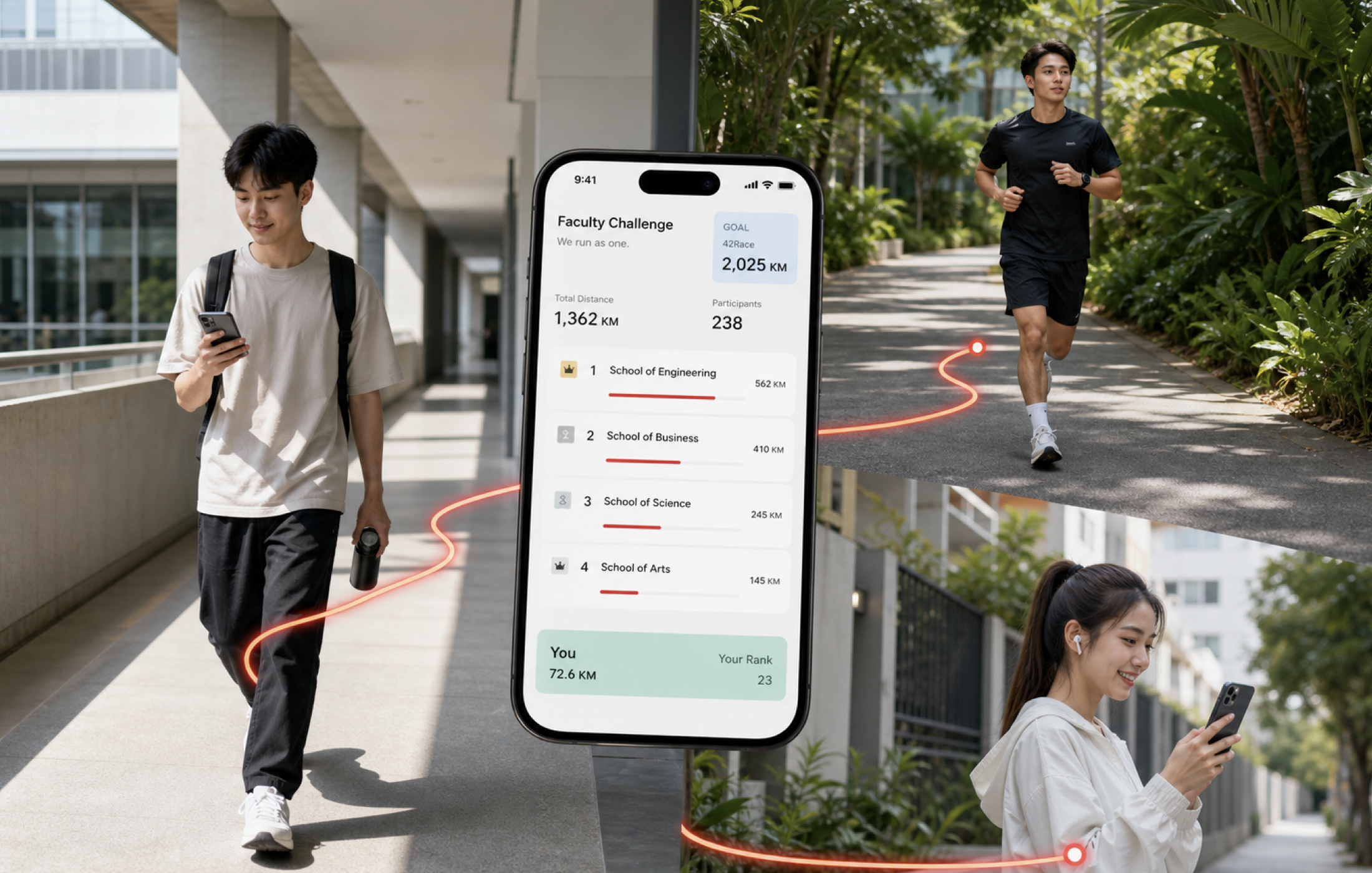
Virtual race offers a flexible, stress-free alternative to traditional running events by allowing participants to complete races at their own pace, on their own schedule.
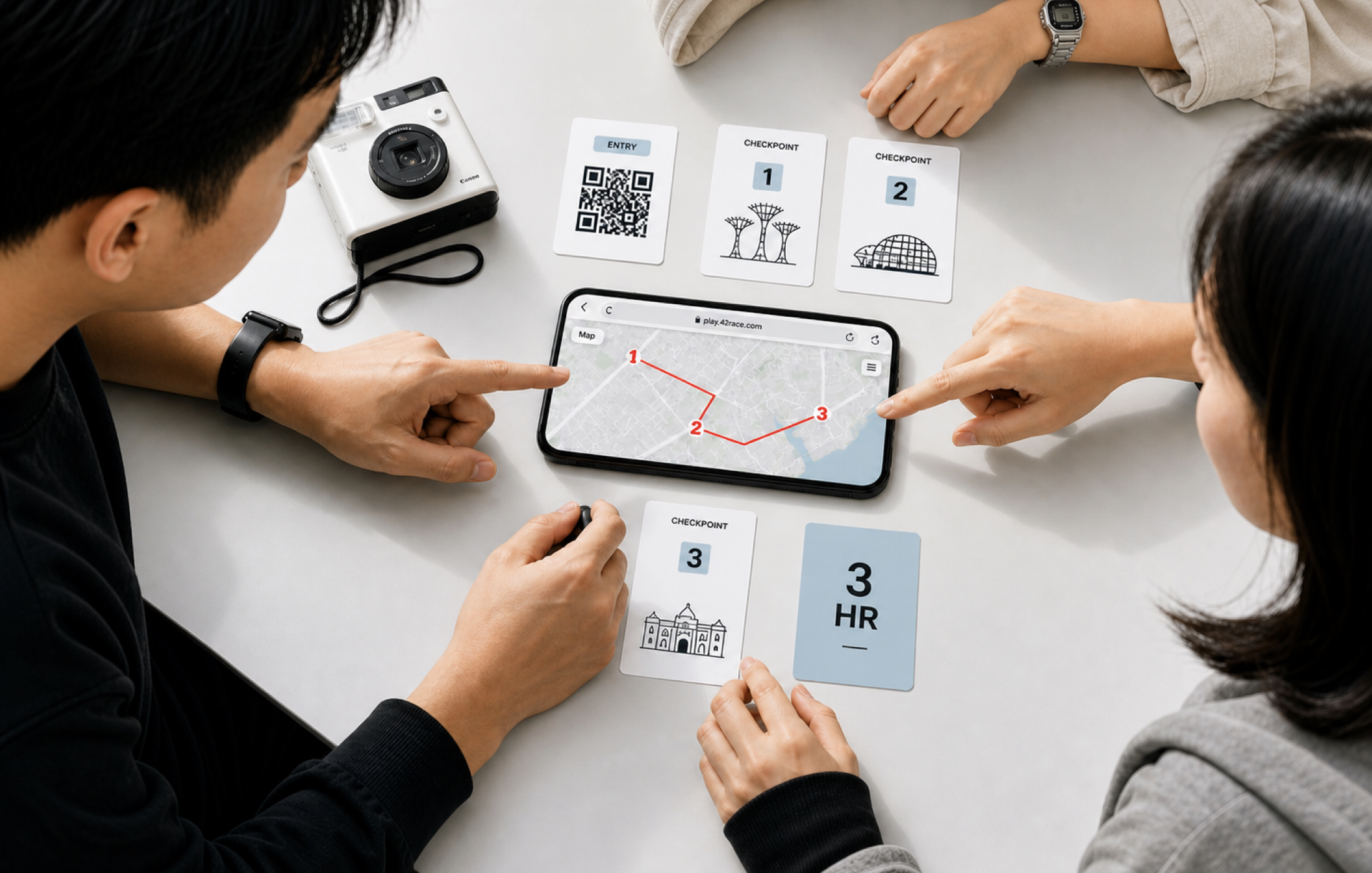
Practical, operational guide to designing an Amazing Race-style event for corporate teams: goals, format choices, logistics and inclusion.