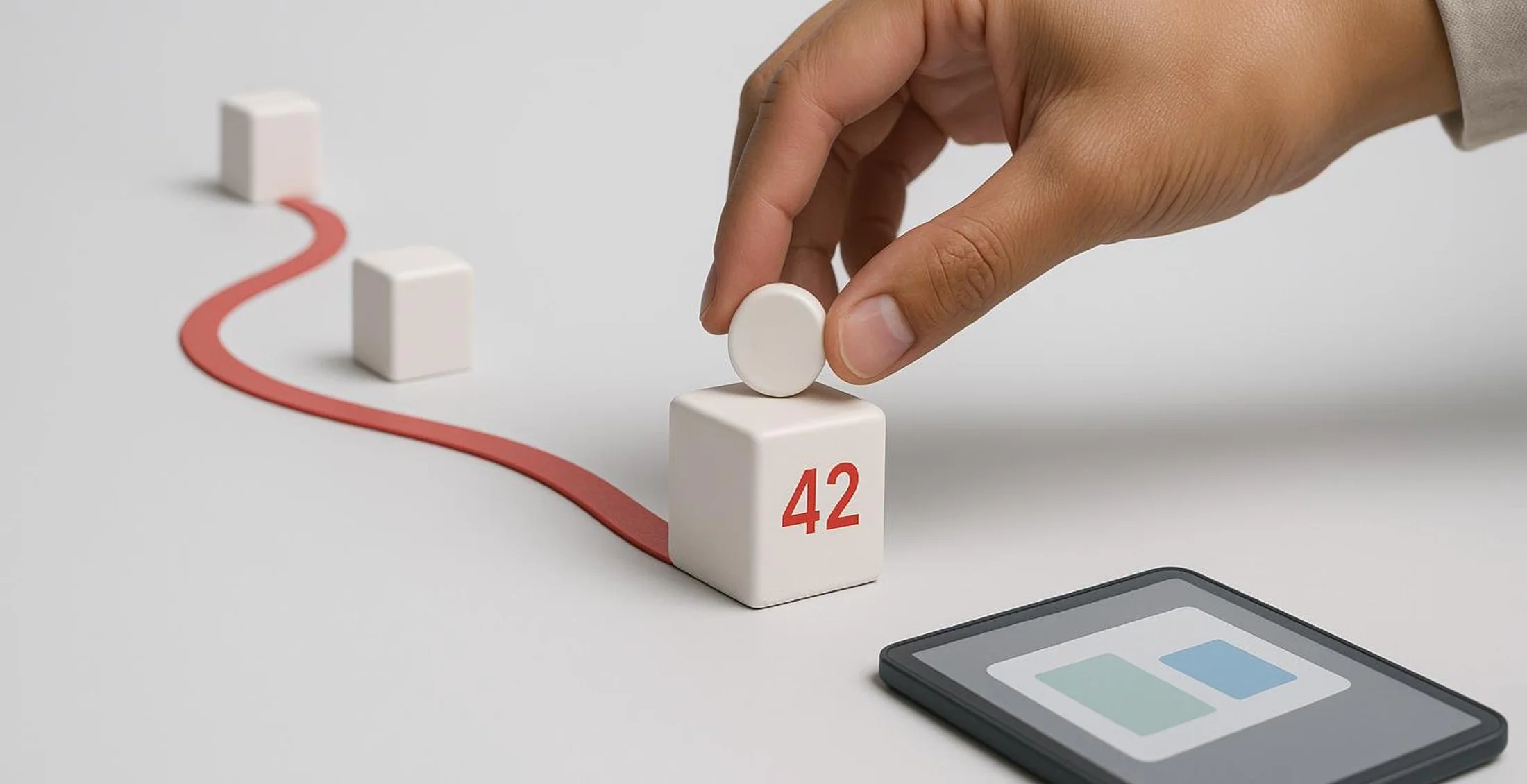
Organisers often reach for points and leaderboards as a quick fix for low participation. The tension is real: gamification can increase motivation, but clumsy mechanics make an event feel forced or trivial. This guide helps you choose the right game tools for real-world events—corporate, community or fundraising—so the play supports the objective instead of distracting from it.
Start with the participant journey, not the scoreboard. Ask who you want to reach, what will motivate them and which behaviours matter: visiting partner booths, completing learning modules, fundraising, or simply finishing a route. Game mechanics must map to those behaviours. Points are only useful when they track something meaningful and are easy to earn and verify.
Core mechanics and how to use them
Points: Use points to reward the behaviours that align with your goal. Keep the system simple—one or two ways to earn points prevents confusion. Avoid tiny incremental actions that create grind without satisfaction.
Challenges: Design discrete, time-bounded tasks that vary in skill and effort. Mix low-friction tasks for casual participants with higher-difficulty missions for competitive teams. Challenges are also where brand storytelling and learning can sit neatly inside play.
Leaderboards: Visible rankings work for competitive groups but can demotivate quieter participants. Consider segmented leaderboards (by office, team size or ability band) and time-limited sprint leaderboards to keep activity fresh.
Rewards and progression: Offer both instant rewards (badges, small perks) and milestone incentives (larger prizes or recognition). Progression—clear stages that show improvement—keeps people coming back. Ensure rewards are desirable and proportionate to the effort required.
Why adding points alone fails
Points without purpose feel arbitrary. If participants cannot see what points mean or how they translate to meaningful outcomes, activity drops off. Equally, opaque verification (manual checks, complex QR flows) creates friction—participants quit before completion. Design transparent, reliable ways to verify actions at scale.
Practical formats for event types
Corporate away-days: Use role-specific challenges so different job types can contribute. For example, a short creative task rewards diverse skills and stops extroverts dominating every activity.
Fundraising events: Turn fundraising milestones into progression tiers with public progress trackers and social unlocks—peer recognition drives donations more than isolated appeals.
Community activations: Use digital checkpoints and lightweight photo missions to encourage exploration and partner discovery without requiring shop permissions or intrusive asks.
Operational checklist
The tricky trade-offs
Stronger competition ups engagement for some but raises the risk of drop-out for others. Heavy verification reduces fraud yet adds friction. The right balance depends on your audience and objective: prioritise inclusion for broad participation goals and competition for high-intensity team challenges.
If you start with the behaviour you want to encourage and design simple, transparent mechanics around it, gamification becomes practical rather than performative. That’s when points and leaderboards stop feeling forced and start doing the work you hired them for.
Start with the event objective and list the actions that directly support it—for example, visiting a partner booth, completing a safety module, or raising donations. Prioritise behaviours that are simple to verify and have a clear benefit to your goals.
Use QR-code scans, short timestamped photo uploads, or one-click confirmations inside your event app. Avoid complex manual checks; if verification feels like a chore, participation will fall.
Yes. Use segmented leaderboards (by office, team size, or beginner/intermediate/advanced bands) and short sprint leaderboards so more people can see achievable wins and momentum.
We can build a short, practical gamification plan that maps behaviours to mechanics and checks.
BOOK A DEMO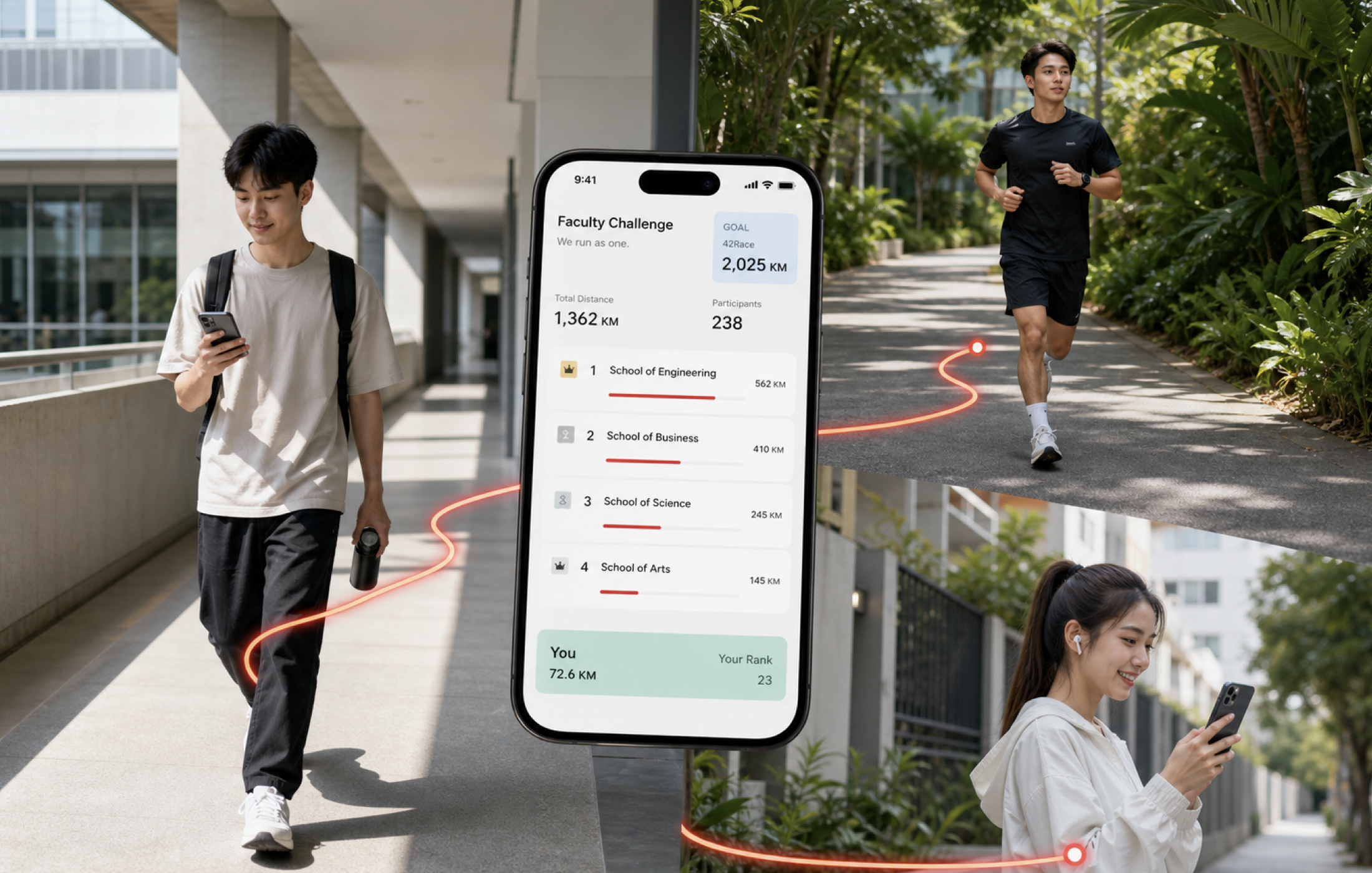
Virtual race offers a flexible, stress-free alternative to traditional running events by allowing participants to complete races at their own pace, on their own schedule.
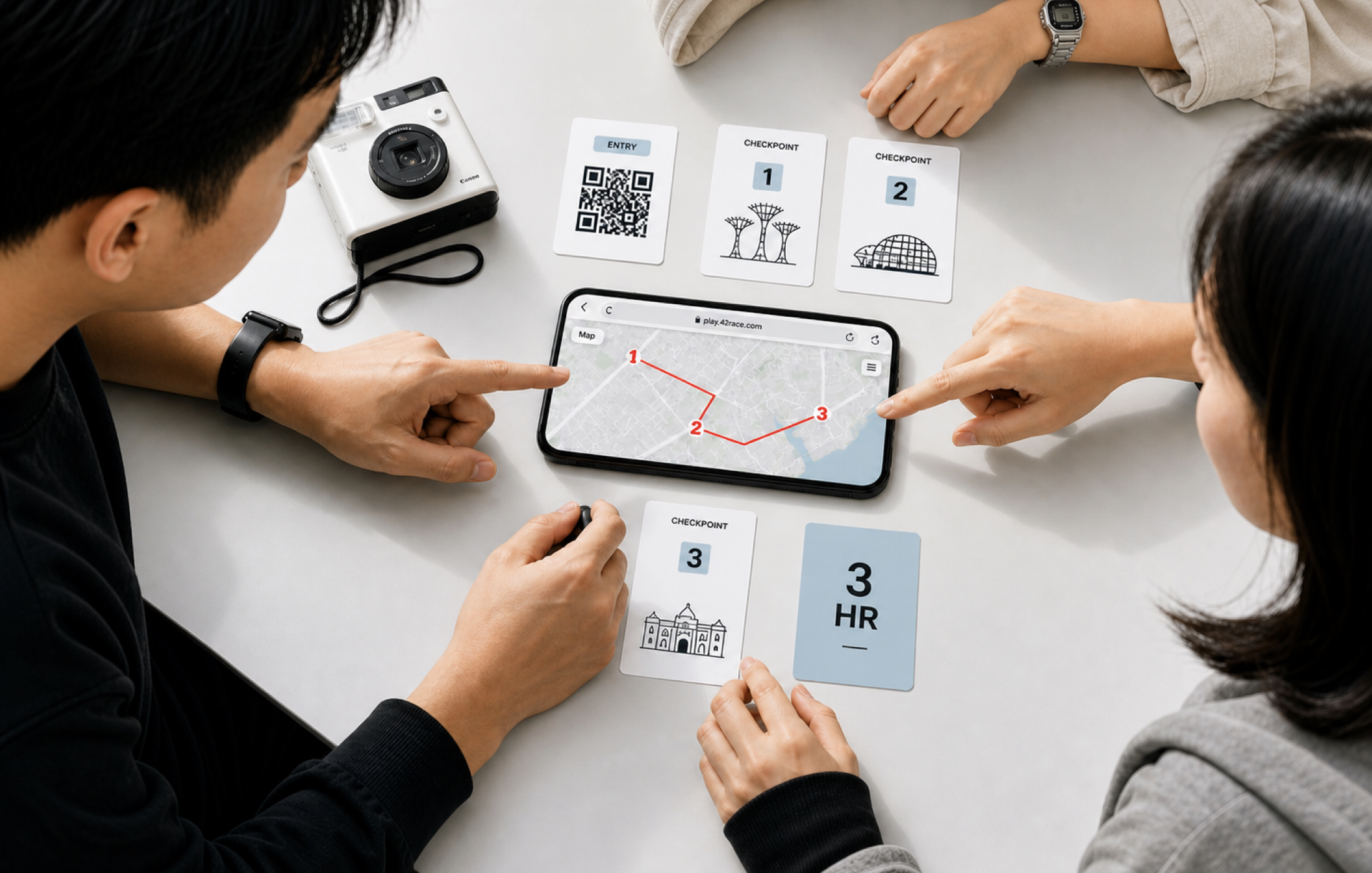
Practical, operational guide to designing an Amazing Race-style event for corporate teams: goals, format choices, logistics and inclusion.