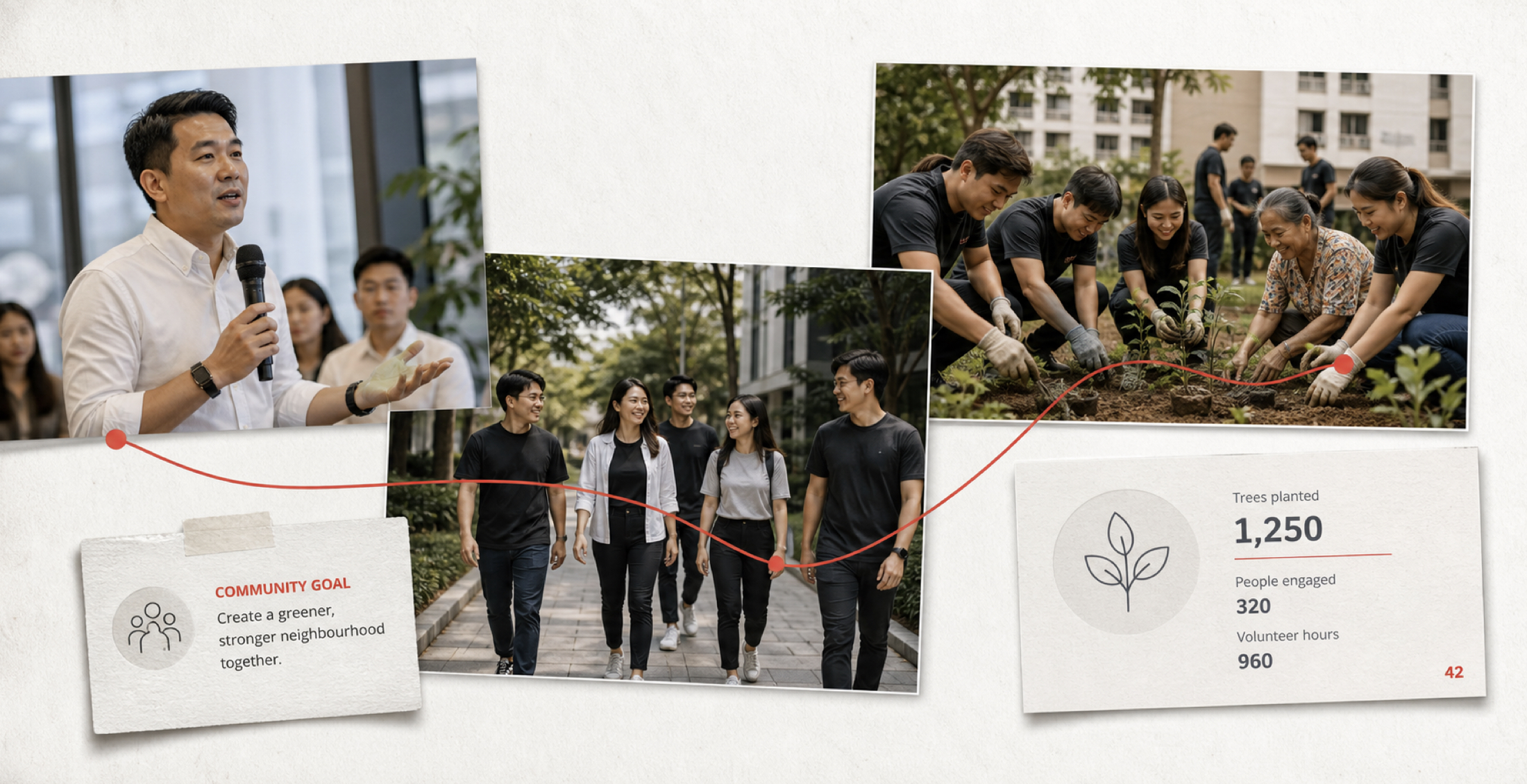
Imagine an employee opening a CSR campaign invitation during lunch. The cause sounds worthwhile. There is an activity target, a leaderboard and a promise that reaching the goal will unlock a donation.
Before joining, however, one quieter question sits underneath everything else: what has the company committed?
That is the moment many campaigns underestimate. Participation mechanics can attract attention, but attention is not belief. Employees are more likely to join when the organisation has already taken a position and invites them to carry it further.
Participation should amplify commitment. It should not replace it.
When a donation depends entirely on employees reaching a target, the cause can begin to feel conditional. The organisation is asking employees to demonstrate commitment before making its own commitment visible.
We would usually start with a guaranteed contribution: funding, volunteer time, resources or another form of support suited to the cause. The amount matters, but the signal matters too. The organisation has chosen to act; employees are being invited to take that action further.
If this programme is on your approval agenda next week, settle the commitment before the conversation turns to challenge formats or rewards. Once that is clear, the rest of the campaign becomes easier to design.
Committing first does not reduce the value of employee participation. It gives participation somewhere meaningful to go.
An organisation might make an initial donation, then let collective activity unlock additional funding, resources or volunteer support. Employees are not being asked to earn the cause its support. They are helping an existing commitment grow.
One pattern we see in participation design is that collective progress often serves a CSR campaign better than an individual race. Leaderboards create movement. Shared milestones create a sense of contribution. They answer the question that matters here: what can we make possible together?
The activity should make sense alongside the cause. Movement can feel natural in a campaign about mobility. For a community partnership, volunteering or learning about the issue may carry more meaning than accumulating points. The test is simple: can participants explain why this activity belongs in this campaign?
Even a well-designed commitment can lose meaning when participants cannot see what their actions achieved.
A familiar pattern is the energetic launch followed by weeks of functional reminders: log your activity, check your progress, keep going. Participants hear what to do, but very little about what their effort is making possible.
This is where visible progress earns its place. Each update should connect three things: what the organisation committed, what employees have unlocked together and what happens next. A milestone is not just a number changing on a screen. It is evidence that the group moved the story forward.
Give the campaign a proper ending. Confirm what was contributed, show whether the shared commitment was fulfilled and recognise the part employees played. The final update is not campaign administration. It is the moment participation becomes a story worth remembering.
Before approving the engagement mechanics, ask three questions:
If those answers are clear, the technology, milestones and communications can support a credible participation journey. If they are unclear, more prizes or features will not create belief.
Start with the commitment. Then design an experience that helps employees carry it further.
Choose a contribution that is credible for the organisation and useful to the cause. The important point is that employees can see the organisation has committed before asking them to extend that impact.
A leaderboard can add energy, but it should not become the purpose of the campaign. When shared impact matters most, collective milestones often create a stronger sense of contribution.
Show what the organisation promised, what employees unlocked together, what was ultimately contributed and what happens next. A clear final update turns participation into a completed story.
Ready to plan your next CSR campaign?
42Race can help shape it into an experience people will understand, believe in and want to join.
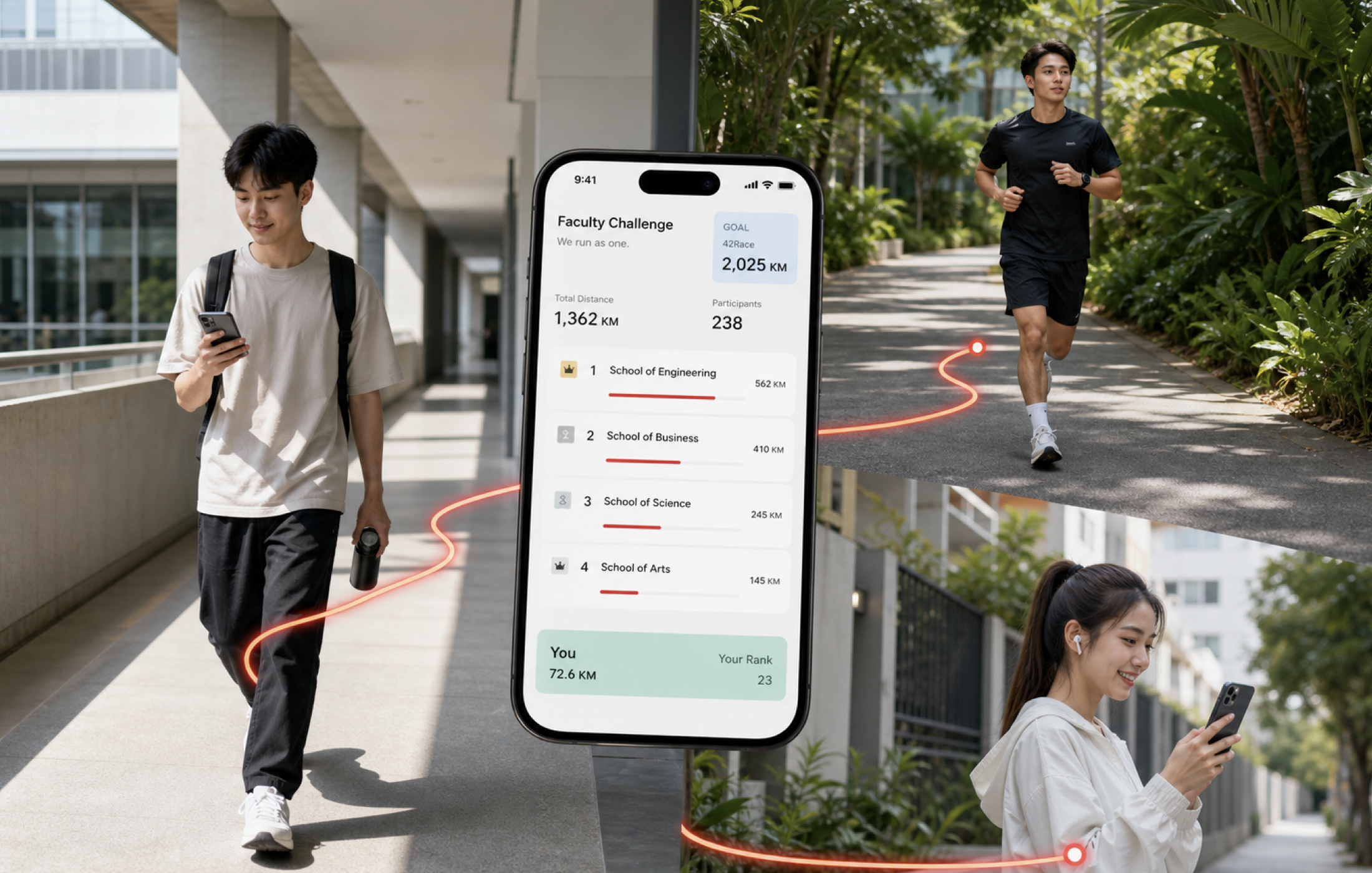
Virtual race offers a flexible, stress-free alternative to traditional running events by allowing participants to complete races at their own pace, on their own schedule.
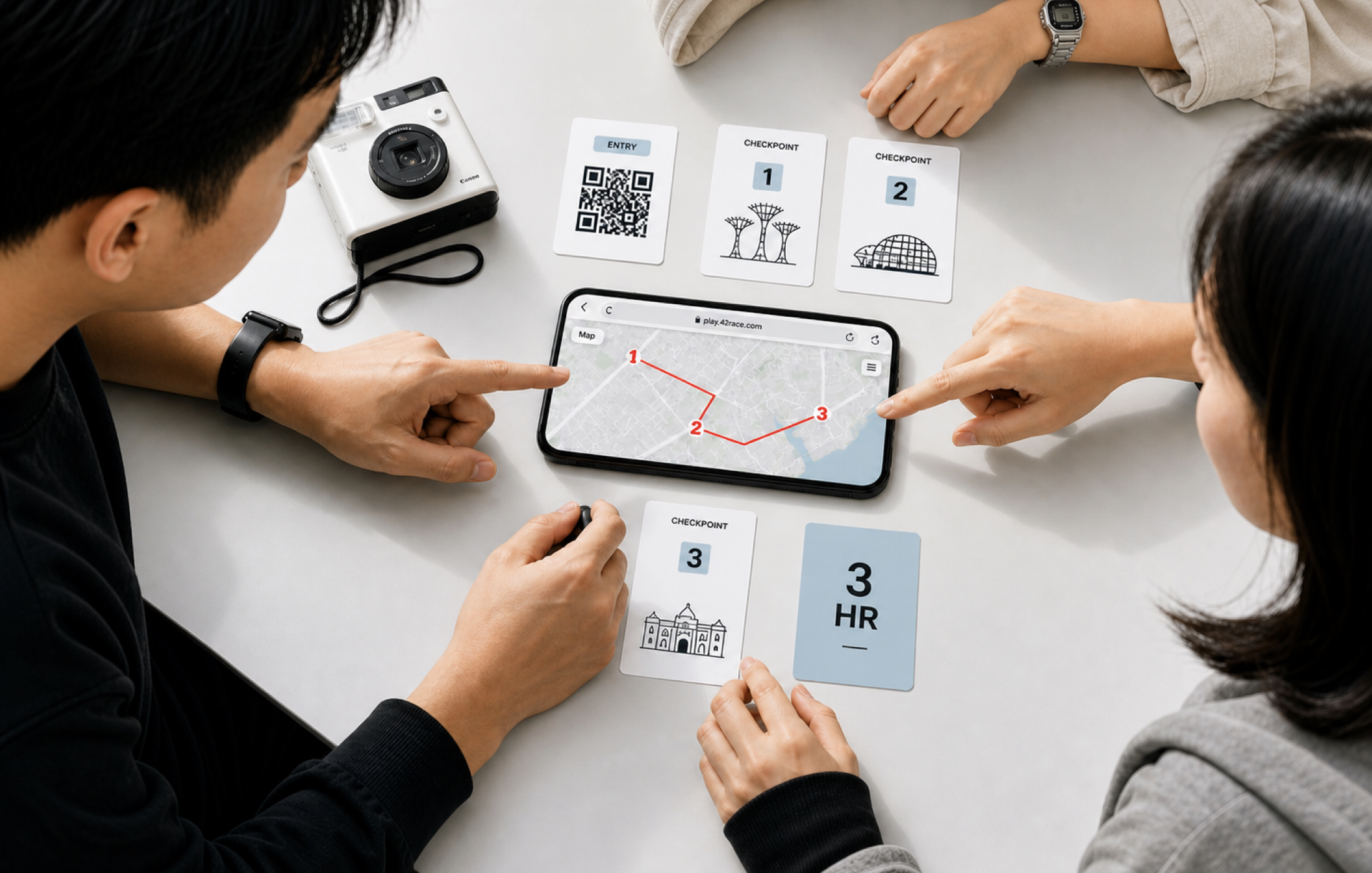
Practical, operational guide to designing an Amazing Race-style event for corporate teams: goals, format choices, logistics and inclusion.