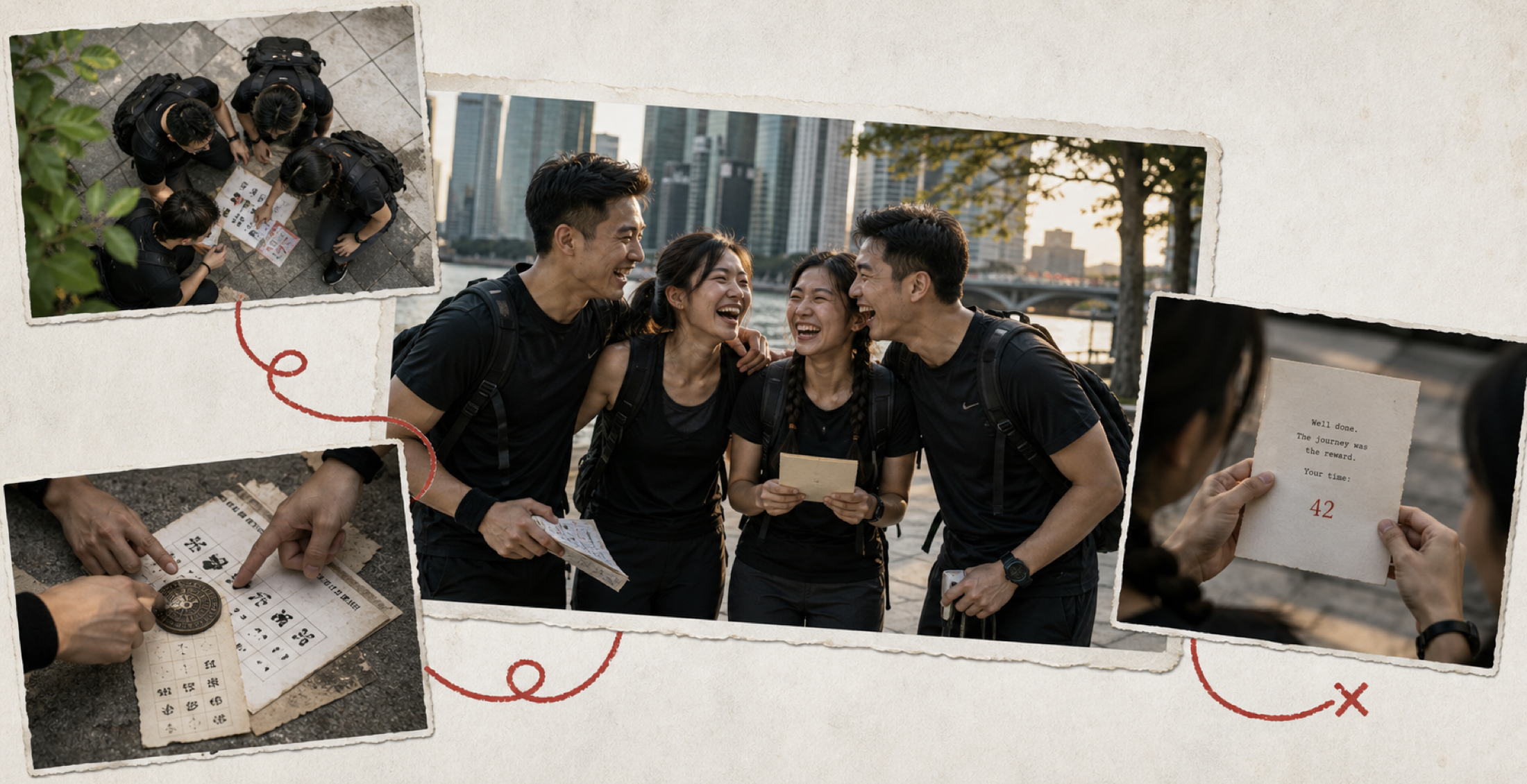
Picture a team reaching a checkpoint convinced that its fastest puzzle solver will take over. Instead, the clue depends on a detail noticed by the quietest person in the group. They make the connection, the story suddenly opens up and the whole team erupts.
Months later, nobody remembers how many points that checkpoint was worth. They remember who spotted the clue, how the group reacted and what happened next.
That distinction shapes how we design Amazing Races at 42Race. Completing tasks creates a result. Experiencing something together creates a memory.
People remember moments, not puzzles.
We have seen almost identical challenge mechanics produce very different reactions. The difference is often not the technology or difficulty. It is whether participants understand why the task matters.
“Scan this code and answer a question” is an instruction. “Recover the missing message before the next location is compromised” gives the team a role. The physical action may be similar, but the second version places participants inside a developing situation.
A strong story does not need elaborate characters or theatrical production. It needs a clear purpose, stakes the team can understand and a reason their actions matter. Participants should feel that they are investigating, rescuing, discovering or deciding—not simply moving through a checklist.
When reviewing a checkpoint, remove the instructions for a moment and ask: could the team explain why they are doing this within the story? If not, the task may function perfectly and still feel forgettable.
The race is the plot. The team is the protagonist.
Organisers often begin by asking for a good mix of trivia, photographs, physical activities and riddles. Variety helps, but variety alone does not create an experience.
What matters is how the team feels as the race unfolds. An opening checkpoint might create curiosity. A later decision introduces urgency. A surprising reveal changes what the group believes. A final challenge lets them act with the confidence they have built together.
Not every checkpoint needs to be harder or more dramatic than the last. Constant escalation becomes tiring. Contrast is more useful: concentration followed by laughter, uncertainty followed by discovery, individual contribution followed by a shared decision.
This is where digital design works best when it disappears into the background. The platform can reveal information, respond to choices and connect locations, but participants should be talking about what the story made them do—not which button they pressed.
A useful test is whether each checkpoint changes the team’s emotional state, not only its score.
The hardest puzzle is rarely guaranteed to become the strongest memory. More often, teams retell the moment an unexpected person stepped forward, a decision divided the group or an ordinary location suddenly became part of the story.
Those moments cannot be scripted down to the participant’s reaction, but the conditions can be designed. Give different strengths a chance to matter. Let a choice carry a visible consequence. Build towards a reveal that changes the meaning of something teams encountered earlier.
Then give the race a real ending. A score announcement closes a competition; a resolution closes a story. Participants should understand what they achieved together and why the journey mattered.
If you are approving an Amazing Race, design backwards from the conversation you want teams to have on Monday. What happened? Who surprised everyone? When did the story become real?
If the answers are clear, you are no longer designing a route people will complete. You are creating an experience they will carry away.
No. A strong narrative can come from a real organisational purpose, a location, a community or a shared mission. What matters is that participants understand why the journey exists and why their actions matter.
A good checkpoint advances the story, changes how the team feels or creates space for someone to contribute. Difficulty and novelty are useful only when they support that experience.
Technology should make joining, navigating and responding feel effortless. Its role is to reveal the experience at the right moments without becoming the experience participants remember.
Ready to create an Amazing Race your teams will still talk about afterwards?
42Race can help shape the story, moments and digital experience that make it worth remembering.
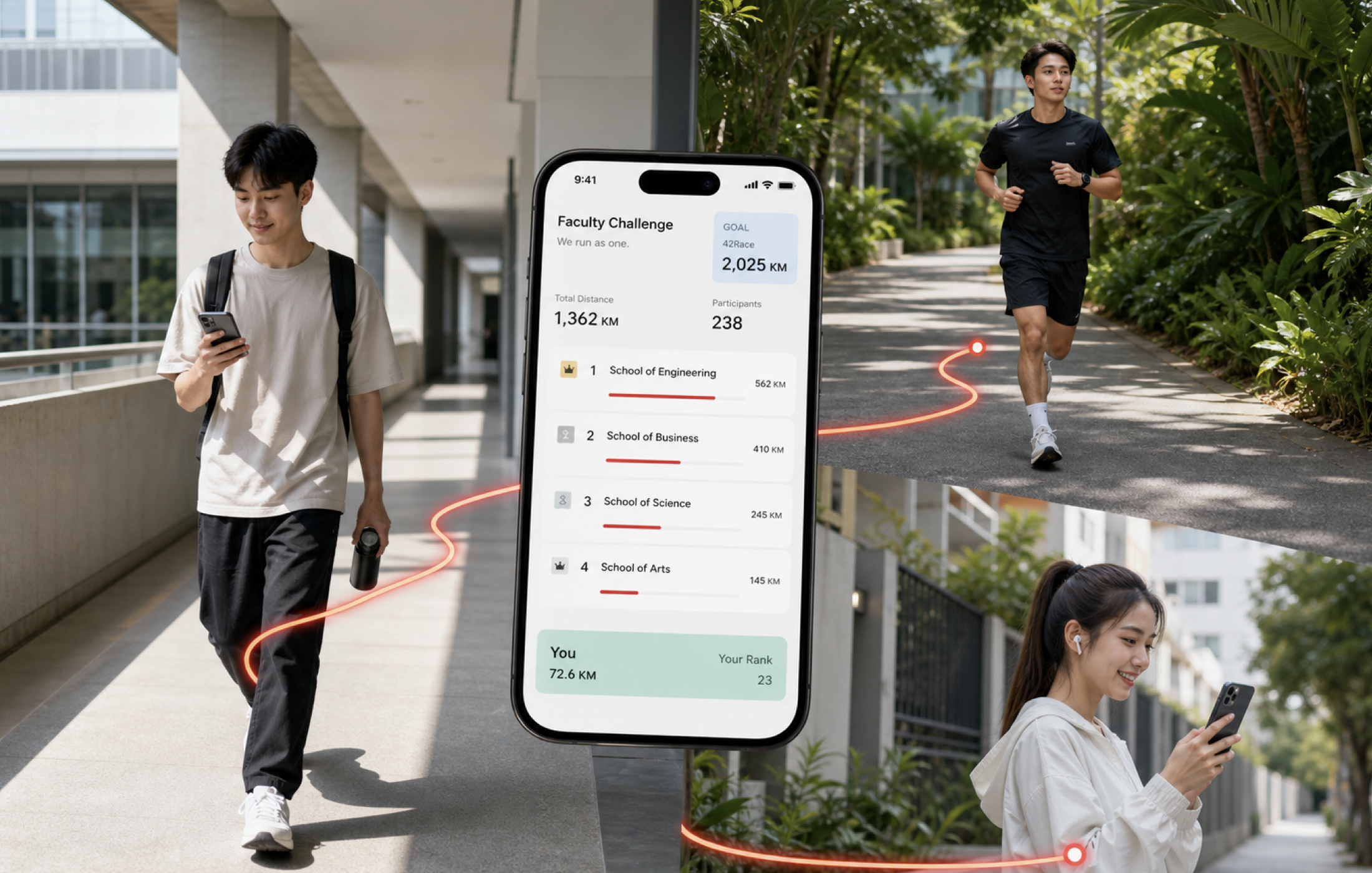
Virtual race offers a flexible, stress-free alternative to traditional running events by allowing participants to complete races at their own pace, on their own schedule.
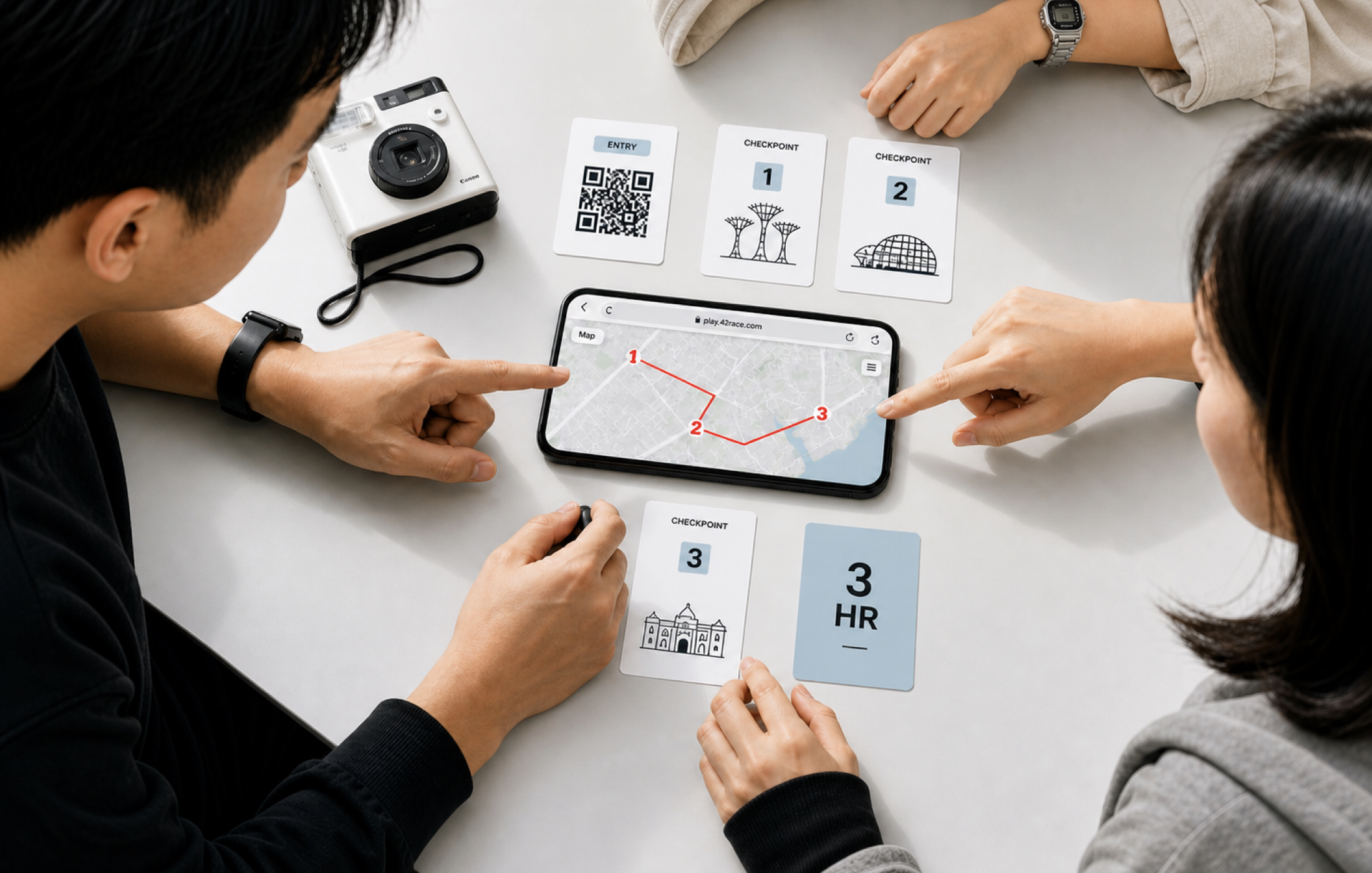
Practical, operational guide to designing an Amazing Race-style event for corporate teams: goals, format choices, logistics and inclusion.