
You booked the route, hired the props and gave every team a branded map. But at the event, teams move through staged tasks with polite smiles and minimal buy-in. The real problem isn’t the theme or the props — it’s design choices that betray the participant’s agency and ignore operations. This article helps the HR or events lead decide which design trade-offs create that “forced” feeling and how to fix them.
Pick one simple guiding constraint: choice, skill variety or storytelling. Each leads to a different operational plan.
Choice-led: let teams choose checkpoints or the order of missions. Operationally this needs clear scoring and a fast way to confirm task completion (photo proof or QR-triggered microforms). Choice reduces suspicion that organisers control outcomes and makes teams responsible for strategy.
Skill-variety: include puzzle, physical, creative and social missions so every team member can contribute. That means checkpoint kits must be compact and easy to reset, and volunteers briefed to support rather than judge attempts.
Story-driven: use a believable narrative that rewards curiosity. Keep scenes small and mobile rather than building big theatrical sets; narratives should be discovered, not presented.
If your objective is team bonding and inclusion, prioritise skill variety and brief choice moments over complex theatrical sets. If the goal is brand exposure, accept some scripted moments but protect agency by offering parallel optional missions. The tricky part is staffing: more choice and variety means clearer volunteer roles and slightly higher logistics, which is usually worth the payoff in participant engagement.
If you worry your race will feel forced, ask: would a simple alternative let a quiet team member lead the win? If yes, rework one checkpoint to foreground that possibility.
Run a small pilot with representatives from different teams and observe how they approach the task without detailed instructions. Ask whether participants felt they had real choices and whether quieter team members could contribute; use that feedback to simplify or diversify the mission.
Use short photo or video submissions, QR-linked microforms, or simple stamps depending on the mission. The key is fast verification: avoid multi-stage checks that create queues or require long judging periods.
Brief volunteers to act as facilitators who keep flow and validate outcomes rather than performers or judges. Give them clear scripts for resets, guidance on neutrality, and parameters for when to help teams versus stepping back.
We can review your route and suggest practical swaps that restore participant choice and reduce queues.
BOOK A DEMO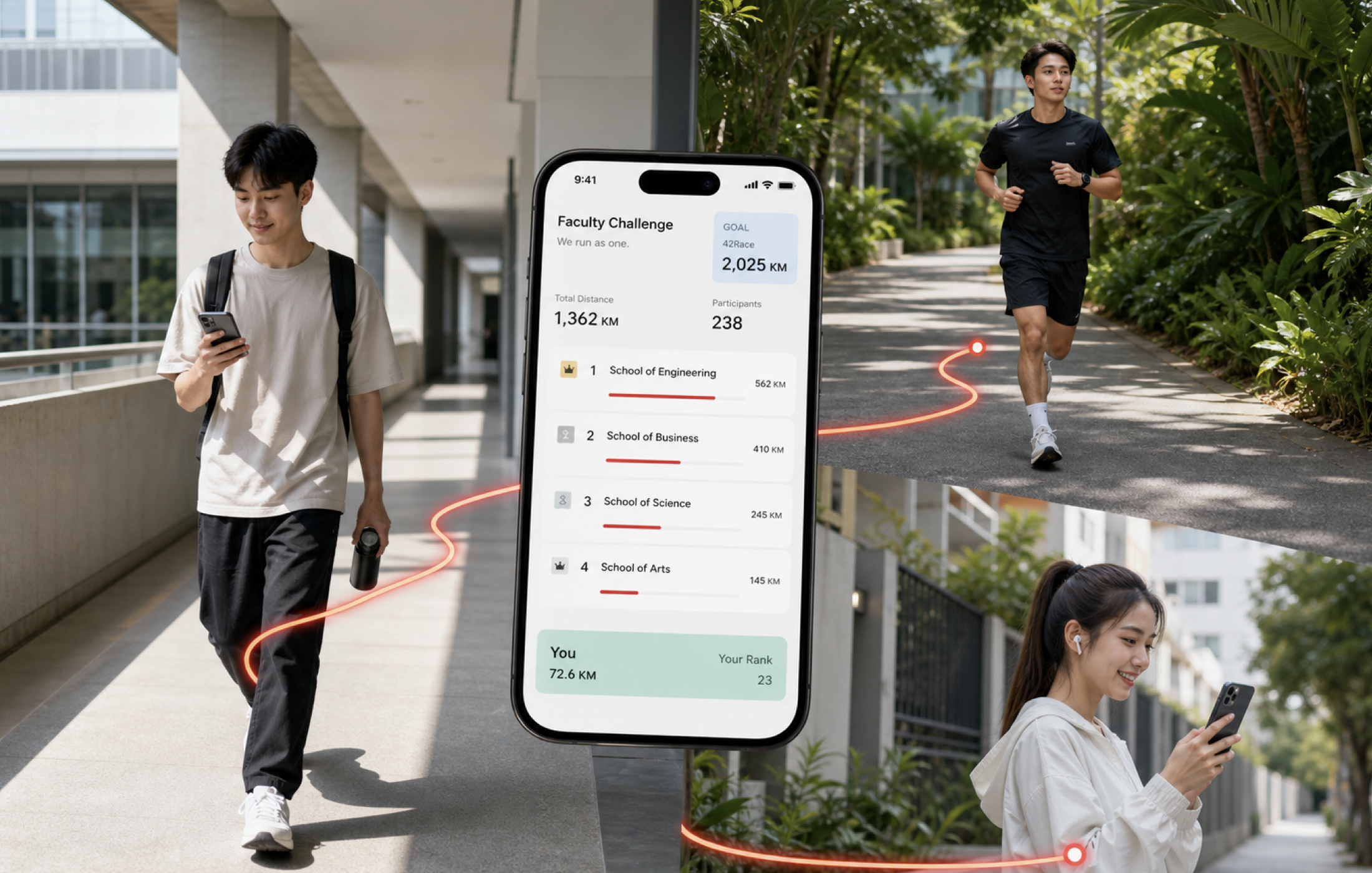
Virtual race offers a flexible, stress-free alternative to traditional running events by allowing participants to complete races at their own pace, on their own schedule.
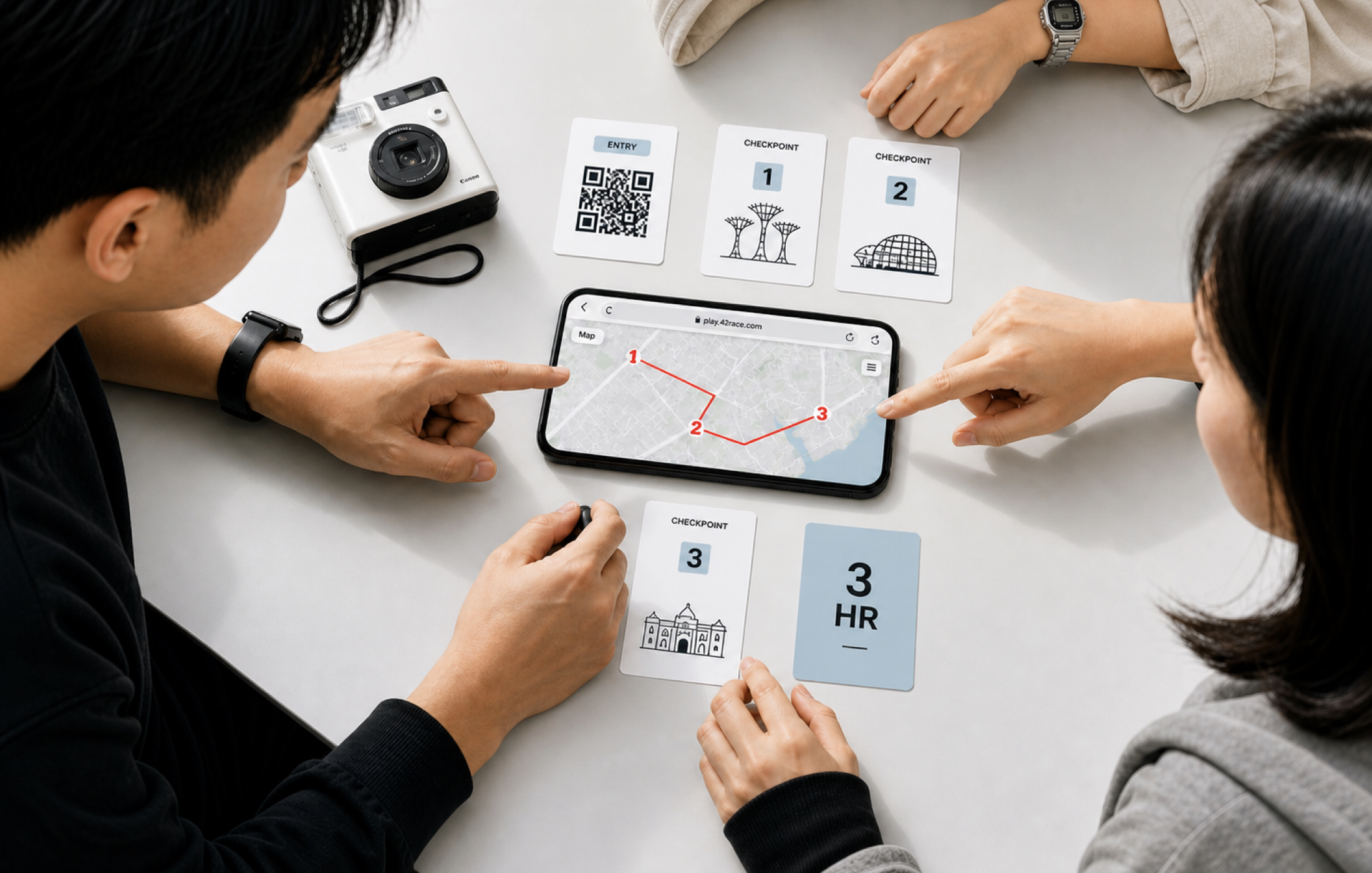
Practical, operational guide to designing an Amazing Race-style event for corporate teams: goals, format choices, logistics and inclusion.