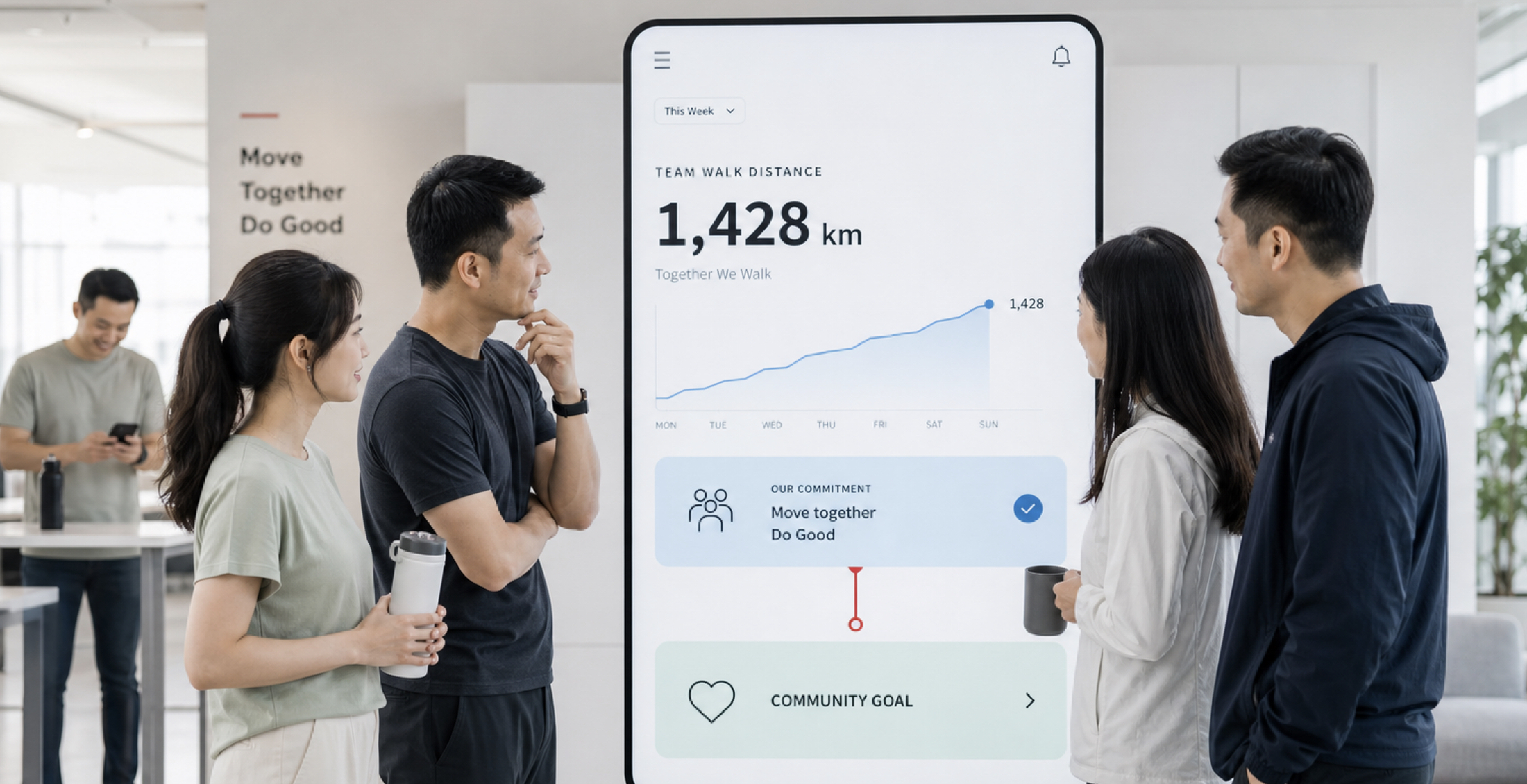
Most workplace step challenges are designed around the employees who need them least.
The leaderboard fills quickly with runners, weekend hikers and people who already track every kilometre. Meanwhile, the employees HR hoped to encourage are still working out how to register, whether their phone is compatible and who will see their data.
People rarely stop walking. They stop participating.
A workplace step challenge is an organised programme that tracks walking or equivalent activity. But counting steps is the easy part. The real work is designing an experience that a broad range of employees can start, trust and keep using.
The easiest trap is treating step-counting as the intervention rather than the entry point.
If registration is confusing, devices are incompatible or targets feel impossible, people rarely complain. Older employees, shift workers and those without wearables simply do not complete it.
Manual submission creates another task employees must remember. 42Race's Daily Steps Connect app removes that step by syncing activity automatically from participants' phones. The outcome matters: fewer reasons to give up between deciding to join and actually taking part.
When participation drops, the instinctive response is often a larger prize. But most organisations have a participation story problem: employees cannot see why joining matters or where they fit.
Cash rewards and public leaderboards can produce an early spike, but absolute rankings favour people who were already active. Employees starting from a lower baseline soon realise they are competing in a contest they cannot win.
Larger rewards do not solve awkward app permissions, unclear rules or uncertainty about privacy. Fix those barriers first. Make tracking straightforward, explain how data will be used and recognise participation, improvement or consistency rather than only the highest totals.
First, decide whether the challenge prioritises competition or inclusion. Team formats, tiered targets and improvement-based scoring give beginners a credible reason to participate without removing competition for employees who enjoy it.
This matters in Singapore workplaces where desk-based employees and shift workers may begin with very different movement patterns. One universal target can look fair while producing a predictably uneven contest. A team average or consistency measure may better reflect genuine participation.
Second, balance measurement with privacy. Individual activity records can make a wellness initiative feel like surveillance. HR usually needs participation trends and team-level results, not a detailed view of each employee's daily movement. Consent, retention periods and reporting access should be clear before registration opens.
Third, choose between launch excitement and lasting momentum. A polished campaign may attract attention, but participation fades without attainable milestones and timely prompts. Small moments of progress and recognition give employees a reason to feel involved after the novelty disappears.
No scoring model is equally simple, fair and motivating. HR must choose its priorities deliberately.
Do not begin with the prize. Begin with the person most likely to opt out.
Can they register without assistance? Does the scoring give them a credible chance to contribute? Do they understand what data is collected? If job roles create large differences in baseline activity, would a team or improvement-based target be fairer?
A workplace step challenge is worth launching when its design fits the workforce, not merely because steps are easy to measure.
Look for broad device compatibility, straightforward onboarding, clear privacy practices, aggregate reporting and participation formats suitable for different activity levels.
Consider tiered goals, team results, consistency or improvement rather than relying only on absolute totals.
It can encourage short-term movement, but lasting habits usually require continued support, attainable activities and a workplace environment that makes participation easy.
Ready to start a step challenge? We can help.
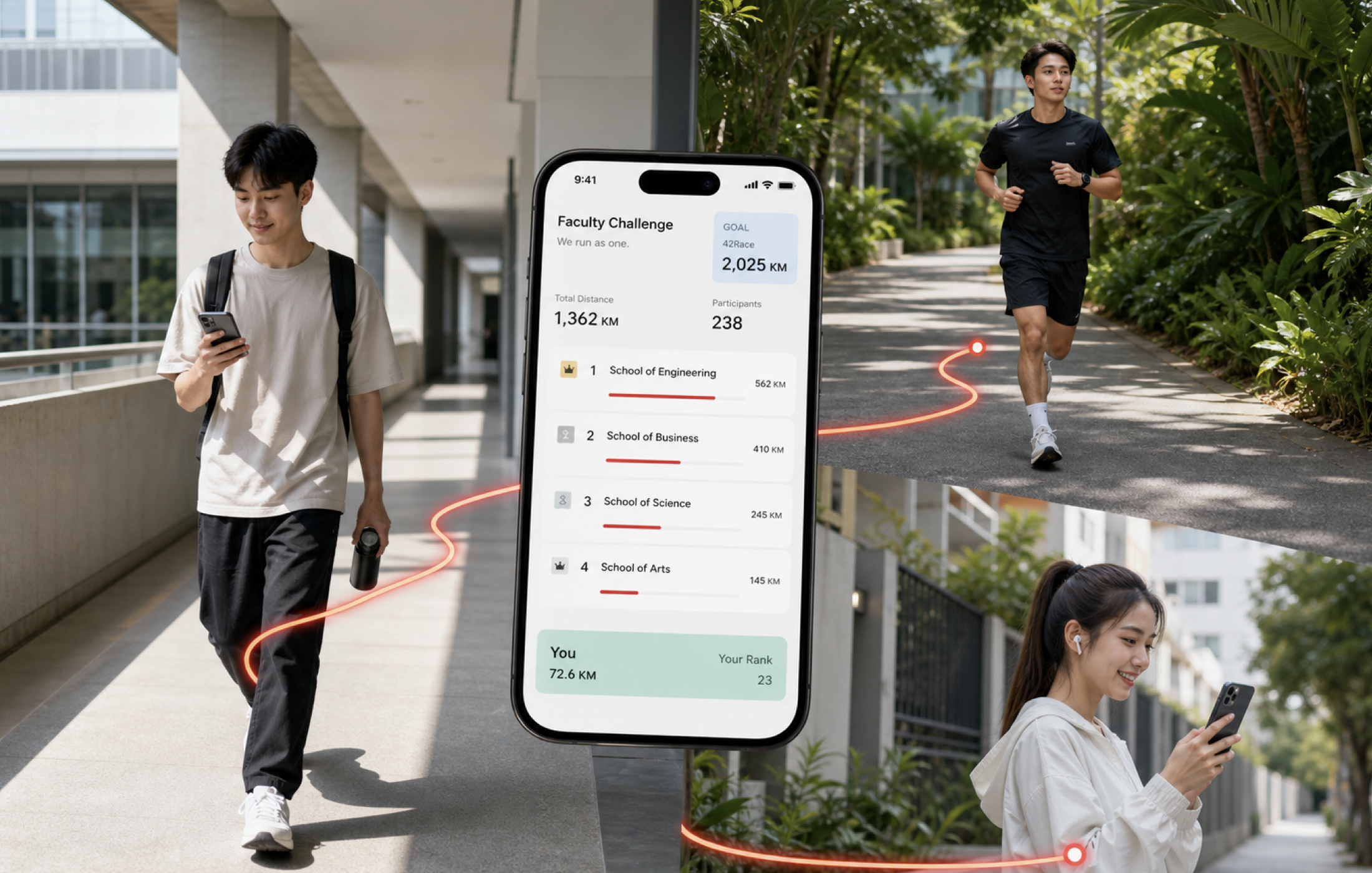
Virtual race offers a flexible, stress-free alternative to traditional running events by allowing participants to complete races at their own pace, on their own schedule.
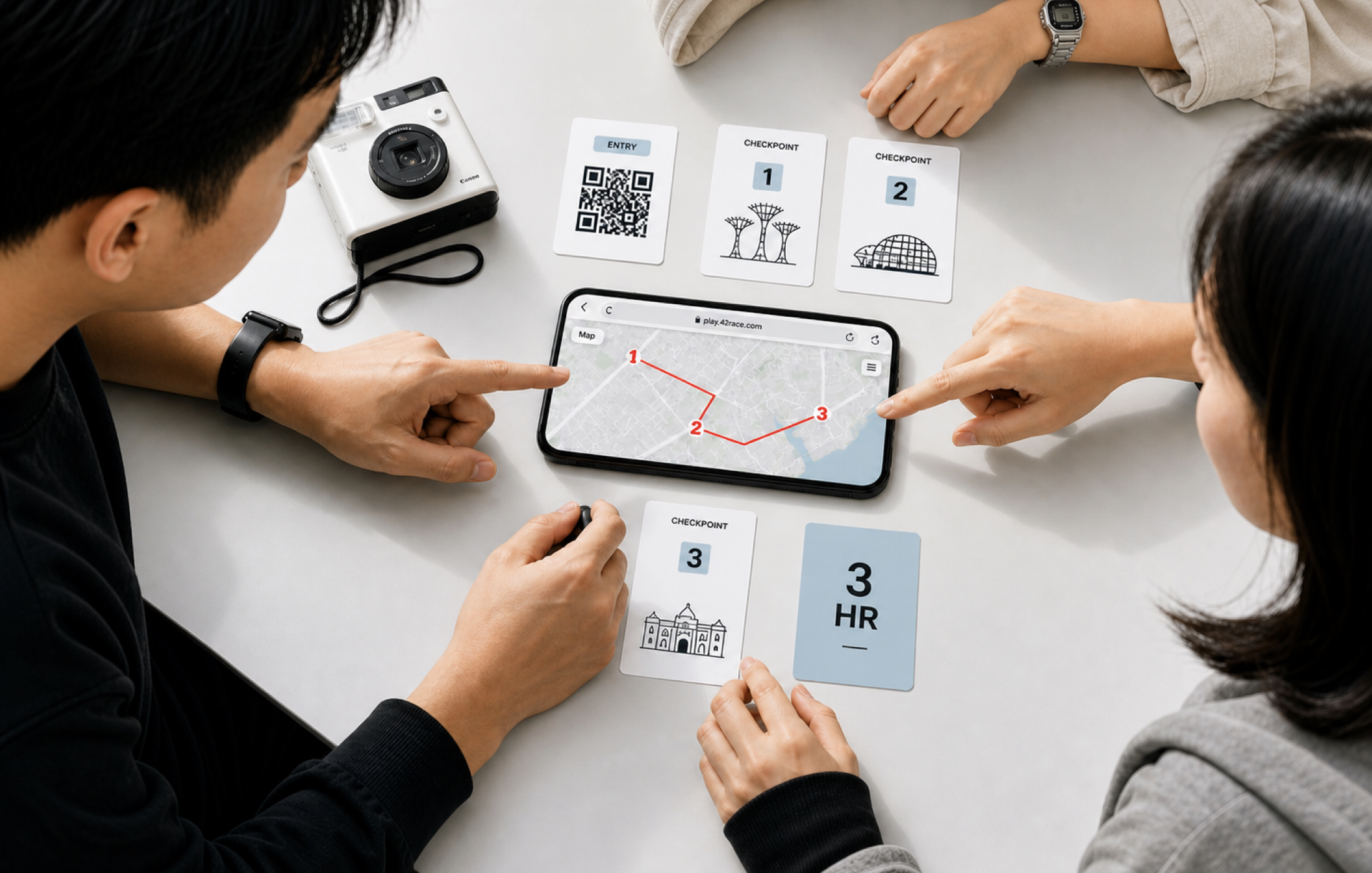
Practical, operational guide to designing an Amazing Race-style event for corporate teams: goals, format choices, logistics and inclusion.